
U.N. nuclear chief says Iran inspections will proceed under interim deal
Rafael Grossi said an interim U.S.-Iran accord requires IAEA oversight of nuclear material facilities despite public disagreement over access.
By James Whitfield · Staff Writer
3 min read
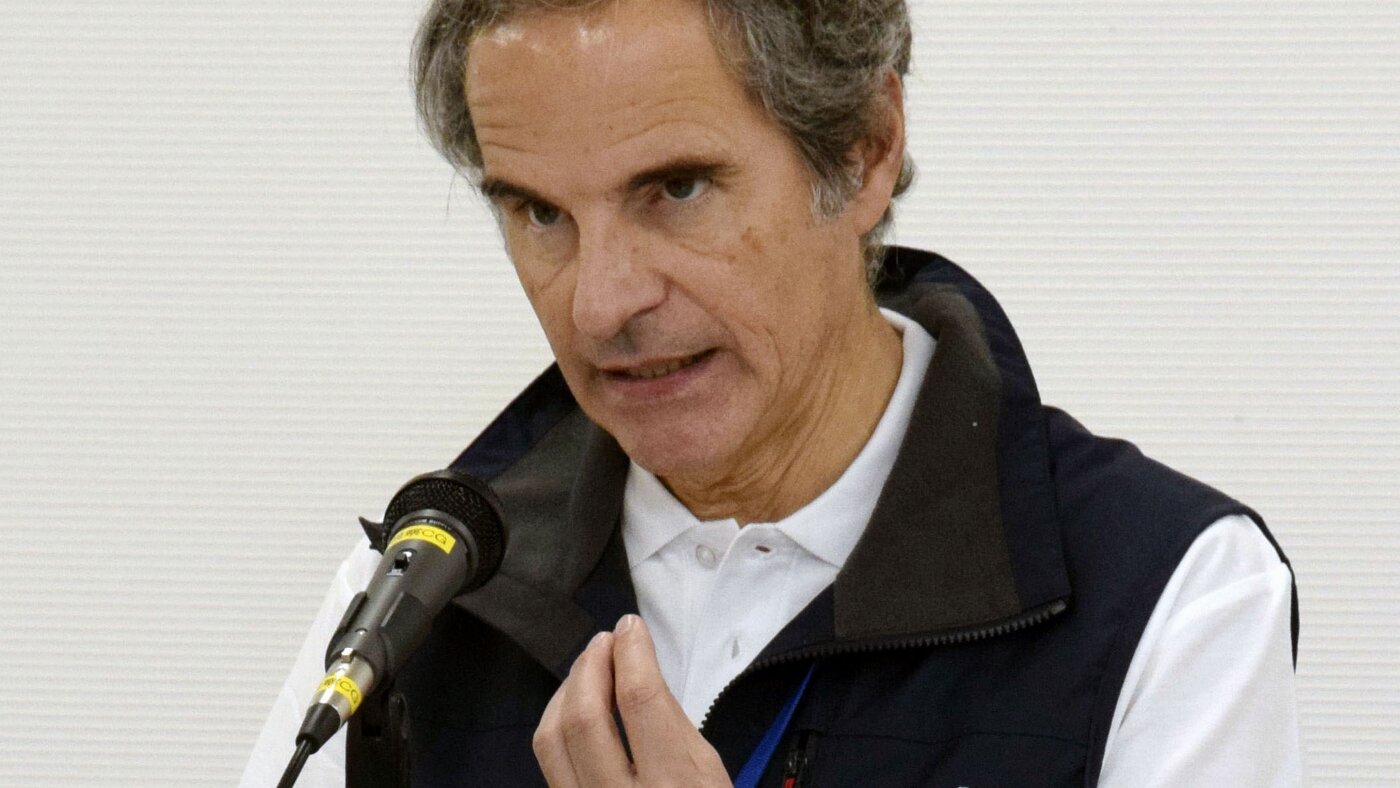
International Atomic Energy Agency inspectors are expected to visit Iranian enrichment sites under an interim U.S.-Iran agreement, IAEA Director General Rafael Mariano Grossi said Wednesday. The access matters because the agency says it cannot verify Iran’s enriched uranium stockpile without entering the sites at the center of the deal.
Grossi spoke at Japan’s Fukushima Daiichi nuclear power plant, according to The Associated Press, one day after Washington and Tehran gave conflicting accounts of whether inspectors would be allowed into facilities tied to Iran’s nuclear program. He described the dispute as a current “war of words” while pointing to the written terms of the memorandum signed by the two countries’ presidents.
According to Grossi, the agreement states that IAEA personnel will supervise nuclear activities involving nuclear material facilities. He said that supervision would require inspections, though the timing could come within days or longer.
Access remains the central issue
The IAEA has not been allowed by Tehran to inspect Iran’s enrichment sites since Israel launched a 12-day war against Iran in 2025, the AP reported. Those sites are believed to hold enough highly enriched uranium to potentially produce as many as 10 nuclear weapons if Iran chose to pursue them, according to the AP.
Iran has long said its nuclear work is for peaceful purposes. The AP reported that Iran is the only country enriching uranium to 60% purity without having a declared nuclear weapons program.
The IAEA has been able to visit some other nuclear locations in Iran since the 2025 war, including the Bushehr nuclear power plant, according to the AP. Without access to enrichment facilities, the agency says it cannot confirm the condition of Iran’s uranium stockpile or examine centrifuge cascades used to enrich uranium.
Iran and the IAEA say Tehran has not been enriching uranium, the AP reported. Nonproliferation experts, however, have raised concerns that Iran may be relocating stockpiled material to undisclosed sites, according to the AP.
Tehran and Washington differ on inspections
Iran did not immediately respond to Grossi’s comments, according to the AP. On Tuesday, Iranian Foreign Ministry spokesperson Esmail Baghaei said U.N. inspectors were not scheduled to examine nuclear sites struck by the United States last year, rejecting remarks made earlier by U.S. Vice President JD Vance.
The interim arrangement announced last week calls for Iran to dilute its enriched uranium stockpile, according to the AP. It also waives U.S.-backed sanctions on Iranian oil and gives both governments 60 days to work on broader agreements.
The ceasefire tied to the diplomatic effort has already faced strain, the AP reported. Iran said it closed the strait again amid fighting between Israel and the Iranian-backed militia Hezbollah in Lebanon; violence resumed in Lebanon on Tuesday but did not widen, according to the AP.
Technical talks between U.S. and Iranian officials are expected to resume early next week at the Bürgenstock resort in Switzerland, Pakistan’s Foreign Ministry said Wednesday. Pakistan has acted as a mediator in the process, according to the AP.
Grossi’s remarks came as U.S. Secretary of State Marco Rubio began a three-country Persian Gulf trip, the State Department said. Rubio opened the tour in Abu Dhabi with Emirati President Mohamed bin Zayed Al Nahyan and was scheduled to continue to Kuwait and Bahrain for meetings with their leaders.
This story draws on original reporting from NPR.