
Ukraine strikes leave Crimea short of fuel and power
Ukrainian officials say attacks on fuel routes and power sites have strained Crimea, while Russian-installed authorities warned supplies may remain disrupted.
By Daniel Okafor · Business Editor
3 min read
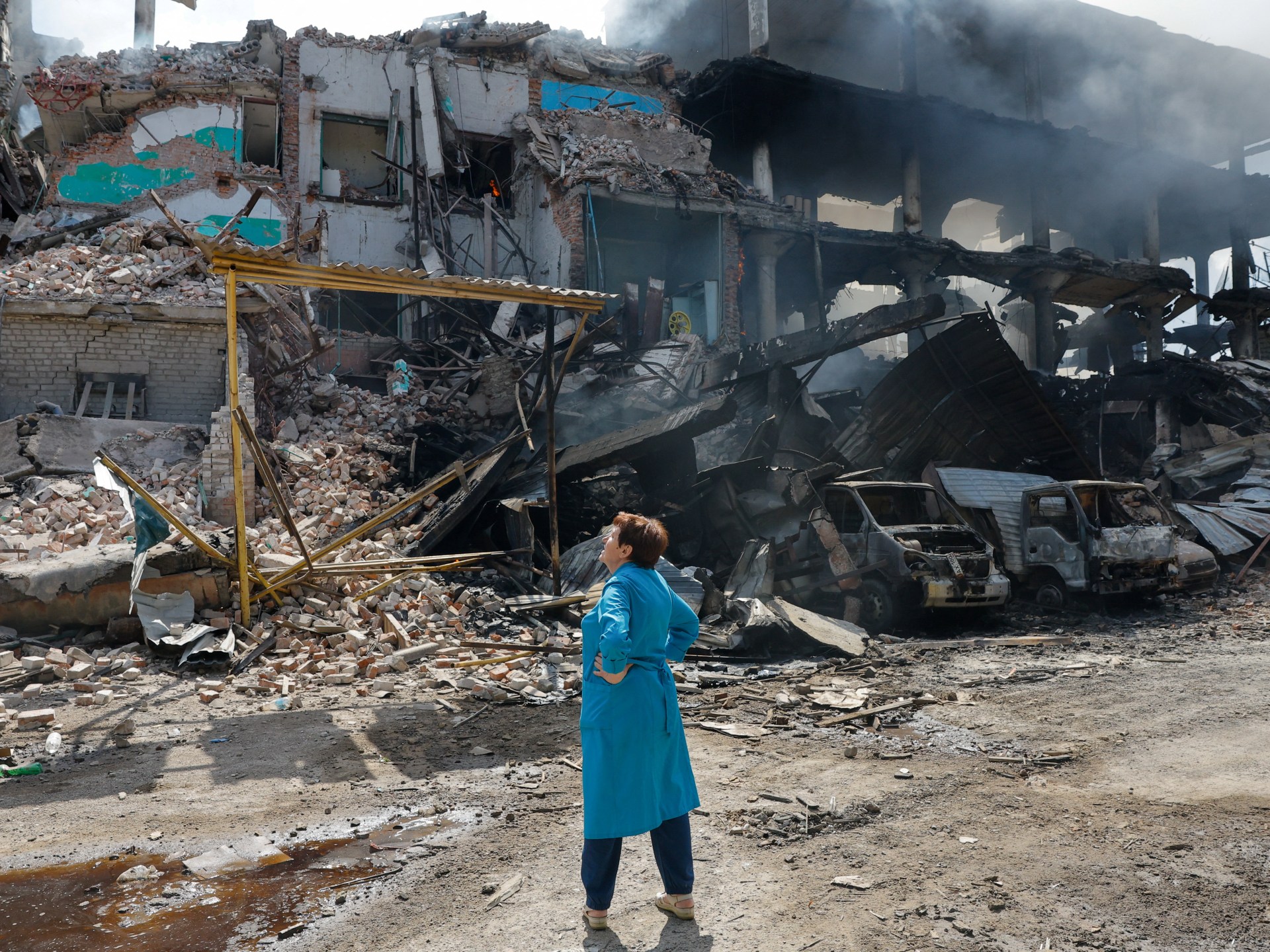
Ukraine has escalated strikes on fuel transport and electricity infrastructure serving Crimea, deepening shortages on the peninsula. The campaign matters because Ukrainian officials say it is aimed at weakening Russia’s military supply lines and energy revenue, while Russian-installed authorities in Crimea have acknowledged disruptions to daily life.
Ukraine’s unmanned forces commander, Robert “Madyar” Brovdi, said on Telegram that an operation called “Molochka” began on July 6 and was targeting Russia’s tanker network. He said the effort had disrupted feeder tankers and barges that move oil from the Volga-Don Canal and the Sea of Azov toward larger vessels in the Black Sea near the Kerch Strait.
Brovdi said Ukraine had struck 147 tankers in the first 10 days of the operation through July 16, including 117 feeder tankers in the Sea of Azov. By July 13, he said traffic through the strait had stopped and oil unloading for Crimea had fallen sharply.
Sergey Aksyonov, Crimea’s Russian-installed governor, said in a public post that authorities could not guarantee daily gasoline sales at filling stations or give exact fuel distribution schedules. He said shortages were likely to continue, despite subsidies approved by Russian President Vladimir Putin.
Power network also hit
Ukraine also struck energy infrastructure linked to Crimea, according to the account reported by Al Jazeera. The strikes included the Saky thermal power plant on July 9, five electricity substations on July 10, and nine more substations along with the Kuban-Crimea electricity transfer point in Russia on July 13.
Aksyonov said authorities could not provide exact schedules for electricity delivery. Brovdi said Crimea faced a severe blackout.
Russian-installed authorities were turning off street lighting to save power and sending generators to communities that had gone longest without electricity, according to Aksyonov. He also said officials would distribute 4,000 free canisters of pressurised gas to households over a week.
Aksyonov announced emergency relief for businesses, including reduced public land lease payments, payment delays until November, postponed loan repayments and a microloan programme.
Ukraine’s Security Service, the SBU, said it also hit ferries used to carry military equipment across the Kerch Strait, along with oil storage and transfer sites, on the night of July 13. The SBU said simultaneous attacks on many distant targets showed it was expanding long-range special operations.
Wider campaign against Russian fuel
Ukrainian commander-in-chief Oleksandr Syrskii said Ukraine had carried out 7,028 successful mid-range strikes in 2026. He said 2,000 took place in May and 3,800 in June.
Russia said on July 7 that Ukraine tried to attack the main compressor station on the TurkStream gas pipeline, which supplies gas to Turkiye and was also designed to serve Southeast Europe. Gazprom said it had stopped three similar attacks in March and April, while Russian Foreign Minister Sergey Lavrov described Ukraine’s actions as terrorism.
Ukraine has also reported long-range attacks on Russian refineries and oil sites. Its General Staff said drones struck the Ilskiy refinery in Krasnodar Krai, oil facilities in the Rostov region, the Syzran refinery in Samara, the Neftekhim Salavat refinery in Bashkortostan and the Afipsky refinery in Krasnodar Krai during July.
Syrskii said Ukraine hit 172 long-range targets in June and nearly 700 in the first half of the year, causing damage he estimated at $6.1bn. Russian Deputy Prime Minister Alexander Novak said on July 10 that petrol shortages were linked to refineries being partly out of service after incursions.
Reuters, citing two industry sources and its own calculations, reported that Russian petrol output was meeting about two-thirds of seasonal demand. Rosstat, Russia’s statistics agency, said monthly petrol inflation rose 6.9 percent in June.
This story draws on original reporting from Al Jazeera.