
UK seeks opt-out social media night curfew for 16- and 17-year-olds
The plan would set a midnight-to-6am default lockout and disable autoplay and endless scrolling for older teenagers, while allowing them to switch the limits off.
By James Whitfield · Staff Writer
3 min read
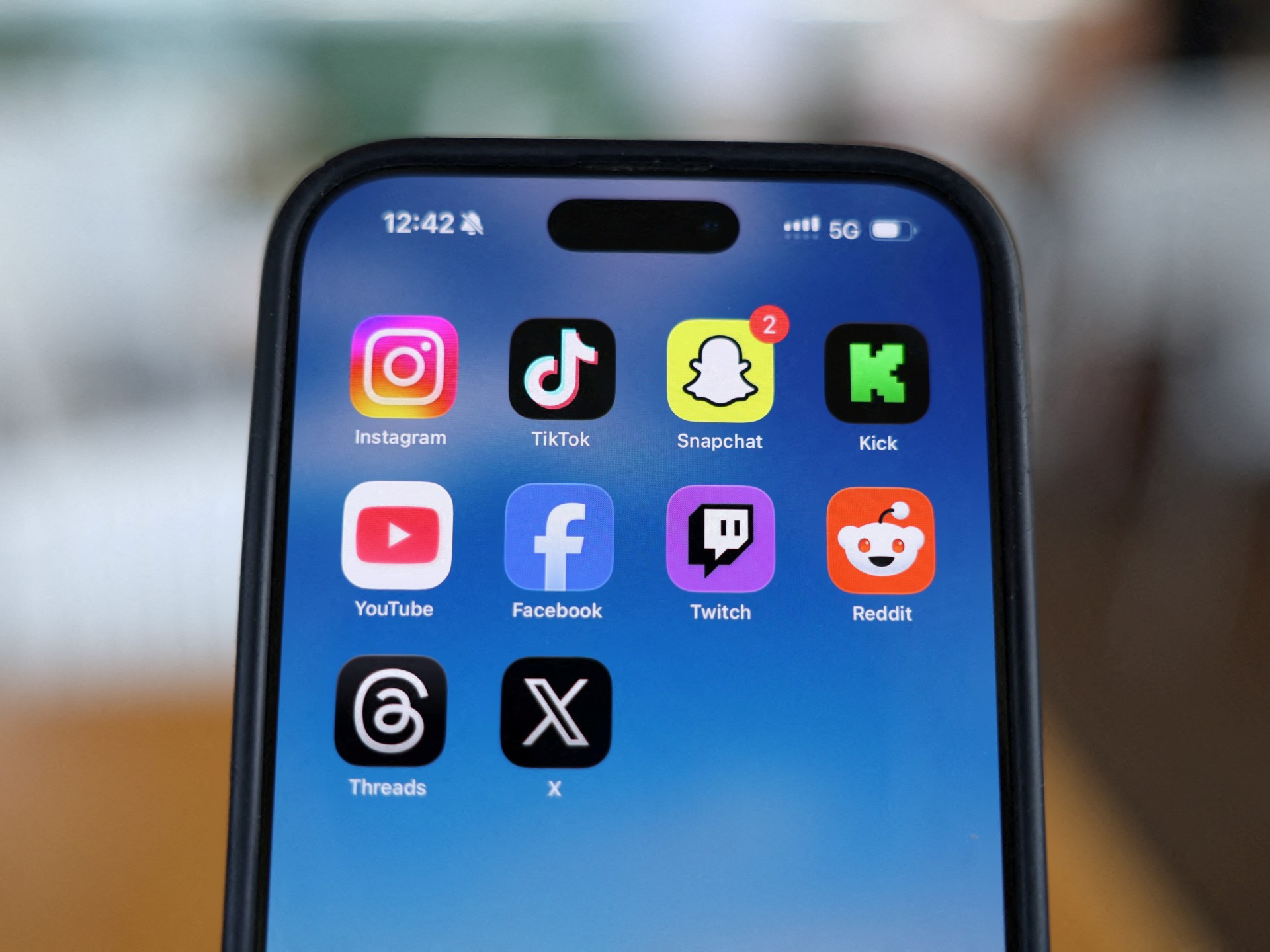
The United Kingdom government has proposed default overnight limits on social media use for 16- and 17-year-olds, a softer measure than its planned ban for younger children. The Labour administration says the policy is aimed at reducing digital harm while giving older teenagers more control than children under 16.
Under plans announced Wednesday, platforms including Instagram, TikTok and YouTube would apply a six-hour lockout from midnight to 6am for users aged 16 and 17, according to Al Jazeera and The Associated Press. Teenagers in that age group would be allowed to turn the restrictions off.
The proposal would also require highly engaging features to be switched off by default for older teens, according to the report. Those features include autoplay videos and endless scrolling, which ministers say can interfere with sleep and concentration.
The measure follows a June announcement by outgoing Prime Minister Keir Starmer of a blanket social media ban for children under 16, scheduled to start in 2027, according to Al Jazeera. Ministers chose an opt-out system for older teenagers rather than extending the stricter prohibition to them.
UK Secretary for Online Safety Kanishka Narayan defended the decision in an interview with Sky News, saying the government did not want an outright ban for 16- and 17-year-olds. He said ministers wanted a gradual shift into adult online access.
“We want to empower our teenagers,” Narayan told Sky News, according to Al Jazeera and AP. He said evidence from a pilot programme and earlier voluntary trials run by platforms showed that more than 90 percent of teenagers kept the restrictive default settings on.
Narayan rejected the argument that older teenagers would routinely disable the curfew. “The evidence base is clear, the motivation is very clear, and I wouldn’t do the disservice to teenagers of saying they’re all going to switch it off,” he said.
Opposition politicians and child safety campaigners questioned whether the policy would be strong enough. Laura Trott, the Conservative Party’s education spokesperson, said the opt-out design undermined the proposal.
“Either they think 16- and 17-year-olds should be on social media or they don’t, but curfews they can simply switch off won’t achieve anything,” Trott said, according to the Associated Press.
The National Society for the Prevention of Cruelty to Children welcomed the plan but said it should not be treated as a complete answer, according to Al Jazeera and AP. Chris Sherwood, the charity’s chief executive, warned that without “further, stronger measures,” the policy would be only a “sticking plaster” and would not deal with addictive algorithms that drive excessive screen time.
The UK proposal comes amid wider international pressure to restrict minors’ access to social media. Australia introduced a ban for under-16s in December 2025, becoming a test case for other governments, and Australian officials are already considering tighter rules after studies found that many teenagers were able to get around the restrictions, according to Al Jazeera.
The British measures still need to be passed into law. Because they are among the final legislative steps of Starmer’s administration, implementation is expected to fall to his anticipated successor, Andy Burnham, according to Al Jazeera and AP.
This story draws on original reporting from Al Jazeera.