
Uganda food crisis deepens as drought hits Karamoja
At least 19 people have starved in Karamoja as drought, failed crops and aid cuts leave 1.5 million at risk of malnutrition.
By Lucas Ferreira · Science & Environment Writer
3 min read
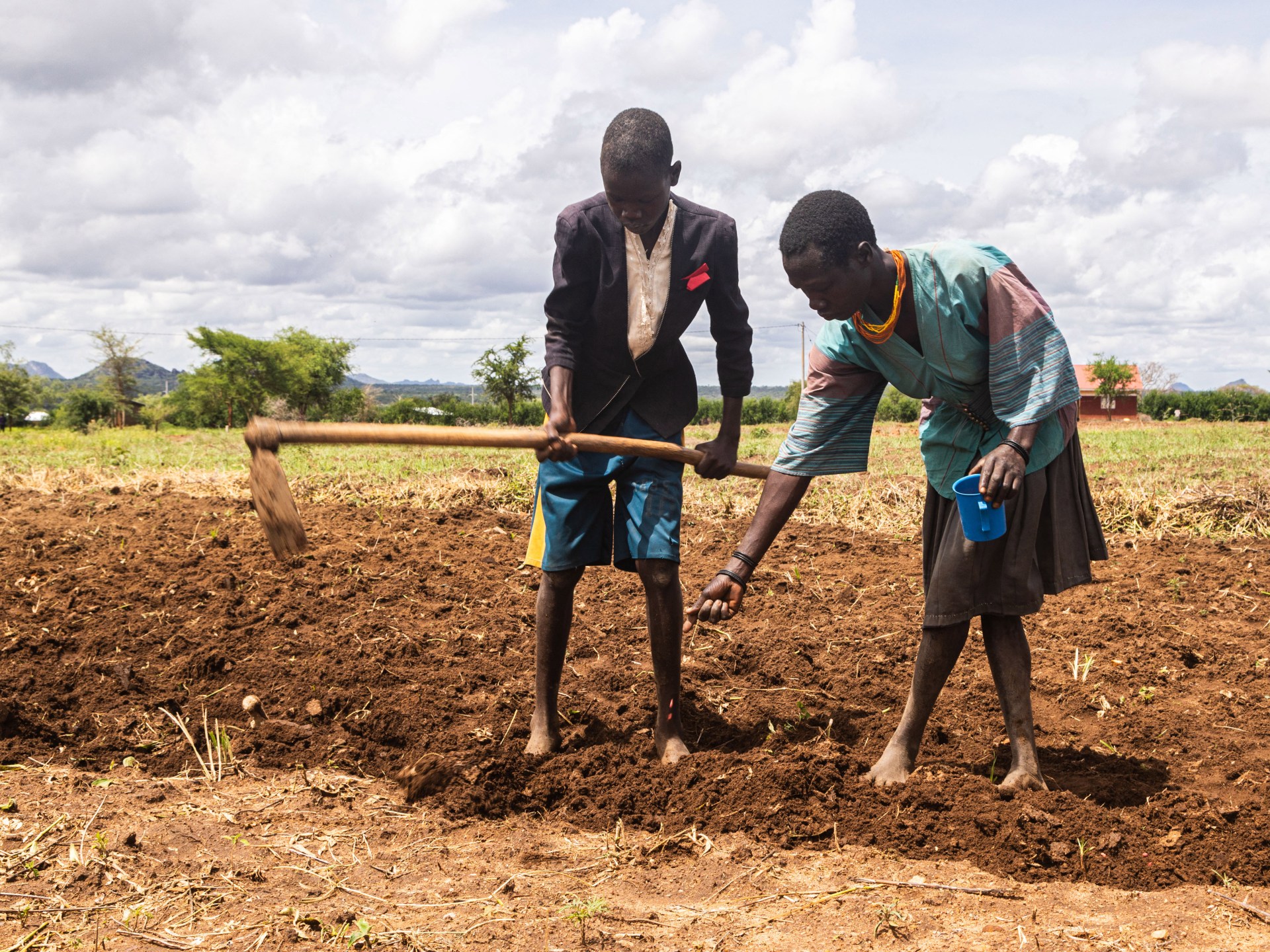
The Uganda food crisis has worsened in the northeastern Karamoja region, where at least 19 people have starved to death and 1.5 million face a risk of malnutrition, according to the Famine Early Warning Systems Network. Al Jazeera reported that the emergency comes as Uganda faces its worst drought in decades, with failed crops and widening hunger across Karamoja and the wider Horn of Africa.
The Ugandan government has started emergency food deliveries in Karamoja after the reported starvation deaths. The crisis has revived concern about the 2022 hunger emergency, which Al Jazeera reported killed more than 2,000 people.
Why is Uganda facing a food crisis?
Karamoja has had no rainfall since April, the start of the planting season, according to Al Jazeera. The region is dry and difficult to farm, and many communities rely on crops and livestock to survive.
Fews Net, an organisation that tracks food security risks, said Karamoja is the hardest-hit part of Uganda. Local residents told Al Jazeera that some families have left villages to search for food or income, while others have turned to burning charcoal.
Elijah Loore, who leads a district disaster management committee, told Al Jazeera that hungry residents have been coming to government offices seeking food. He said children, breastfeeding mothers, pregnant women, older people and people with disabilities are among those most affected by malnutrition.
What is driving the hunger in Karamoja?
Kristof Titeca, an assistant professor at the University of Antwerp whose work focuses on Uganda and the Democratic Republic of the Congo, told Al Jazeera that drought linked to climate change is only one part of the crisis. He also cited environmental damage tied to poverty, including overgrazing and deforestation.
Titeca said conflict involving cattle herders and cattle raiders has made conditions worse and contributed to higher food prices. He also said Karamoja has long been marginalised, from the colonial period through successive Ugandan governments.
He told Al Jazeera that the United States’ cancellation of foreign aid under President Donald Trump has deepened the emergency because aid agencies have pulled back food assistance in Uganda. Titeca said Karamoja needs a structural response because the region has faced repeated food crises.
Job Kijji, executive director of the Ugandan policy think tank IDEA, told Al Jazeera that governance failures are central to the current emergency. He pointed to corruption involving funds and supplies intended for Karamoja, including the recent iron sheet scandal over roofing materials meant for Karimojong communities.
Kijji also said Karamoja has valuable mineral resources, including gold, limestone and granite, but local people have not benefited enough from extraction. He argued that Uganda needs investment in climate-smart agriculture, water harvesting, irrigation and food distribution systems that can move supplies from surplus areas to food-deficient regions.
How is the government responding?
Al Jazeera’s Catherine Soi reported that Uganda has allocated $18m in aid for Karamoja. On July 22, the government began distributing maize flour and beans after the 19 starvation deaths were reported.
Sam Engola, Uganda’s minister for disaster preparedness and refugees, launched the distribution effort and later wrote on X that the government had met the World Food Programme to discuss food relief and fair support for affected families. He said emergency food is needed now, while longer-term work with the Ministry of Agriculture will focus on irrigation schemes, valley dams, grain silos and drought-resistant crops.
Engola said those measures are intended to strengthen crop and livestock production and reduce Karamoja’s dependence on annual relief. Kijji told Al Jazeera that emergency maize flour and beans are inadequate without investment in local production, storage, preservation, cold chains, accountability and stronger control over revenues from Karamoja’s minerals.
Soi reported that Uganda is part of a broader regional emergency. Millions of people in Kenya, Somalia, Ethiopia and South Sudan are also facing severe food shortages linked to recurring droughts.
This story draws on original reporting from Al Jazeera.