
Evacuation warnings leave Tyre residents with few places to go
Israeli strikes and evacuation orders have pushed many in the Lebanese port city into shelters, streets and beaches, NPR reported.
By Daniel Okafor · Business Editor
3 min read
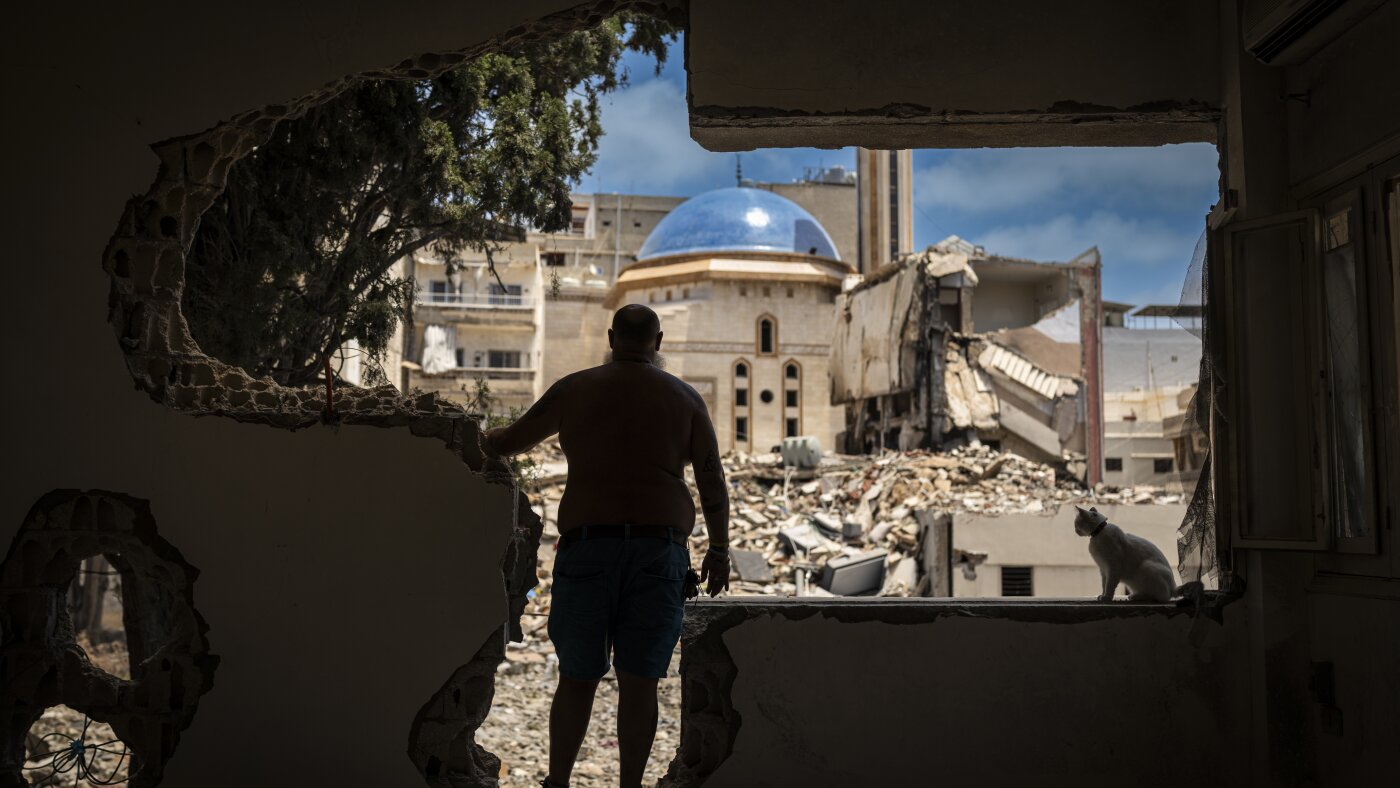
Israeli evacuation warnings and airstrikes have left residents of Tyre, one of Lebanon’s major coastal cities, with few safe places to stay, NPR reported. The pressure on the ancient port city shows how the Israel-Hezbollah war has reached civilian neighborhoods far beyond Lebanon’s border villages.
Tyre sits about 12 miles north of the Israeli border and had been a tourist center in peacetime, according to NPR. In late May, before the current ceasefire began, Israel began targeting most of the city while saying it was striking Hezbollah fighters, NPR reported.
NPR said thousands of people moved into a small, mostly Christian seaside area that residents viewed as the city’s last safer district. Days later, Israel warned that area could also be attacked, and NPR reported that the warning did not include evidence that Hezbollah was operating inside the Christian quarter.
Historic areas hit
NPR reported from the Antiquities neighborhood, an area named for Roman remains and sites linked to Alexander the Great. The outlet said an Israeli drone flew low over the district after strikes had hit there the week before.
Later that day, NPR reported, an Israeli strike on a century-old house near the entrance to the ancient port damaged columns and knocked down stone capitals at the UNESCO-listed World Heritage site. The outlet described blocks where earlier strikes had flattened buildings and left businesses, homes and trees covered in concrete dust.
Ali al-Ra’i, a local policeman, told NPR that entire buildings had been destroyed. NPR reported that he grew anxious as a drone became louder overhead and urged people nearby to leave.
Residents stay because leaving is too hard
Many people remain in Tyre because they are poor, elderly or disabled, NPR reported. Alwan Sharafaddine, the city’s deputy mayor, told NPR that at least 9,000 people, about 15% of Tyre’s population, stayed after Israeli evacuation warnings.
The United Nations says more than 1.2 million people in Lebanon have been displaced since the war between Israel and Hezbollah began on March 2, according to NPR. Mayor Hassan Dbouk told NPR that U.N. groups were providing help, while assistance from Lebanon’s government remained limited.
Maysa Tafla told NPR that she and her family briefly stayed in a hotel after Israel warned their neighborhood but returned home when they could no longer pay. She said her husband, Issa, is partially paralyzed and would struggle in crowded shelters, including waiting for bathrooms.
NPR also reported that Hassan Sabbagh, who sells and repairs air conditioners, used his apartment during the day but slept on the beach at night with his wife and children in case their building was hit. Other families slept in tents on the sand or under blankets tied to trees near beachfront hotels, according to NPR.
Anaal Slaibi, displaced from villages farther south, told NPR that her destroyed home left her family searching for any place they could afford. NPR reported that she was renting a storefront for $250 a month so her elderly, ill mother could reach a bathroom.
Coexistence under strain
NPR described Tyre as a city with a long history of religious coexistence, including Muslim and Christian communities living close together near the port. A fisherman identified only as Mohammad told NPR that Tyre had avoided some sectarian tension seen elsewhere, where some Christians feared hosting displaced Shiite Muslims because Hezbollah is Shiite and backed by Iran.
At Saint Thomas Cathedral, an 18th-century Greek Catholic church, NPR reported that about 100 people attended Mass while the Vatican ambassador, Paolo Borgia, visited from Beirut. Melkite Archbishop Georges Eskandar told NPR that Tyre, known in Arabic as Soor, stands out for coexistence.
Dbouk, the mayor, told NPR that the city’s solidarity reflected Lebanon’s wider national family. For residents still in Tyre, NPR reported, that community support has become the main safety net as war damage, displacement and evacuation warnings reshape daily life.
This story draws on original reporting from NPR.