
Tunisia Kais Saied protests mark five years of emergency rule
Thousands marched in Tunis demanding Kais Saied resign, citing economic strain, jailed opponents and limits on freedoms.
By Sofia Marchetti · World Affairs Correspondent
3 min read
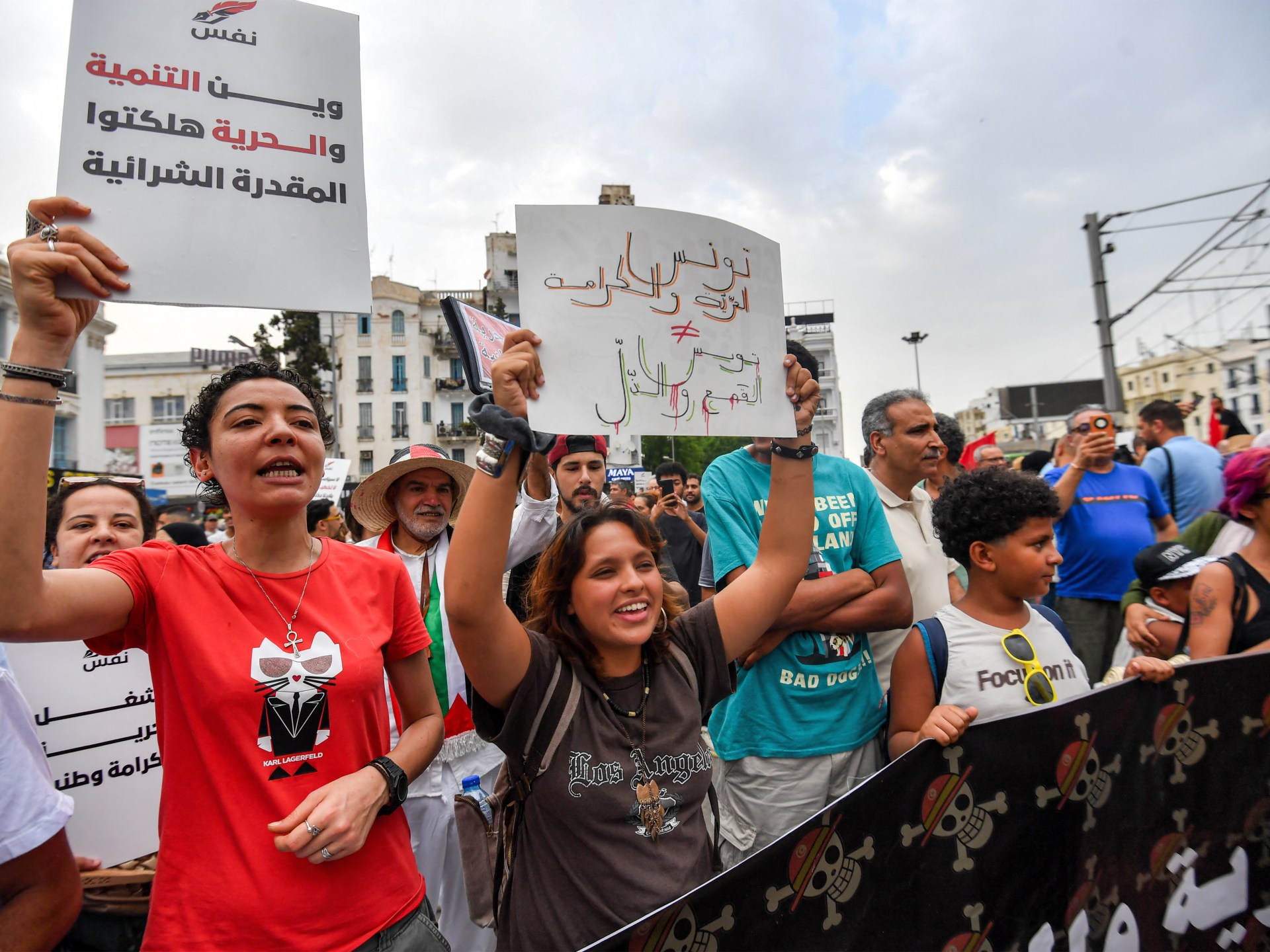
Thousands joined Tunisia Kais Saied protests in central Tunis on Saturday, calling for the president to step down five years after he claimed emergency powers, Al Jazeera reported. The rally put fresh attention on accusations from opponents that Tunisia’s democratic gains have been rolled back under Saied’s rule.
According to Al Jazeera, demonstrators marched along Habib Bourguiba Avenue, a symbolic site of Tunisia’s 2011 uprising, after starting at Republic Square and heading toward the Municipal Theatre. Protesters carried Tunisian flags and banners opposing what Saied calls the “July 25 path,” the political course he began when he declared a national emergency in 2021.
Why are Tunisians protesting Kais Saied?
Opposition parties and protesters cited falling living standards, poor state management, restrictions on dissent and the imprisonment of political figures, Al Jazeera reported. Demonstrators chanted for Saied to “leave,” demanded “freedom, work and national dignity,” and revived the 2011-era slogan, “the people want the fall of the regime.”
The protest call came from Nafas, an umbrella initiative that includes opposition parties and independent figures opposed to Saied’s concentration of power, according to Al Jazeera. Imed al-Khamiri, a spokesman for the Ennahdha party, told Al Jazeera Arabic that anger had spread beyond established opposition groups to citizens upset over the economy and public services.
Wissam Sghaier, spokesman for the opposition Jomhouri party, told Al Jazeera that political and civil groups had taken to the streets to hold the governing system accountable and point to its failures. He said activists were prepared to face prosecution or imprisonment over their opposition.
What happened on July 25 in Tunisia?
On July 25, 2021, Saied declared a national emergency, suspended parliament and later dissolved it, allowing him to govern by decree, Al Jazeera reported. His critics say he used emergency measures to reverse parts of the democratic transition that followed the 2011 removal of longtime President Zine El Abidine Ben Ali.
Tunisia’s post-2011 transition included free elections and a constitution that protected political freedoms, according to Al Jazeera. Since Saied took emergency powers, the outlet reported, he has removed dozens of judges, made it a crime to spread media the government classifies as false, and overseen arrests of prominent opposition figures.
Many protesters on Saturday called for political prisoners to be freed, Al Jazeera reported. Among the best-known jailed figures is Rached Ghannouchi, the 85-year-old former parliament speaker and Ennahdha leader, who was sentenced in June to life plus 30 years on terrorism charges, according to Al Jazeera.
Al Jazeera reported that Ghannouchi has been imprisoned for years, has declining health and recently fainted because of prison conditions. Opposition supporters have presented his case as part of a broader crackdown on Saied’s critics.
Saied denies that rights and freedoms have been restricted, Al Jazeera reported. He says his actions are intended to fight corruption and prevent chaos.
This story draws on original reporting from Al Jazeera.