
Trump says US and Iran will meet in Doha as Gulf clashes test deal
The planned Qatar meeting comes as Washington and Tehran trade conflicting signals over talks tied to a fragile ceasefire agreement.
By Sofia Marchetti · World Affairs Correspondent
3 min read
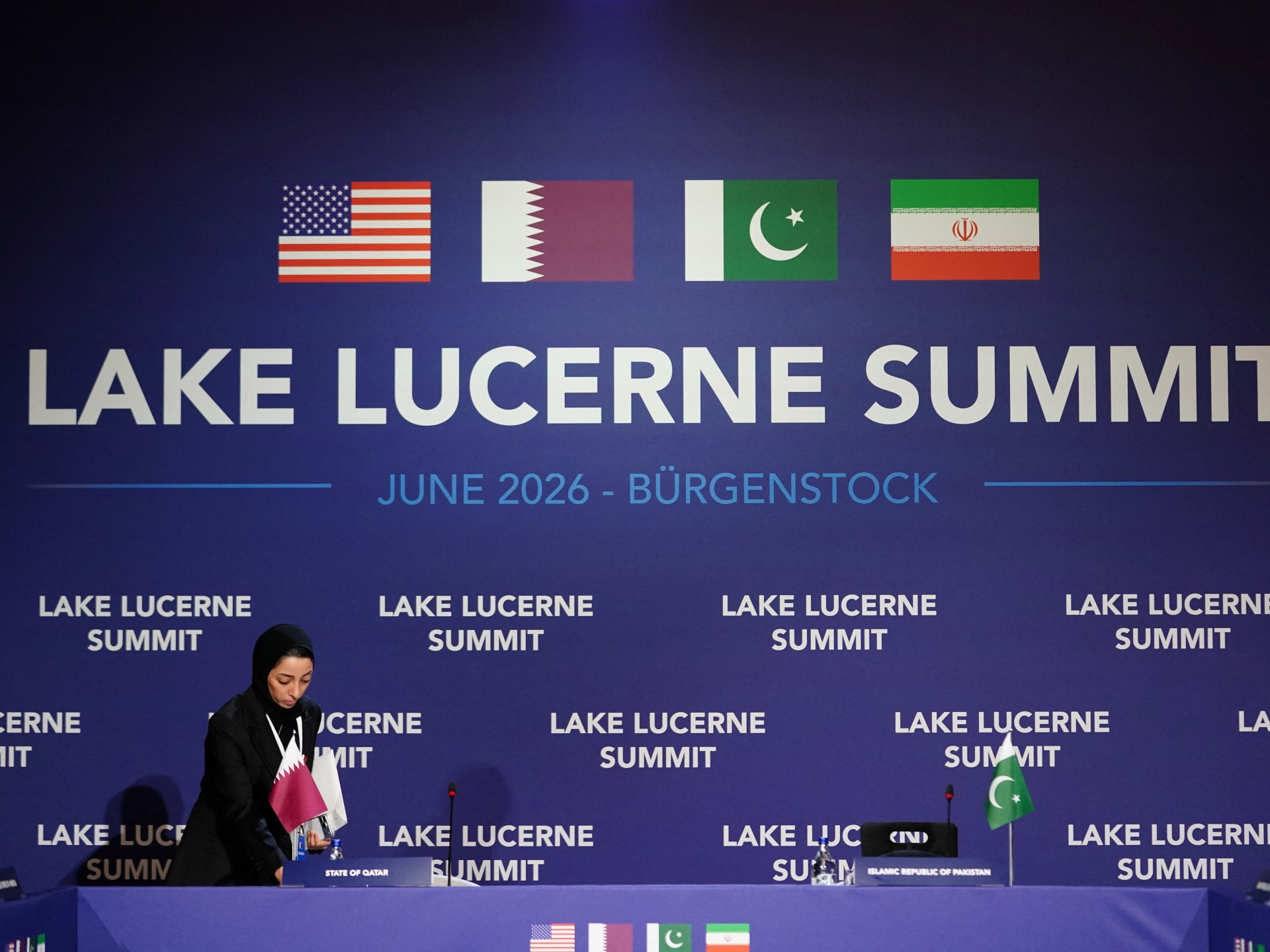
President Donald Trump said the United States and Iran will meet in Qatar on Tuesday, keeping a diplomatic track open after new military exchanges in the Gulf. The announcement matters because Washington and Tehran are in a 60-day negotiation period aimed at addressing unresolved issues in their recent agreement, including Iran’s nuclear programme.
Trump said Monday on social media that Iran had asked for a meeting and that it would be held in Doha. His statement came less than two hours after Iranian Deputy Foreign Minister Kazem Gharibabadi told Tasnim news agency that technical discussions on a memorandum of understanding with Washington were not scheduled for this week.
Gharibabadi said contacts with Qatar were continuing, including on what he called implementation of commitments by the other side. He said reports that working-group technical talks would be held in Doha could not be confirmed, according to Tasnim.
Iran has not confirmed that a meeting has been set. Al Jazeera reported that the public positions from Washington and Tehran appeared to be at odds, while noting that the timing left open the possibility that arrangements changed after Gharibabadi spoke.
White House spokeswoman Karoline Leavitt told Fox News that special envoy Steve Witkoff and Jared Kushner, Trump’s son-in-law, would lead the US side in Doha. Leavitt said the meetings would focus on the memorandum of understanding and that technical talks would take place alongside the higher-level discussions.
Ceasefire deal under pressure
Al Jazeera reported that the United States and Iran reached a deal earlier this month to end the war, opening a 60-day period for negotiations on the most difficult disputes between them. The arrangement has since been strained by continued Israeli attacks in Lebanon and by Iran’s moves around the Strait of Hormuz, according to Al Jazeera.
The first line of the 14-point memorandum calls for a full ceasefire in Lebanon and for Lebanon’s territorial integrity and sovereignty to be protected, Al Jazeera reported. The United States has also backed a separate deal between Lebanon’s government and Israel that ties an Israeli withdrawal to Hezbollah’s disarmament across Lebanon, according to Al Jazeera.
The Strait of Hormuz remains another point of conflict. Al Jazeera reported that Iran has rejected shipping routes through the waterway that are outside its control and has fired on vessels using lanes not designated by Tehran.
The United States has struck Iranian positions near the strait, according to Al Jazeera. Iran answered with missile and drone attacks on American bases in Bahrain and Kuwait, Al Jazeera reported.
Leavitt said Monday that the United States believes it is complying with the ceasefire. She also warned that attacks on commercial shipping or US interests would draw a military response, according to her comments reported by Al Jazeera.
Oil prices and sanctions
Trump also pointed Monday to falling fuel prices after the deal, which Al Jazeera reported lifted Tehran’s blockade of Hormuz and eased US sanctions on Iranian energy products. On Truth Social, Trump said gasoline prices were falling and urged people to report retail-level abuses.
Al Jazeera reported that the average US gasoline price had fallen to $3.86 a gallon from a May peak of $4.56. The price had been below $3 before the war, according to Al Jazeera.
This story draws on original reporting from Al Jazeera.