
Trump tariffs response: US partners reject forced-labor claims
US allies and rivals pushed back after Washington set 10% to 12.5% duties on goods from more than 80 countries.
By Sofia Marchetti · World Affairs Correspondent
3 min read
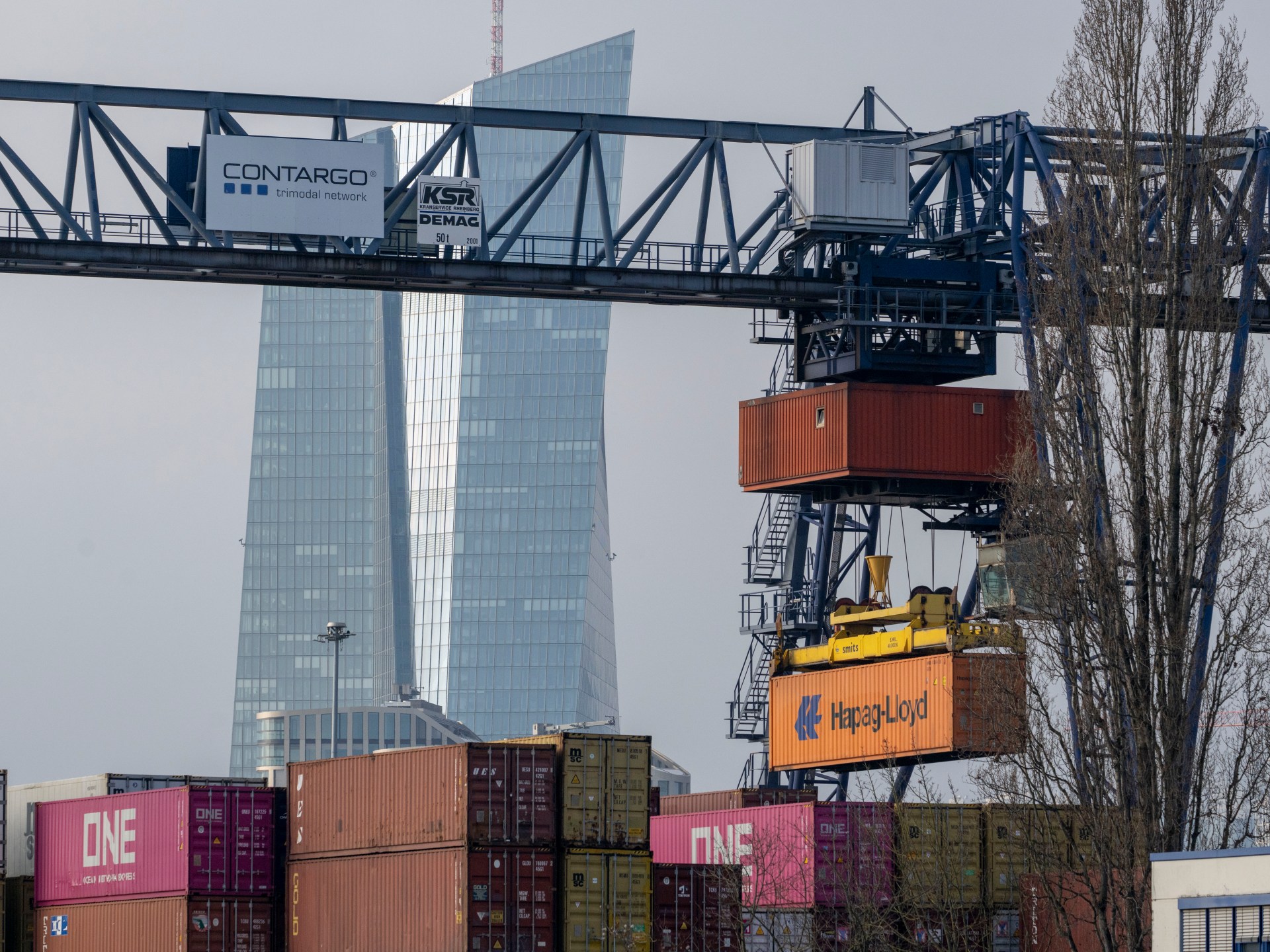
The Trump tariffs response widened on Friday as governments and exporters challenged Washington’s new duties on goods from more than 80 countries, according to Al Jazeera and news agencies. The measures carry rates of 10 percent to 12.5 percent and were imposed after the Trump administration accused targeted countries of failing to curb imports made with forced labour.
The administration cited Section 301 of the Trade Act of 1974 as the legal basis for the tariffs. Many of the countries covered by the order rejected the forced-labour accusation, while others said prior trade arrangements should limit the damage.
President Donald Trump has used tariffs as a central part of his effort to boost US manufacturing and confront what he has described as unfair trade terms. Al Jazeera reported that his trade agenda has also run into legal setbacks, including a Supreme Court ruling that found his reciprocal tariffs unconstitutional.
Why did Trump impose the new tariffs?
The Trump administration said the tariffs respond to countries that have not done enough to block goods made with forced labour from entering their markets. Section 301 allows Washington to investigate and respond to foreign trade practices it considers unfair or burdensome to US commerce.
The duties were announced as a separate 10 percent global tariff reached its legal deadline on Thursday night. That timing drew accusations that Trump was again stretching US trade law, Al Jazeera and news agencies reported.
How US trade partners reacted
Australian Trade Minister Don Farrell rejected any link between Australia and forced labour. Speaking in Adelaide, Farrell said Australia takes slavery and modern slavery seriously and said Canberra would keep pressing Washington to remove the tariffs.
New Zealand Prime Minister Christopher Luxon described the move as “extremely disappointing” in a social media post. He said the US investigation had not produced meaningful evidence to support forced-labour claims against New Zealand.
The British government took a different line, saying the announcement would bring “no negative change” for UK exports. A government spokesman said earlier US-UK trade agreements had already shielded several sectors from further tariffs and said Washington had recognised steps taken by Britain on forced labour.
Japan also objected to the reasoning behind the US decision. Chief Cabinet Secretary Minoru Kihara told a news conference that it was regrettable for Washington to impose tariffs on Japan on those grounds, saying Japanese industry and trade follow international norms.
Kihara said Tokyo had confirmed with Washington that total tariffs would not exceed the 15 percent level set in a trade agreement reached last year.
The European Commission said the new policy appeared to remain within the terms of an earlier EU-US trade understanding. A commission spokesperson said the bloc noted positively that the outcome was in line with US tariff commitments under the EU-US Joint Statement.
China’s Ministry of Foreign Affairs criticised the 12.5 percent levy and repeated Beijing’s opposition to unilateral tariffs. Ministry spokesman Lin Jian told reporters that tariff wars and trade wars do not serve any party’s interests.
Trump and Chinese President Xi Jinping are expected to meet again in September, after earlier talks in Beijing produced new trade agreements in May, according to Al Jazeera and news agencies.
In India, textile and clothing exporters warned that the tariff structure could hurt sourcing orders. Ashwin Chandran, chairman of the Confederation of Indian Textile Industry, said India was left off a list of countries whose exports of some products, including those made with US cotton, would receive exemptions.
This story draws on original reporting from Al Jazeera.