
Trump presses NATO allies as Ankara summit opens
The NATO meeting begins with Trump demanding higher allied defense spending and analysts watching for strains inside the 32-country alliance.
By Daniel Okafor · Business Editor
4 min read
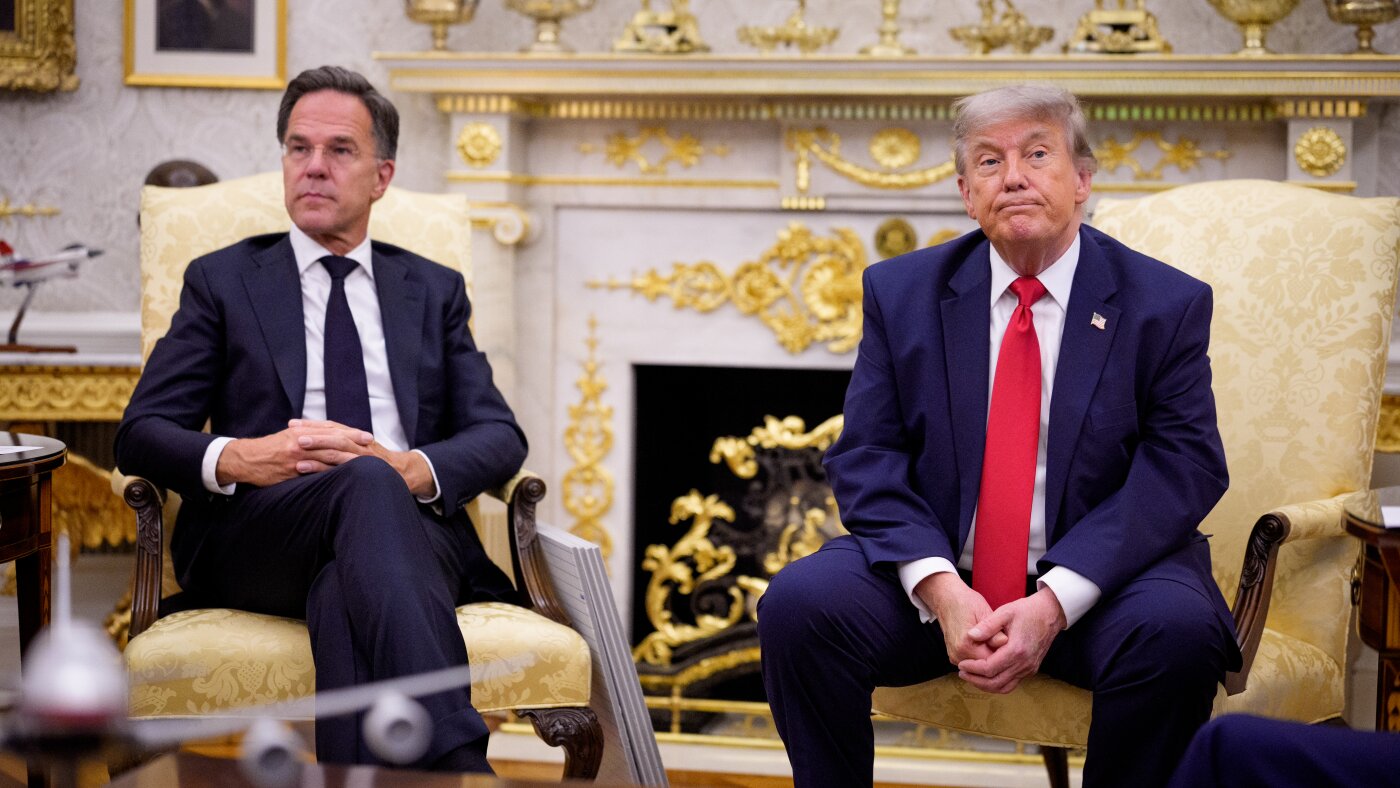
President Donald Trump arrived in Ankara for NATO’s annual summit with renewed demands that allies spend more on defense, setting up another test of U.S. ties with the 32-country alliance. NPR reported that the meeting comes as NATO leaders try to keep Trump engaged while pushing Europe to take more responsibility for its security.
In a July 2 post on Truth Social, Trump said the United States spends more on NATO than any other country and argued it receives no benefit for doing so. His criticism extends a pattern from his first term, when he called NATO “obsolete” and accused members of relying too heavily on Washington, according to NPR.
NATO’s agenda in Turkey includes defense spending, weapons production and supply chains, and the war in Ukraine, NPR reported. The alliance gained new urgency after Russia’s 2022 invasion of Ukraine, but Trump’s second-term complaints have returned the burden-sharing fight to the center of NATO politics.
Spending pressure dominates the meeting
U.S. Ambassador to NATO Matt Whitaker told reporters Sunday that Trump expects allies to move quickly toward spending 5% of gross domestic product on defense. NATO members agreed at the 2025 summit in The Hague to raise annual defense spending to that level by 2035, up from the earlier 2% benchmark, according to NPR.
Mark Rutte, NATO’s secretary general, said in a recent Washington speech that allies would use the Ankara summit to show progress on commitments made last year. NPR reported that Rutte has promoted the idea of “NATO 3.0,” a concept tied to Pentagon thinking that Europe should rely less on the United States for its own defense.
Max Bergmann, director of the Europe, Russia and Eurasia Program at the Center for Strategic and International Studies, told NPR that the summit may be lighter on substance than earlier gatherings. He said NATO leaders are trying to get through the summit period without a rupture in the transatlantic alliance.
Bergmann said U.S. policy officials at the Pentagon want to shift much of Europe’s defense burden to European governments and reduce the U.S. role. He told NPR that Rutte is trying to keep that push from turning into a broader pullback from NATO.
Analysts point to Trump as the summit’s wild card
Torrey Taussig, director of the Transatlantic Security Initiative at the Atlantic Council, told NPR that Trump remains the central uncertainty for the summit. She said the meeting’s outcome may not be clear until leaders finish their public appearances and leave Ankara.
Trump has also criticized European allies over what he views as insufficient support for the U.S.-Israeli-led war in Iran, according to NPR. During a recent Oval Office meeting with Rutte, Trump said of European allies, “I just want their loyalty,” adding that the United States is loyal to them.
Taussig told NPR that European governments were reluctant to join the Iran conflict because they had not been consulted beforehand. She said Rutte has had some success appealing to Trump’s political instincts and showing him data on European and Canadian defense spending increases.
Turkey’s role adds another layer
Turkey’s hosting role may help keep Trump at the table. NPR reported that Trump said during the Oval Office meeting with Rutte that he might not have attended the summit if it had not been held in Turkey by President Recep Tayyip Erdogan.
Turkey has caused friction inside NATO in recent years, including by slowing Sweden’s and Finland’s accession, NPR reported. The country also has close economic ties with Russia, the alliance’s second-largest army and a growing defense industry.
Taussig told NPR that Trump’s relationship with Erdogan could soften some alliance tensions during the summit. Bergmann said a typical U.S. president would have concerns about visiting Turkey given democratic backsliding under Erdogan, including pressure on political opponents and the press, but he said those issues do not appear to trouble Trump.
This story draws on original reporting from NPR.