
Hormuz tanker attack puts pressure on US-Iran talks
A tanker fire and reports of missile strikes near Oman have added new strain to negotiations over shipping access in the Strait of Hormuz.
By Lucas Ferreira · Science & Environment Writer
4 min read
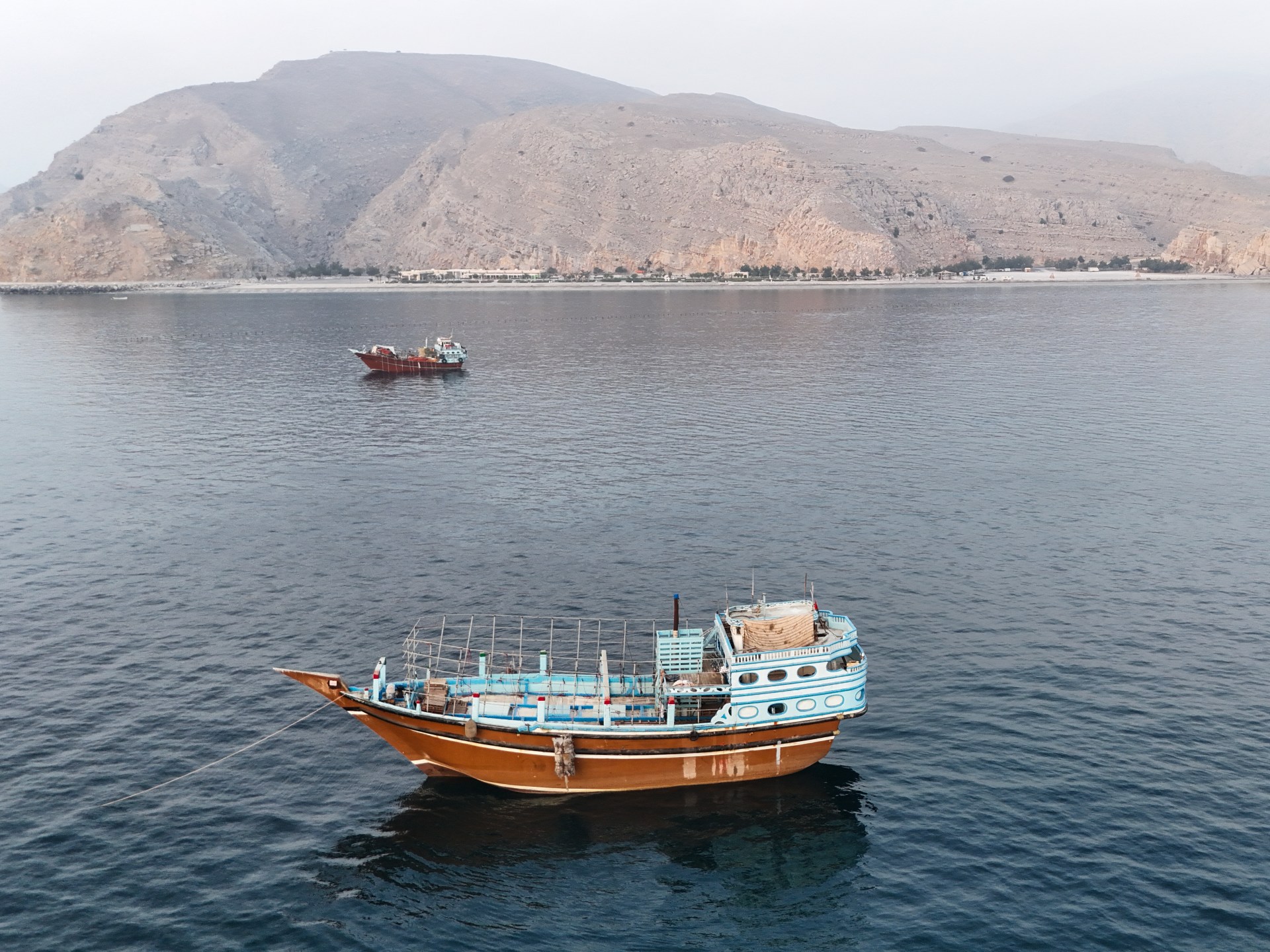
A tanker caught fire near Oman after being hit by a projectile, and separate reports said missiles struck commercial ships in the Strait of Hormuz. The incidents add pressure to US-Iran talks in which control of the waterway has become a central dispute.
The United Kingdom Maritime Trade Operations said early Tuesday that a tanker was struck on its port side while sailing south about 8 nautical miles, or 15km, off Limah, Oman. UKMTO said the impact caused a fire.
Axios, citing two unnamed US officials, reported that Iran’s Islamic Revolutionary Guard Corps fired at least two missiles at commercial ships moving through the strait on Monday night. Axios reported that two ships were badly damaged and that no casualties were reported. It was not clear whether one of those vessels was the tanker described by UKMTO.
Reuters, citing three unidentified sources, reported that the vessel hit near Oman was the Al Rekayyat, a Qatari liquefied natural gas tanker. Reuters reported that the crew was safe and that the ship issued distress signals after the strike. Another source briefed on the incident told Reuters the tanker could be at risk of exploding because of a fire in its engine room.
Reuters also reported, citing sources, that a Saudi-flagged crude oil tanker was damaged in the strait after the IRGC fired missiles. Iranian television reported claims that the LNG tanker had ignored warnings before it was attacked, though Tehran did not claim responsibility. Al Jazeera reported that neither US Central Command nor the IRGC commented on the incident.
Shipping risks remain high
The attacks came during sensitive negotiations between Washington and Tehran aimed at reaching a lasting settlement to the war that began on February 28, according to Al Jazeera. Al Jazeera reported that access through the Strait of Hormuz is one of the main unresolved issues, after Iran effectively closed the passage to shipping when US-Israeli strikes began.
The incidents also came during funeral processions for former Iranian Supreme Leader Ayatollah Ali Khamenei, who Al Jazeera reported was killed in US-Israeli strikes on the first day of the war.
Hossein Royvaran, a Tehran-based analyst, told Al Jazeera the Qatari tanker may have entered an area where Iranian teams were clearing mines. Royvaran said the area near Oman was likely filled with mines and that ships moving there could have threatened those teams.
Al Jazeera reported that the IRGC released a map in April showing an approved route for ships through the strait. The IRGC did not confirm mines were present, according to Al Jazeera, but said its route would avoid any mines and would send ships closer to Iran’s coast.
Talks face a shipping dispute
Kpler said in a post on X that traffic through the strait over the weekend showed “resilience,” with 108 verified crossings. The data company said there were 43 crossings on July 3, 34 on July 4 and 31 on July 5.
Before the war, Al Jazeera reported, an estimated 120 to 140 vessels crossed the strait each day, about half of them oil tankers carrying roughly 20 million barrels per day. At the height of the war, traffic fell to as few as two tankers a day, according to Al Jazeera.
Al Jazeera reported that Iran has restricted shipping since early March, at times allowing vessels from selected countries to pass after arranging transit with the IRGC. The United States imposed a corresponding naval blockade on Iranian ports, including ports in the strait, in June, according to Al Jazeera.
A preliminary US-Iran memorandum of understanding announced on June 14 called for the strait to remain open to all shipping for at least 60 days, Al Jazeera reported. MarineTraffic data cited by Al Jazeera showed only seven ships crossed in the four days after the announcement.
Mohsen Milani, a University of South Florida politics professor, told Al Jazeera that Iran may seek environmental or service fees for ships using the strait, while Washington opposes any arrangement that expands Iranian control under freedom of navigation principles.
President Donald Trump said Monday that the US would either reach a deal or “finish the job,” according to remarks quoted by Al Jazeera. Iranian Foreign Minister Abbas Araghchi said threats violated the memorandum and wrote that final negotiations would not begin if threats continued.
This story draws on original reporting from Al Jazeera.