
Displaced Gaza farmers plant tent-side gardens as farmland is destroyed
Families in Gaza are growing vegetables in small dirt plots near tents as farmland, wells and greenhouses have been wrecked or cut off.
By Lucas Ferreira · Science & Environment Writer
3 min read
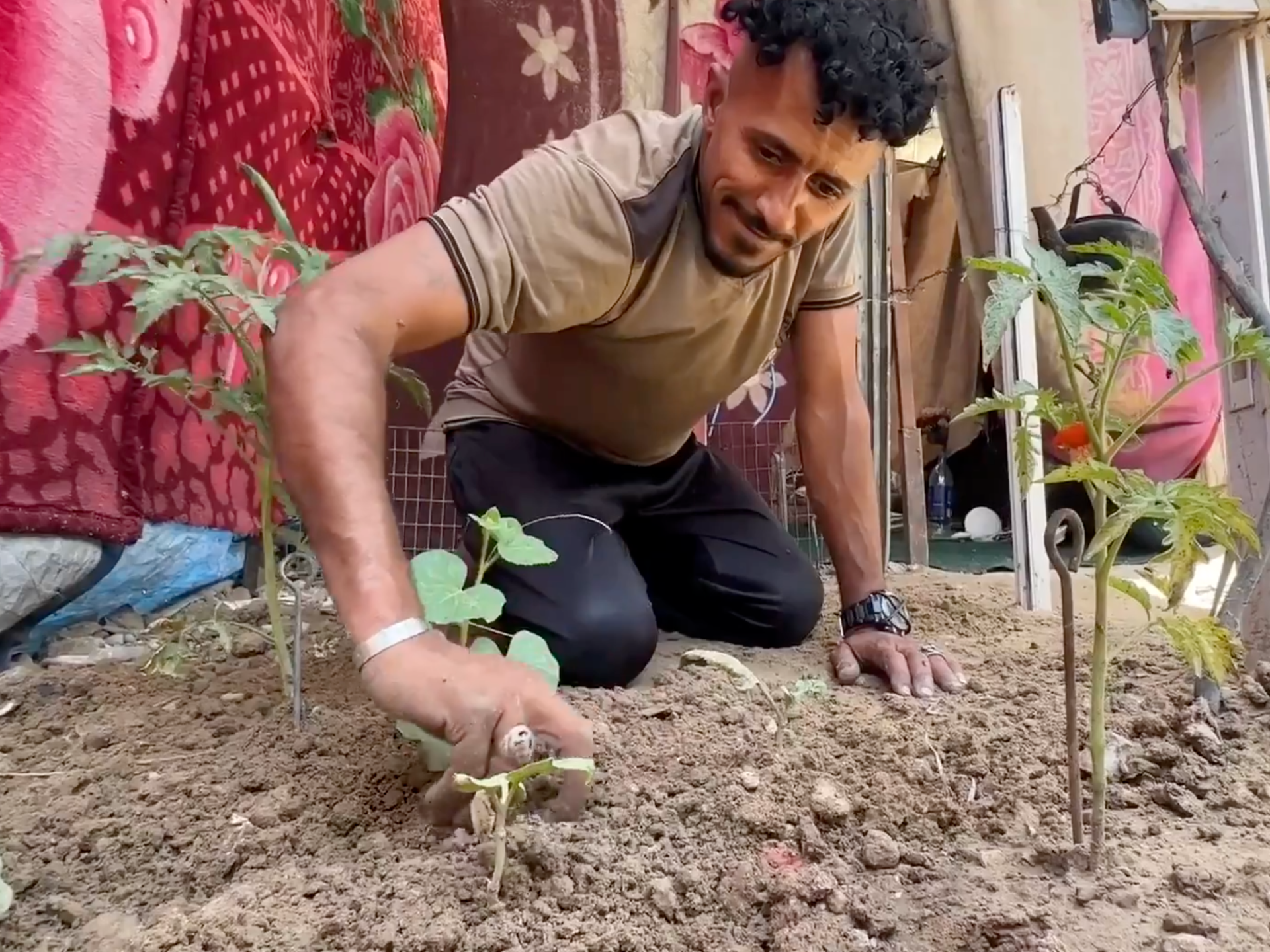
Displaced Palestinian farmers in Gaza are planting small gardens beside their tents as destruction of farmland and severe food shortages leave families with few ways to eat, Al Jazeera reported. The improvised plots matter because Gaza’s local food production has sharply collapsed, while many former farms are destroyed or too dangerous to reach.
In Gaza City’s Sheikh Ijlin neighbourhood, farmer Abu Fares told Al Jazeera he remembered an area once known for grapevines, fig trees and seasonal crops. Since October 2023, Al Jazeera reported, Israeli bulldozing in that area and elsewhere in Gaza has stripped farmland that supported thousands of families.
Many displaced Palestinians now use small patches of dirt around tents to grow food, according to Al Jazeera. One displaced farmer said she uses the method to produce tomatoes, eggplants, peppers and molokhia greens for her family, including orphaned children.
Farmers cut off from land
Farmers told Al Jazeera they are working despite shortages of water, seeds and fertiliser. Abu Mohammed, another farmer cited by the outlet, described agriculture as both a source of income and a way to remain tied to the land.
The Ministry of Agriculture in Gaza said cultivated areas have fallen below 15 percent of normal productive capacity. It attributed the fall to a lack of farming inputs, damaged irrigation sources and attacks on farmers in fields.
Al Jazeera reported that large areas of farmland now fall inside what Israeli forces call the “Yellow Line,” territory they hold. The outlet said artillery fire has made those areas impossible for Palestinians to access, leaving tent-side gardening as one of the few options available for some farmers.
Food system losses
Fadel El-Zubi, a food security expert and regional policy adviser at the United Nations Food and Agriculture Organization, told Al Jazeera that Gaza’s food system has been directly targeted. He said the destruction of wells, irrigation systems, crop stores and perennial trees was pushing the population into dependence on food aid.
Before the latest war, agriculture made up about 10 percent of Gaza’s economy and supported more than 560,000 people, according to Al Jazeera. Beth Bechdol, the FAO’s deputy director general, has warned that damaged greenhouses and wells have halted local food production and worsened the risk of famine in the enclave.
FAO and UN Satellite Centre geospatial assessments from May 2025 found that less than 5 percent of Gaza’s cropland remained available for cultivation, Al Jazeera reported. By October, UNRWA, the UN agency for Palestinian refugees, said most farmland was either destroyed or inaccessible.
The Government Media Office in Gaza said Israel has destroyed more than 94 percent of the enclave’s 178,000 dunams, or 178 square kilometres, of agricultural land. It said annual agricultural production fell from 405,000 tonnes to 28,000 tonnes.
Al Jazeera reported that up to 4 million fruit trees have been uprooted, including 1.6 million olive trees, and that up to 87 percent of agricultural wells and 85 percent of greenhouses have been severely damaged or destroyed. Direct losses in agriculture and livestock are estimated at $2.8bn, according to the report.
The FAO last year sought $75m to help farmers with seeds, animal feed, irrigation equipment and other basic supplies. El-Zubi told Al Jazeera that less than 10 percent of that appeal has been funded, citing changing international donor priorities as crises elsewhere compete for money.
This story draws on original reporting from Al Jazeera.