
Trump-Netanyahu rift echoes earlier US-Israel clashes
A dispute over Israel’s actions in Lebanon follows a long pattern of US-Israel tensions that rarely disrupted security ties.
By Sofia Marchetti · World Affairs Correspondent
3 min read
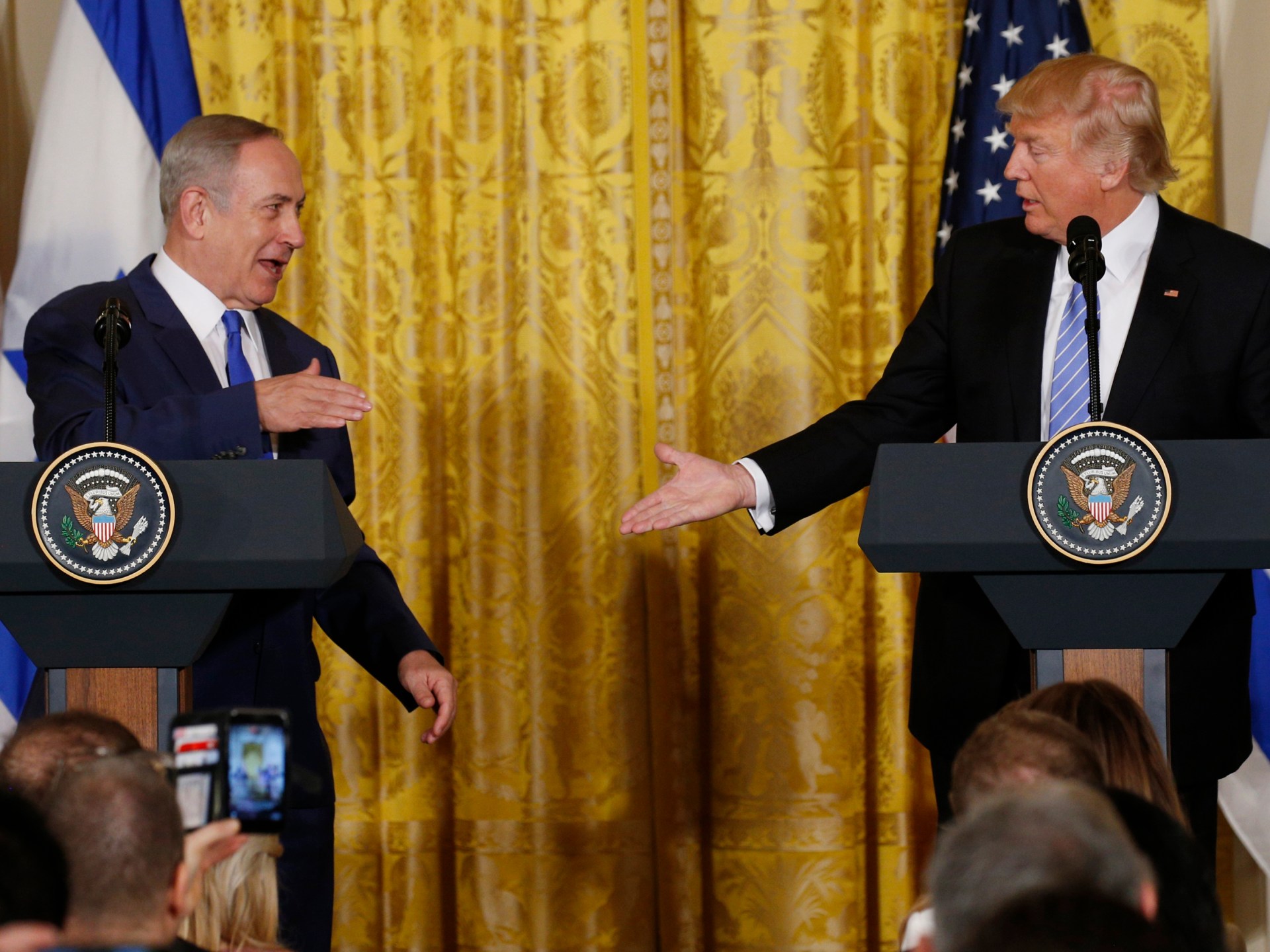
President Donald Trump’s public criticism of Prime Minister Benjamin Netanyahu over Israel’s actions in Lebanon has opened a new strain in US-Israel relations, according to Al Jazeera. The dispute matters because earlier confrontations between leaders in Washington and Israel often ended with continued military backing and closer security ties.
Al Jazeera reported that Israel has strongly opposed a US-Iran agreement signed Wednesday by Trump and Iranian President Masoud Pezeshkian to end hostilities on multiple fronts. The outlet said Israel has continued bombing Lebanon in what appeared to violate the deal.
Trump told reporters at the Group of Seven summit in France on Tuesday that Netanyahu “has to be more responsible” in Lebanon, according to Al Jazeera. He also said he was “not happy” with Israel’s invasion and its handling of Hezbollah.
Al Jazeera said Trump condemned Israel’s bombing of Beirut on Sunday shortly before the Iran agreement was set to be finalized. The outlet also reported that Israeli forces control about 20 percent of Lebanon and that Netanyahu and members of his cabinet have said the military will not withdraw.
Trump also criticized the level of destruction from Israeli strikes, Al Jazeera reported. “Too many people have been killed. And you do not have to knock down an apartment every time you are looking for somebody,” Trump said, referring to Israel’s tactics in Lebanon.
Axios reported on June 2, citing unnamed sources, that Trump called Netanyahu “f***ing crazy” and rebuked him over Israel’s escalation in Lebanon. Al Jazeera said nearly 4,000 people have been killed and 1.2 million displaced there.
Israeli media reported last year on strains tied to Trump’s Middle East trip, which excluded Israel, and Washington’s contacts with Iran and the Houthis, according to Al Jazeera. The outlet also said Trump, who brokered the Gaza ceasefire, pressed Netanyahu to accept that deal and reportedly told him, “Bibi, you can’t fight the world.”
Earlier confrontations
- Eisenhower and Ben-Gurion, 1956-57: Al Jazeera identified the Suez Crisis as one of the sharpest US-Israel confrontations. Israel joined Britain and France in attacking Egypt after Cairo nationalized the Suez Canal, and President Dwight Eisenhower demanded that Prime Minister David Ben-Gurion withdraw Israeli forces. Washington feared the war would increase Soviet influence in the Arab world, according to Al Jazeera.
- Bush and Shamir, 1991-92: President George Bush opposed Israeli settlement expansion after the Gulf War and delayed $10 billion in loan guarantees sought by Prime Minister Yitzhak Shamir, according to Al Jazeera. Bush publicly resisted pro-Israel lobbying on Capitol Hill, but the broader military relationship continued under later administrations.
- Clinton and Netanyahu, 1996-99: Al Jazeera reported that President Bill Clinton had a difficult early meeting with Netanyahu in 1996 as the Israeli leader opposed settlement limits tied to the Oslo process. Clinton later helped broker the 1998 Wye River Memorandum between Netanyahu and Palestinian leader Yasser Arafat.
- Obama and Netanyahu, 2009-16: Al Jazeera described this as one of the most public modern clashes, driven by settlements and the Obama administration’s Iran nuclear talks. Netanyahu addressed Congress in 2015 against Obama’s Iran policy without coordinating with the White House, but Obama later approved a $38 billion military aid package for Israel.
Yossi Mekelberg, a senior consulting fellow at Chatham House, told Al Jazeera that Trump and Netanyahu share a transactional political style, while Netanyahu believes he can manage US politics. Mekelberg also said US-Israel ties extend beyond any single leader, but bipartisan support for Israel in the United States has weakened.
Mekelberg told Al Jazeera that Israel was once widely seen in Washington as a strategic asset. Under Netanyahu, he said, Israel is increasingly viewed as a burden.
This story draws on original reporting from Al Jazeera.