
Trump Iran sanctions 2026 campaign hinges on China and Gulf cooperation
A new U.S. campaign seeks to isolate Iran, but its impact will depend on closing trade routes and limiting oil sales.
By Daniel Okafor · Business Editor
3 min read
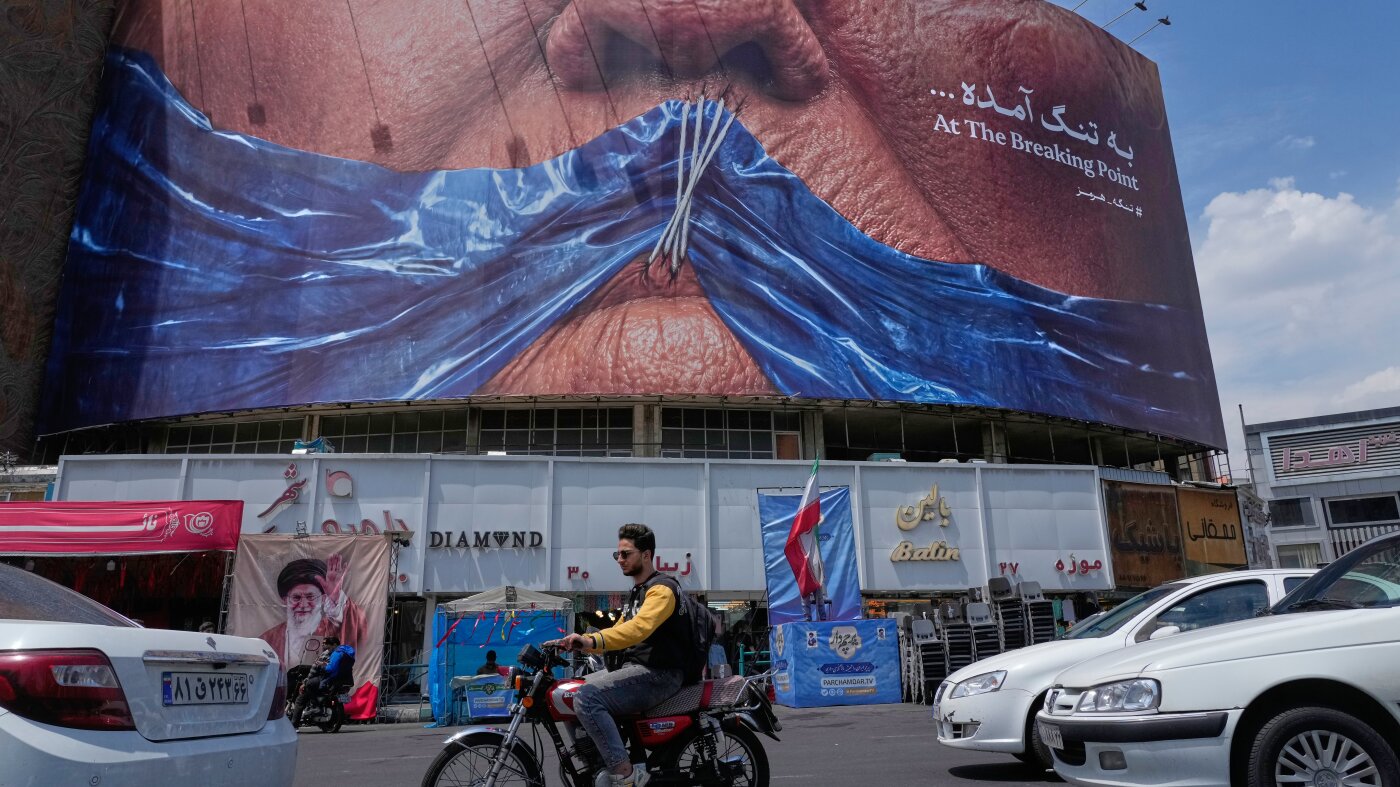
Treasury Secretary Scott Bessent has announced a new U.S. sanctions drive aimed at Iran and entities Washington says support it. The Trump Iran sanctions 2026 campaign arrives nearly six months into the U.S.-Israel war with Iran, after a 60-day ceasefire deadline failed, and its results will rest heavily on whether trading partners join the effort, according to NPR.
Bessent said the United States intends to cut off the economic channels that sustain Iran's government and warned countries still doing business with Tehran that they could face isolation as well. NPR reported that Treasury says it has identified networks, intermediaries and financial channels supporting Iran, and that countries will have time to alter their conduct before the United States acts.
Will Trump’s Iran sanctions force Tehran to change course?
The evidence so far points to an enforcement test rather than a clear answer. The campaign could put greater pressure on Iran if it restricts the trade, finance and oil routes Tehran has used to withstand earlier sanctions. But NPR reported that previous U.S. campaigns, including those during Trump’s first term, did not prevent Iran from maintaining revenue through smuggling and other evasion methods identified in Treasury investigations.
A significant early development is the United Arab Emirates’ announcement that it will halt trade and financial transactions with Iran. NPR described the UAE as Iran’s largest importer of goods in 2024, at roughly $21 billion, citing World Trade Organization figures. It has also been used as a route for bypassing sanctions in the past.
Miad Maleki, a former senior Treasury official now at the Foundation for Defense of Democracies, told NPR that countries in the region appeared to be making it harder for Iran to evade restrictions. NPR’s separate newsletter report said other Gulf governments had been more restrained in their public response.
Why does China matter to the sanctions campaign?
China is central because it is a major buyer of Iranian crude oil, NPR reported. Analysts told NPR that the effectiveness of the U.S. effort will depend on cooperation from countries that continue trading with Iran, particularly China.
Beijing has not endorsed Washington’s approach. A Chinese Foreign Ministry spokesperson said China opposes unilateral sanctions and does not believe pressure will solve the Iran crisis, NPR reported. That position does not establish how China or its companies will respond to the new measures, but it underscores the challenge of isolating Iran’s economy.
There is also a risk that more pressure produces a harder Iranian response rather than negotiations. Esfandyar Batmanghelidj, chief executive of the Bourse & Bazaar Foundation, told NPR that past periods of maximum pressure have brought maximum resistance from Iran and could prompt more aggressive regional actions. The available reporting does not establish the penalties, economic effects or whether this round of sanctions can deliver a change in Tehran’s policy.
This story draws on original reporting from NPR.