
Trump faults NATO allies over Iran war support in Rutte meeting
The US president criticized European NATO members at the White House as the alliance prepares for its July summit in Ankara.
By James Whitfield · Staff Writer
3 min read
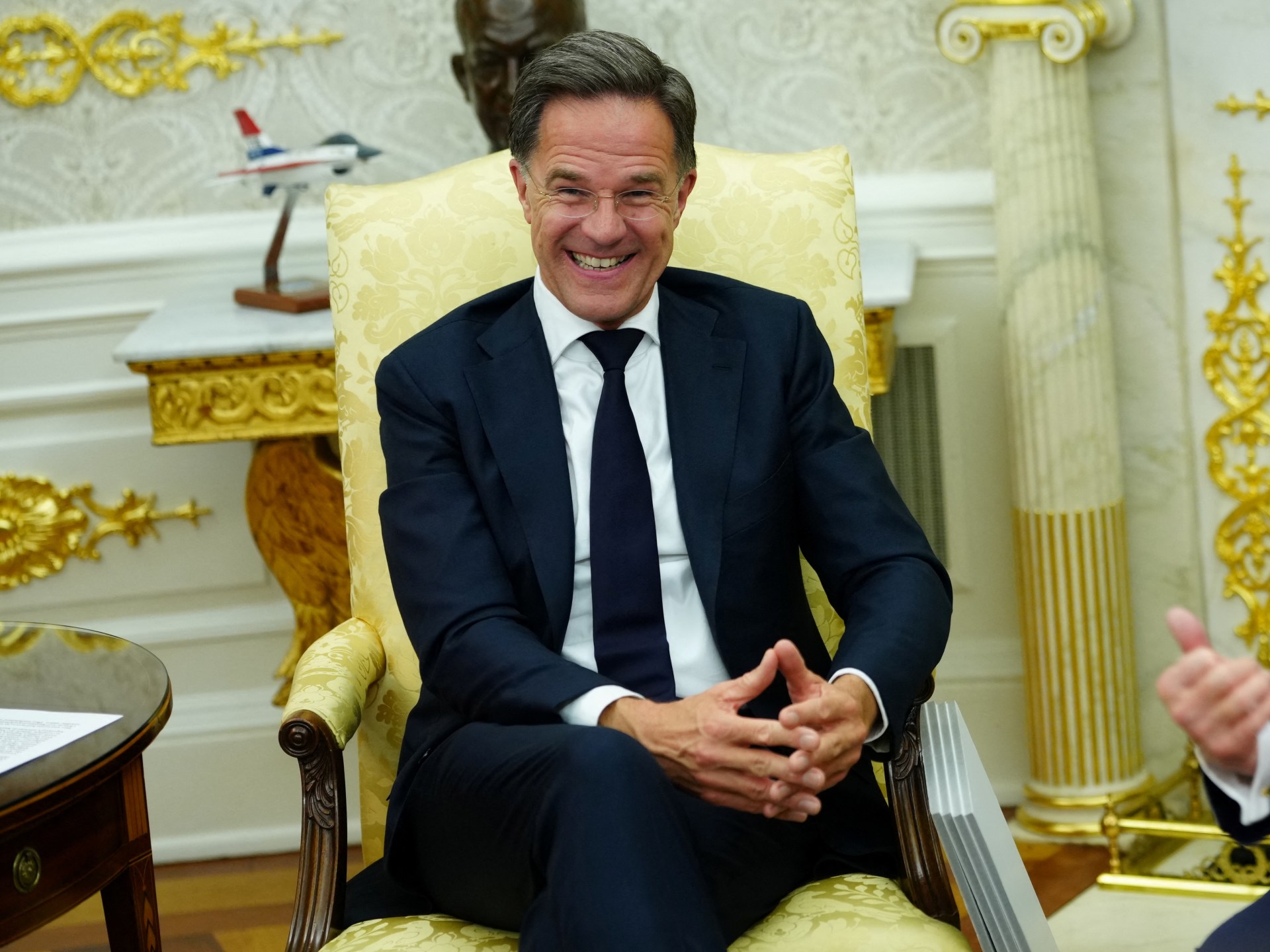
US President Donald Trump criticized European NATO members on June 24 for not joining the US-Israel war against Iran during an Oval Office meeting with NATO Secretary-General Mark Rutte, according to Al Jazeera, Reuters and The Associated Press. The exchange underscored strains inside the alliance less than two weeks before NATO’s annual summit in Ankara.
Trump told Rutte that the United States did not require European military help in the conflict but wanted a show of support, the news organizations reported. “We didn’t need help on this at all. We demolished them in literally the first week,” Trump said of Iran. “But it would have been nice if they would have said, ‘We’d like to help.’”
Trump said he planned to discuss the issue further with Rutte in private, according to the reports. “We’re going to be discussing what took place, and we’ll see what happens,” he said.
The meeting came after Trump had repeatedly expressed anger that European countries did not do more to support the US campaign against Iran, Al Jazeera, Reuters and AP reported. Trump has also publicly raised the possibility of reducing Washington’s role in the transatlantic alliance.
Rutte, who has been viewed as sympathetic to Trump, used the Oval Office appearance to show charts on rising defense spending among NATO members, according to the reports. Trump praised Rutte as a “great guy, great leader, great secretary-general,” while saying the United States had been “let down” by NATO.
Rutte praised the US attacks on Iran and called Trump the “leader of the free world,” Al Jazeera, Reuters and AP reported. He said the campaign was tied to Iran’s nuclear capabilities and accused Tehran of exporting “chaos” and “terrorism.”
Al Jazeera reported that there was no evidence Iran was close to obtaining nuclear weapons when the United States and Israel began attacks on February 28, while Washington was in talks with Tehran over Iran’s nuclear program. The outlet also reported that many experts criticized the military campaign as unprovoked and likely in breach of international law.
The war triggered weeks of conflict across the Middle East and affected the global economy, according to Al Jazeera. The outlet reported that the conflict killed thousands of Iranian civilians and temporarily displaced millions more.
US and Iranian delegates were in Switzerland earlier in the week discussing a tentative ceasefire memorandum signed on June 17, according to the reports. One major unresolved issue was control of the Strait of Hormuz, a key route for oil, fertilizer, natural gas and other goods.
Iran had blocked traffic through the strait during the war, and the June memorandum led Tehran to ease that pressure while talks continued, Al Jazeera, Reuters and AP reported. In March, while the blockade remained in effect, Trump called on NATO allies to send military forces to help secure the waterway and warned that failure to do so would be “very bad for the future of NATO.”
No NATO ally committed forces to the conflict, according to the reports. Rutte argued, however, that European allies had contributed by providing bases used by US aircraft, saying that “four to five thousand US planes” took off from European bases during the six-week war.
Rutte acknowledged Trump’s frustration but described the problems as limited, according to the news organizations. “I do agree there’s reason for disappointment, absolutely,” he said. “But my argument is this: These are isolated cases.”
This story draws on original reporting from Al Jazeera.