
Tripoli power cuts protests spread as roads and offices close
Protesters blocked roads and shut public buildings in Libya’s capital as anger grew over blackouts lasting up to 10 hours a day.
By Sofia Marchetti · World Affairs Correspondent
3 min read
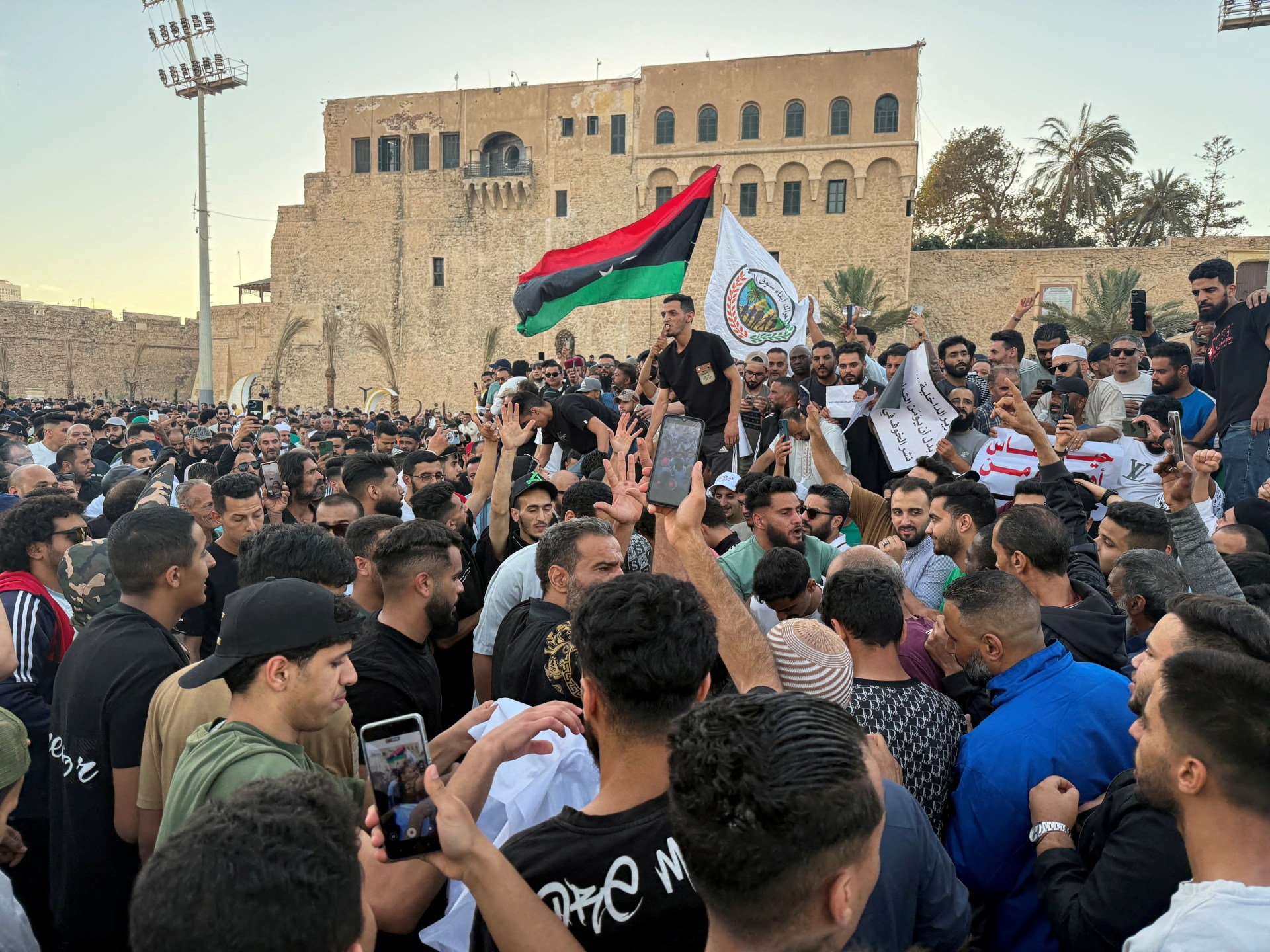
Tripoli power cuts protests have widened across Libya’s capital, with demonstrators blocking roads and closing public buildings during a civil disobedience campaign, Al Jazeera reported. The unrest matters because it links daily anger over electricity failures to broader demands against Libya’s rival political institutions.
According to Al Jazeera, crowds late Sunday blocked the coastal road in Janzour, west of Tripoli, and gathered outside the West Tripoli power station. Protesters also shut the local municipal council building as they objected to prolonged outages and high electricity rates.
Videos verified by Al Jazeera showed demonstrators burning tyres and closing major roads in other parts of the capital. The footage also showed protesters unloading dirt from a truck outside the Ministry of Foreign Affairs in Tripoli’s Sater Turba district to block access to the building.
Why are people protesting in Tripoli?
The immediate trigger is a return of long electricity cuts, which Al Jazeera said have reached up to 10 hours a day in Tripoli and other areas. The state-run General Electricity Company has reinstated load-shedding measures after two years of relative stability in the power network, according to the report.
The power cuts have added to public frustration over inflation, currency instability, fuel shortages, liquidity problems and Libya’s extended political deadlock. Protest groups cited other failing services as well, including water, education, health care and access to medicine.
The DPA news agency reported that mostly young protesters closed offices of the state telecoms operator Libyana in Souq Al-Jumaa. Demonstrators carried banners criticizing Prime Minister Abdulhamid al-Dabaiba, who leads the Government of National Unity.
The campaign was launched by the Souq Al-Jumaa Movement, according to Al Jazeera. The group has opposed the Government of National Unity since May 2025 and said its goal was to “completely paralyse the government” rather than disrupt ordinary life.
The movement called for accountability over alleged corruption and demanded the dissolution of Libya’s current political institutions. Those institutions include the Government of National Unity, the House of Representatives, the State Council and the Presidential Council.
The unrest also reached Tajoura, where the Tajoura Families and Youth Movement said it would start a full boycott of state institutions from Monday. The group rejected both the unity government and the House of Representatives, Al Jazeera reported.
In a statement cited by Al Jazeera, the Tajoura group said officials were focused on political conflicts while services continued to decline. It pointed to worsening electricity, water, education and health services, as well as fuel and cash shortages and a lack of medicine.
There was no immediate comment from the Government of National Unity, according to Al Jazeera.
Separately, Massad Boulos, the White House adviser for African affairs, said on X that he held a “productive call” with Dabaiba on Sunday. Boulos said they discussed steps toward Libyan unification, including security cooperation between eastern and western factions, and coordination with Africom.
Boulos said Washington remained committed to supporting Libya’s unification to help achieve peace, stability and prosperity. His comments came as protests in the capital underscored the pressure on Libya’s divided political leadership.
This story draws on original reporting from Al Jazeera.