
Tour concussion withdrawals show roadside testing gaps
Three Tour de France riders quit after post-stage concussion diagnoses, renewing scrutiny of cycling’s rapid roadside checks.
By Sofia Marchetti · World Affairs Correspondent
3 min read
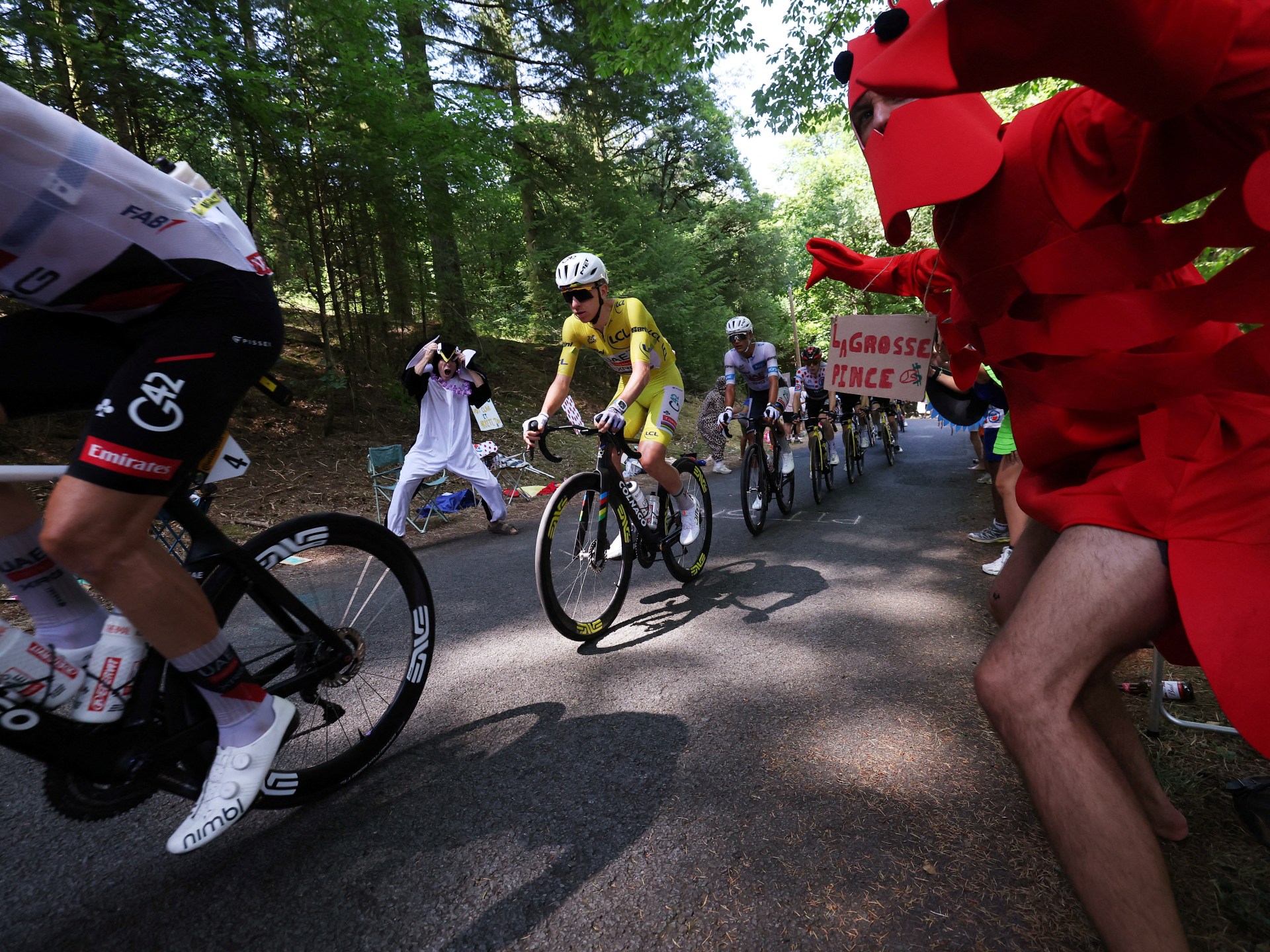
Three Tour de France riders left the race after being diagnosed with concussion following crashes they initially rode on from, Reuters reported. The cases have renewed attention on the limits of quick checks in a sport where riders can lose time by stopping.
Reuters reported that eight riders had abandoned the race since it began in Barcelona on July 4, and three of those exits were because of concussion. They were Clement Berthet of Groupama-FDJ United, Alex Molenaar of Caja Rural-Seguros RGA and Torstein Traeen of Uno-X Mobility, who had briefly held the yellow jersey.
Each rider crashed, completed the stage and withdrew later that evening after the diagnosis was made, according to Reuters. Berthet fell during the opening team time trial, Molenaar crashed 5km from the finish of stage five, and Traeen came down the next day on the Col du Tourmalet descent while racing in the leader’s jersey.
Xavier Bigard, medical director of the International Cycling Union, told Reuters that it was unsatisfactory to see concussion identified only after riders had returned to competition. Bigard said cycling had improved its handling of head injuries, but the race environment still makes immediate decisions hard.
Protocol relies on fast first checks
The UCI introduced its concussion protocol at the start of the 2021 season, Reuters reported. Bigard began work on the system after joining the governing body in 2018, a period that included French rider Romain Bardet continuing for nearly 90km after a crash at more than 60km/h in 2020 despite having a concussion.
Under the current process described by Reuters, the first person to reach a fallen rider must assess them. That person is often a team mechanic, and if they identify at least two visible indicators — including nausea, head or neck pain, limb weakness, disorientation or poor balance — the rider must be removed from the race.
If those signs are not detected, Reuters reported, the rider may resume racing and can later be checked by the race medical car or a team vehicle. That in-race assessment includes basic questions about the race situation, and it can still lead to a withdrawal.
Mathieu Le Strat, medical director of Groupama-FDJ United, told Reuters that roadside checks are brief and take place under pressure. He said a full concussion assessment takes 10 to 15 minutes and includes several tests, which cannot be done at the roadside during a stage.
Symptoms can change after a crash
Florence Pommerie, the Tour de France’s chief doctor since 2010, told Reuters that concussion is hard to identify because it has no single clear marker and depends on several signs. She said she had not seen any of the three riders return to the medical car after their crashes.
Bigard told Reuters that some symptoms can appear at once and fade, while others may show up only later. That can explain why a rider passes an initial check but receives a concussion diagnosis after the stage, he said.
Pascal Chanteur, vice president of the CPA international riders’ union, told Reuters that the sport now has full awareness of concussion risk. Bigard said education remains a challenge in elite cycling because performance pressures are strong, and he described improvement as a long-term process.
This story draws on original reporting from Al Jazeera.