
Iran lawmakers seek new Hormuz rules as fighting with US resumes
Iranian lawmakers introduced a Strait of Hormuz bill after renewed US-Iran attacks raised pressure on one of the world’s key energy routes.
By Daniel Okafor · Business Editor
4 min read
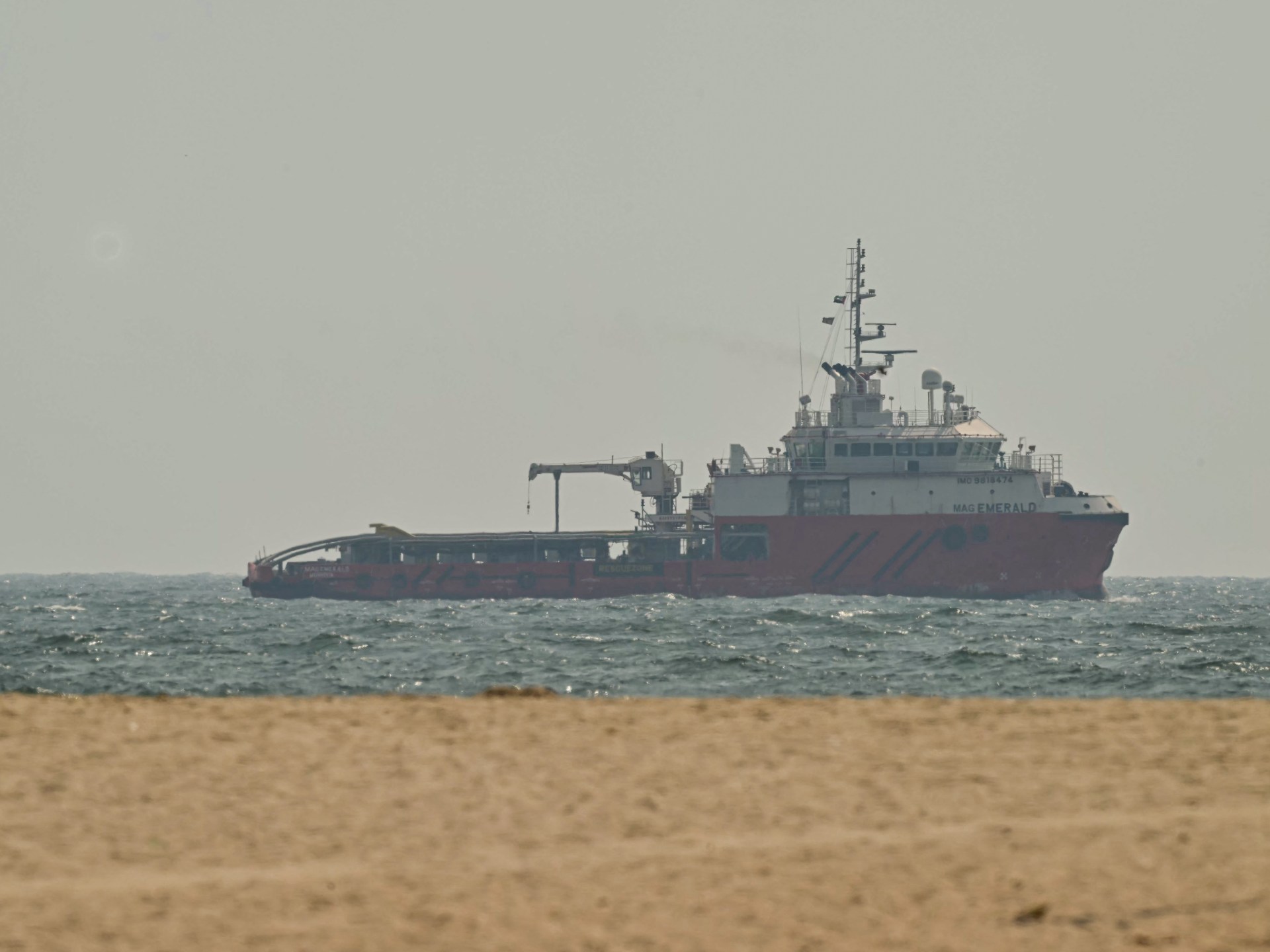
Iranian legislators have put forward a plan to tighten Tehran’s control over the Strait of Hormuz, Al Jazeera reported, as renewed fighting with the United States threatens shipping through a major global energy route. The move could endanger a memorandum of understanding the two sides signed last month over the strategically vital waterway.
The proposal was introduced during an unannounced session of Iran’s parliament on Monday night, according to Al Jazeera. The chamber, which Al Jazeera described as dominated by hardliners, had reconvened after nearly five months of confrontation with Washington.
Lawmakers waved religion-based red flags of vengeance for Supreme Leader Ayatollah Ali Khamenei and other senior officials killed on February 28, the first day of a war launched by the US and Israel, Al Jazeera reported.
The measure is titled the “Strategic Action for the Security and Sustainable Progress of the Strait of Hormuz and the Persian Gulf,” according to Al Jazeera. It has not yet been publicly released in full and could be debated or approved in later parliamentary sessions.
Ebrahim Azizi, the head of parliament’s national security commission, wrote on social media Tuesday that Iran remained firm on its “red lines,” especially the management of the Strait of Hormuz. “This is the first step; subsequent measures are forthcoming,” he wrote.
Draft rules would target US and Israeli-linked ships
Al Jazeera reported that Iranian lawmakers have discussed similar legislation for months, especially among those opposed to negotiations with Washington. The goal, according to that report, is to formalize Iranian control and sovereignty over the strait, where one-fifth of global energy passes during peacetime.
An earlier draft published by Iranian state media in May would block US- and Israeli-flagged vessels, as well as military, intelligence or other “hostile” ships tied to countries or individuals acting against the Tehran-backed “axis of resistance,” Al Jazeera reported. Under that draft, Iran’s armed forces would decide which vessels fell into those categories.
The May version also would require ships to obtain permits, declare cargo, pay fees and use the name “Persian Gulf,” according to Al Jazeera. Ships that failed to comply could be denied passage or face confiscation of up to 20 percent of cargo value, with proceeds directed to Iran’s military and reconstruction of infrastructure, the report said.
US President Donald Trump said Monday that Washington planned to collect fees equal to 20 percent of ships’ cargo value as the new “guardian” of the Strait of Hormuz, Al Jazeera reported. Trump said the strait would remain open for vessels using a US-backed southern route near Oman, a route Tehran rejects.
Iranian Foreign Minister Abbas Araghchi responded by welcoming Trump’s recognition that fees were needed, according to Al Jazeera. Araghchi said Iran would charge a lower, “fair” rate as the strait’s “forever” guardian.
Air attacks and market pressure
Iranian authorities said the US military has carried out hundreds of air attacks against Iran over the past week, hitting at least 11 provinces and killing more than 20 people, Al Jazeera reported. Bandar Abbas and other cities and islands near the Strait of Hormuz have taken the heaviest strikes, while Tehran has not been hit in the latest escalation, according to the report.
The Islamic Revolutionary Guard Corps and Iran’s army have fired projectiles at US assets in Bahrain, Kuwait, Jordan and other regional countries, saying they targeted air defense missile systems, radars and military logistics, Al Jazeera reported. Multiple tankers and commercial vessels have also been struck in the strait, while other ships were warned to turn back, according to the report.
Omani Foreign Minister Badr Albusaidi, whose government has mediated alongside Qatar, Pakistan and others, said Monday that complex talks had begun to form a framework to guarantee freedom of navigation, Al Jazeera reported. The same report said prospects for a quick settlement dimmed after the US announced a renewed naval blockade of southern Iran and rescinded waivers for Iranian oil exports and transactions.
The escalation has hit Iranian markets. Al Jazeera reported that the rial traded at about 1.85 million to the dollar on Tehran’s open market Tuesday, close to a record low of 1.9 million reached in May, while the Tehran Stock Exchange’s main index lost another 42,000 points and remained below 5 million.
This story draws on original reporting from Al Jazeera.