
Toronto’s 1918 anti-Greek riots draw renewed scrutiny
Historians say the attacks on Greek-owned businesses in Toronto show how quickly xenophobia can turn into violence.
By Lucas Ferreira · Science & Environment Writer
3 min read
A century after mobs attacked Greek-owned businesses in Toronto, historians and community advocates are calling attention to a violent episode they say was pushed out of public memory. Thomas Gallant, a historian who has studied the riots, told Al Jazeera the events offer a warning as anti-immigrant sentiment rises in Canada and elsewhere.
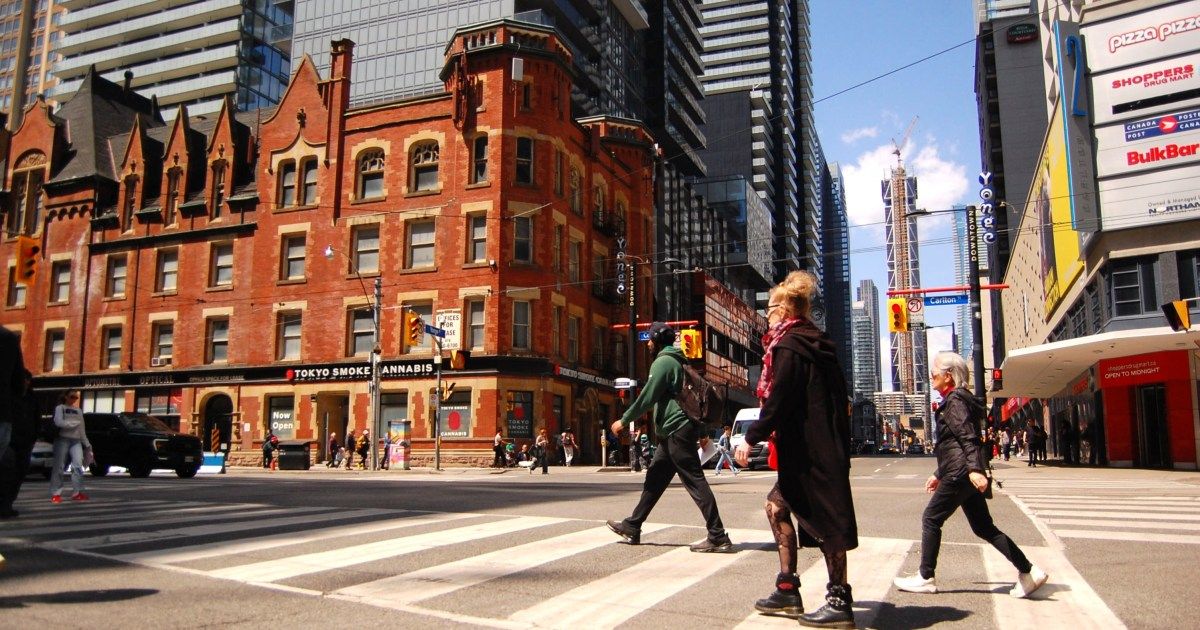
The unrest began in August 1918 on Yonge Street, in what is now the centre of Canada’s largest city. Gallant said crowds of about 20,000 to 25,000 people targeted Greek restaurants and shops, destroying almost every Greek business in Toronto at the time.
Veterans’ anger and a visible immigrant community
Gallant told Al Jazeera that the attacks followed years of tension around World War I, returning soldiers and resentment toward Greek immigrants. Canada lost tens of thousands of soldiers during the war, and more than 172,000 came home wounded, while Gallant said many veterans found little government support, poor medical care and no disability pensions.
According to Gallant, most Greek immigrants in Canada did not serve in the war, partly because officials were wary that some might sympathise with Greece’s King Constantine I, who was viewed as pro-German. Gallant said naturalised Greeks were not formally barred from military service, but he found enlistment papers for only about 10 who were accepted.
In Toronto, Gallant said Greek immigrants made up less than 1 percent of the city’s population in 1918 but owned more than one-third of its inexpensive restaurants and diners. He said returning soldiers often saw young Greek men working in those businesses and came to treat them as symbols of draft avoidance and wartime unfairness.
The White City Cafe attack
The immediate trigger, according to Sandra Gionas of the Hellenic Heritage Foundation, was an incident at the White City Cafe, a Greek-owned restaurant at 433 Yonge Street. Gionas told Al Jazeera that a drunk Canadian veteran, Claude Cludernay, became abusive toward staff, was arrested and spent the night in jail.
By the next day, Gionas said, rumours had spread among veterans that Greek immigrants had beaten or killed Cludernay. A crowd gathered outside the cafe and attacked it despite efforts by owner Paul Letros to calm people, she said.
Gionas said the violence spread over the weekend to more than a dozen Greek-owned businesses across Toronto. Al Jazeera reported that the damage reached tens of thousands of dollars at the time, equal to millions today, and that no deaths or serious injuries were reported.
A story pushed aside
The riots drew newspaper coverage in Canada and abroad, including reports in the Toronto Daily Star and the Globe and Mail on August 3, 1918. Gallant told Al Jazeera that much of the public discussion blamed the Greek community rather than the attackers, with even Toronto’s mayor saying soldiers’ complaints should be examined and that Greeks had not done their fair share for the war.
Gallant said attention soon shifted to other postwar issues, including labour unrest that culminated in the Winnipeg General Strike of 1919. Within Toronto’s Greek community, he said, families focused on rebuilding and assimilating, helping the riots fade from public discussion.
Gallant co-wrote a book on the riots in the early 2000s, and a 2009 documentary later brought the story to a wider audience. Gionas told Al Jazeera she first learned of the events through that documentary and was surprised that such a major episode had been absent from her understanding of Canadian history.
Gallant and Gionas said the history remains relevant as Canada debates immigration amid housing pressures and high prices. Gallant told Al Jazeera that in periods of war, economic stress or national crisis, societies often look for groups to blame, and in Toronto in 1918, Greek immigrants became that target.
This story draws on original reporting from Al Jazeera.