
Supreme Court blocks damages suit over prison haircut
The justices ruled that a Rastafari former prisoner cannot seek money from individual guards under a federal religious rights law.
By James Whitfield · Staff Writer
3 min read
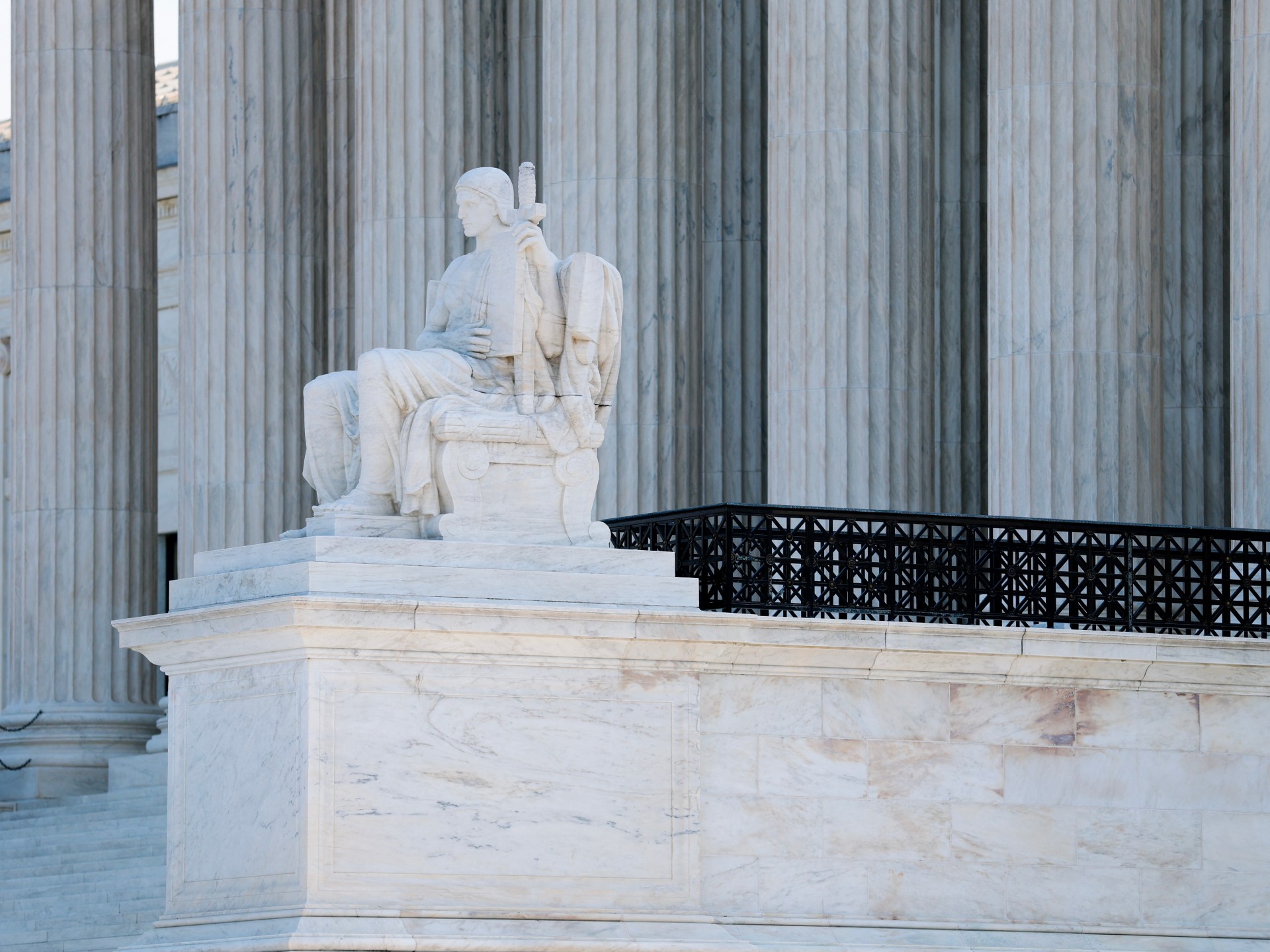
The US Supreme Court ruled Tuesday that a Rastafari former prisoner may not seek damages from individual prison employees who cut off his dreadlocks. The decision limits the reach of a federal law designed to protect the religious rights of people held in prisons and other institutions.
In a decision by the court’s six conservative justices, Justice Neil Gorsuch wrote that Damon Landor’s case could not go forward against the prison staff under the Religious Land Use and Institutionalized Persons Act, known as RLUIPA. The law protects incarcerated people from government actions that substantially burden their religious exercise.
Gorsuch did not decide that Landor’s rights were respected, according to the opinion. He said the statute allows obligations to be imposed on state or local entities that accept federal money, but does not make individual employees personally liable for damages unless they have consented to that liability.
“Mr. Landor’s case cannot proceed against them any more than a breach of contract action might proceed against a defendant who never formed a contract,” Gorsuch wrote for the majority.
The ruling left in place a lower court decision that barred incarcerated people from recovering money damages from individual workers under RLUIPA, even when a rights violation is alleged. The Supreme Court’s majority treated the statute as tied to federal funding conditions accepted by government institutions, rather than as a direct damages law against employees.
Landor served a five-month sentence in Louisiana in 2020, according to court filings. As a Rastafari adherent, he kept his hair in dreadlocks as part of his faith.
When he entered the prison system, Landor carried a copy of a 2017 appeals court ruling that said cutting a religious prisoner’s dreadlocks violated federal law, according to the filings. Prison staff initially accommodated him, but that changed after he was moved to the Raymond Laborde Correctional Center in Louisiana.
At that facility, a guard threw away Landor’s legal document and the warden ordered his hair cut, according to the filings. Two guards held him down while a third shaved his head, the filings said.
Landor said through his lawyers that he would keep seeking accountability despite the Supreme Court’s ruling. “I am disappointed but not defeated,” he said in the statement. “What happened to me violated my faith and my dignity. I will continue pursuing accountability. What happened to me should not happen to anyone else.”
The court’s three liberal justices dissented. Justice Ketanji Brown Jackson wrote that RLUIPA is a law, not a contract, and said prison officials would have little reason to follow its protections if they faced no consequences for violating them.
“It is not often that a real-life incident so clearly illustrates Congress’s reasons for adopting legislation, or the Constitution’s wisdom in enabling it,” Jackson wrote.
This story draws on original reporting from Al Jazeera.