
Sudan minister says war has redrawn country’s population map
Mutasim Ahmed Saleh said displacement, poverty and lost livelihoods are reshaping Sudan as the civil war enters its fourth year.
By Sofia Marchetti · World Affairs Correspondent
3 min read
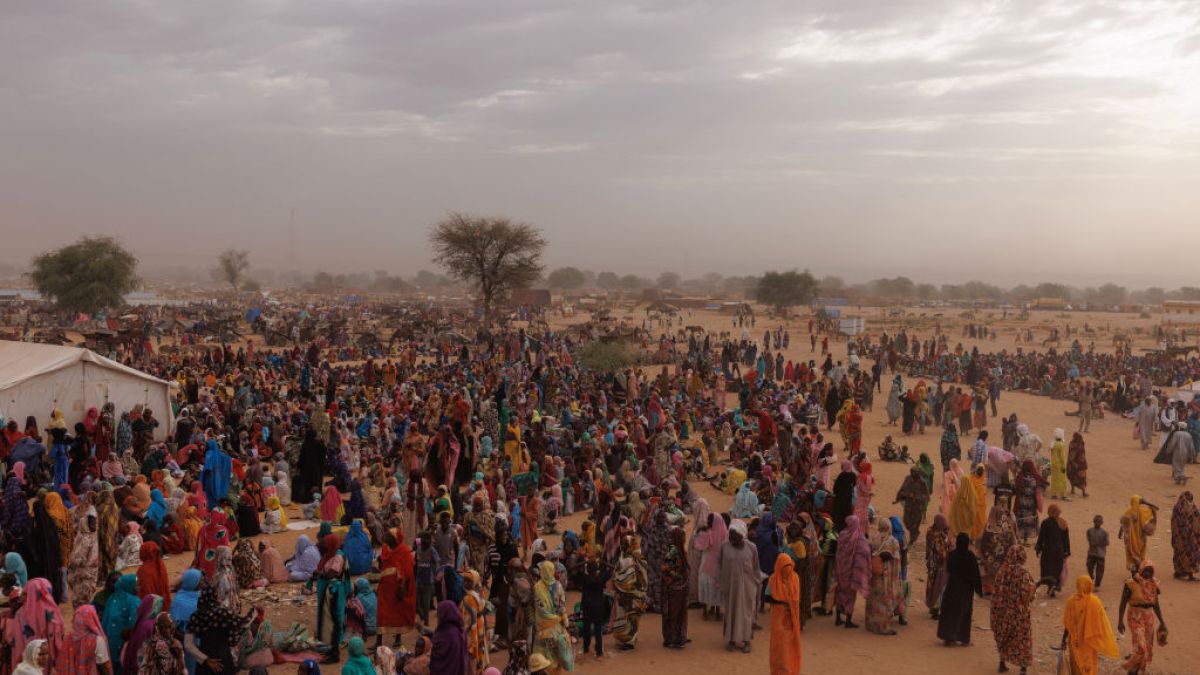
Sudan’s civil war has altered where people live, how they work and how the state must plan for recovery, Human Resources and Social Development Minister Mutasim Ahmed Saleh told Al Jazeera Arabic. His comments point to a demographic crisis layered on top of mass displacement, hunger and collapsing services.
Sudan has been at war since April 2023, when fighting broke out between the army and the paramilitary Rapid Support Forces. The conflict has killed an estimated 200,000 people and uprooted more than 11 million, creating what the United Nations describes as the world’s largest humanitarian crisis.
Saleh said the war’s main effects on Sudan’s population include wider poverty, the loss of income for many citizens, damaged basic services in several areas, and weakening labour markets and human capital. He said his ministry is working with the National Population Council and other state bodies to connect population policy with social protection programmes.
The minister said those efforts would also cover voluntary refugee returns, reintegration for internally displaced people and human resource development. Saleh said investing in people was an investment in Sudan’s future, and linked population stability with economic and social empowerment.
Displacement changes the map
Before the war, official data projected Sudan’s population would pass 64 million by 2035. The population was about 44.4 million in 2020, with growth forecast at roughly 2.39 percent, one of the higher rates globally.
The conflict has displaced millions inside Sudan, including in South Darfur, North Darfur and Central Darfur, and has pushed tens of thousands to neighbouring countries such as Egypt, South Sudan and Chad. In eastern Chad, refugee numbers have swelled as people fleeing Darfur join those displaced by earlier conflicts.
Sudan’s youth-heavy population adds another layer to the crisis. Experts cited by Al Jazeera said about 70 percent of Sudanese were under 30 at the time of the last census in 2008, a structure that could support economic development if jobs, education and stability are available.
Saleh’s ministry said young people already faced limited education access, few work opportunities and widespread poverty before the war. The fighting has made them among the groups most affected, the ministry said.
Returns bring new pressures
Khalid Saad, director of the Sudanese Center for Development Communication, told Al Jazeera that Sudan’s population problems predate the current conflict. He said the country has long had an uneven population distribution despite its large territory and natural resources.
Saad said the war has intensified that imbalance by emptying some areas, overloading other cities and sending people across borders. He also said returns to territory retaken by government forces do not end the crisis, because many returnees go back to places where economic infrastructure has been badly damaged.
The National Population Council’s data shows Sudan’s urban population reached about 17.9 million in 2020. Khartoum accounted for about 42 percent of the country’s urban residents, a sign of internal migration linked to unequal development.
The International Organization for Migration said about 4.1 million people have gone back to their areas of origin across Sudan. More than 80 percent returned from elsewhere inside the country to nine states, led by Khartoum, Gezira and Sennar.
The IOM also said internal displacement has dropped 23 percent from its January 2025 peak, when nearly 12 million people were displaced within Sudan. Even so, Sudan remains in its fourth year of war with infrastructure broken, essential services disrupted and aid deliveries hampered by shortages, access problems and besieged areas.
This story draws on original reporting from Al Jazeera.