
Sudan conflict el-Obeid focus grows after army claims highway
Sudan's army says it retook a key Khartoum-el-Obeid highway as the RSF siege leaves hundreds of thousands at risk.
By Sofia Marchetti · World Affairs Correspondent
3 min read
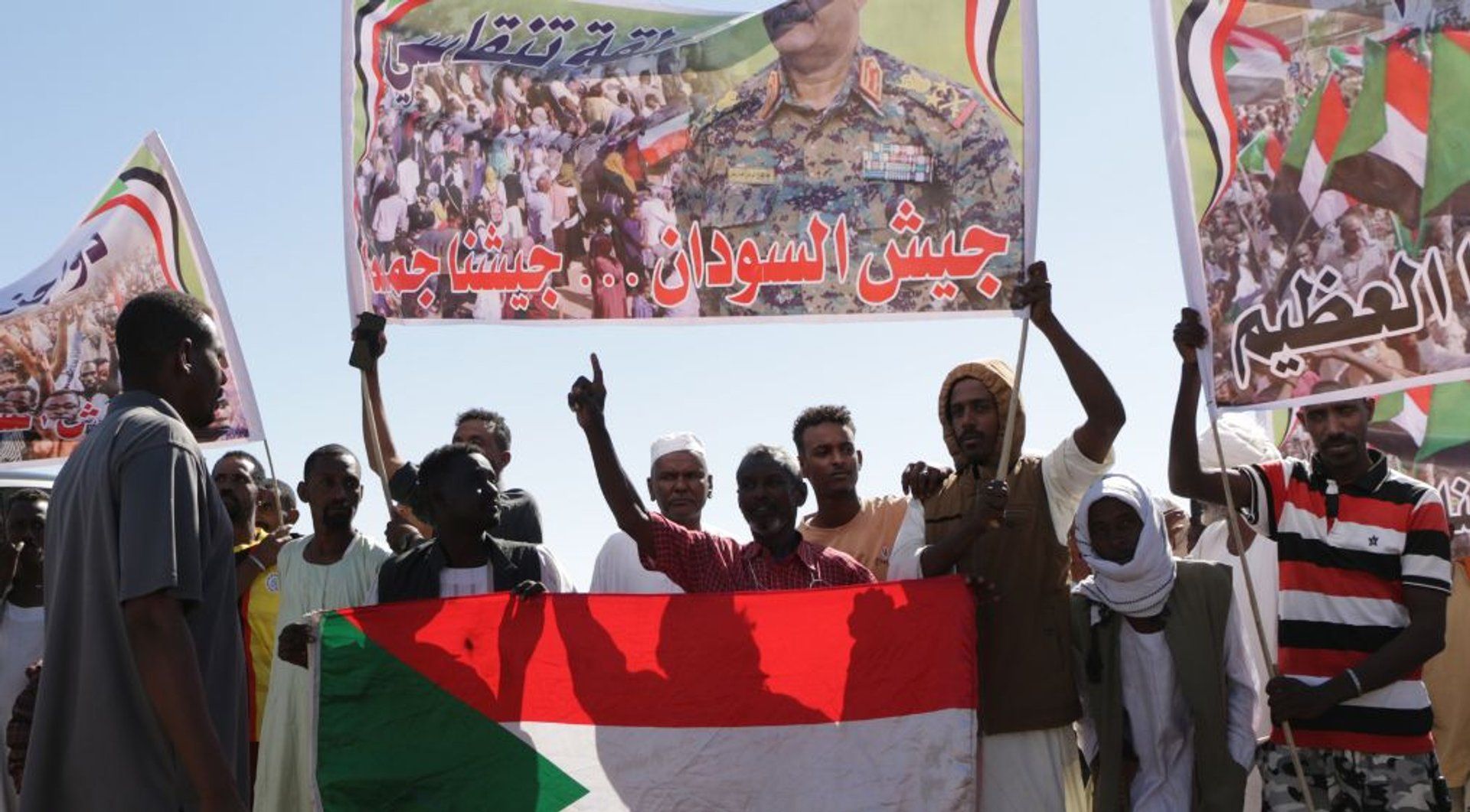
The Sudan conflict el-Obeid front has drawn new attention after the Sudanese army said it had retaken a major road linking the city with Khartoum. Al Jazeera reported that the highway could weaken the paramilitary Rapid Support Forces, which have been besieging el-Obeid.
The claim comes after three years of war between Sudan’s army and the RSF. Al Jazeera described the fighting as having devastated the country and produced the world’s largest humanitarian crisis.
More than 13 million people have been displaced, according to Al Jazeera, while tens of thousands of civilians have been killed. More than half of Sudan’s population needs aid, the health system is in ruins, and millions of children are not in school, Al Jazeera reported.
What is happening in el-Obeid?
Recent fighting has centered on el-Obeid, a city Al Jazeera said is under siege by paramilitary forces. The army’s reported recapture of the main highway to Khartoum could affect RSF positions around the city, but civilians remain in danger.
Al Jazeera reported that hundreds of thousands of people are still trapped in el-Obeid. The report did not give a timeline for when the siege might end or whether the road is open for civilians, aid groups or commercial traffic.
The city’s position matters because the highway connects it to Sudan’s capital. Control of that route could shape access, military movement and pressure on the RSF, according to Al Jazeera’s framing of the development.
What has the war done to Sudan?
The war has left much of Sudan in a state of emergency. Al Jazeera reported that displacement has reached more than 13 million people, placing Sudan at the center of the world’s largest humanitarian crisis.
The damage extends beyond immediate battlefield areas. Al Jazeera said the country’s health system is in ruins and that millions of children are out of school, while aid needs now cover more than half the population.
Both the Sudanese army and the RSF have been accused of war crimes and other abuses, according to Al Jazeera. The report did not detail the specific allegations in the programme summary.
Who is discussing how the fighting could stop?
Al Jazeera’s 28-minute programme on the war was presented by James Bays. The guests were Sanosi Zakaria, editor-in-chief of the Sudan Mirror and a former Sudanese army officer; Shashwat Saraf, Sudan country director for the Norwegian Refugee Council; and Elbashir Idris, a Sudan analyst.
The programme was published on July 28, 2026, as attention turned to whether the army’s reported highway gain near el-Obeid could change the course of the fighting. Al Jazeera framed the central question as what it would take to stop the conflict after years of devastation.
This story draws on original reporting from Al Jazeera.