
Strait of Hormuz talks test Iran and Oman over shipping control
Iran and Oman have exchanged competing plans for Hormuz shipping as the closed waterway remains a flashpoint for energy trade.
By Daniel Okafor · Business Editor
3 min read
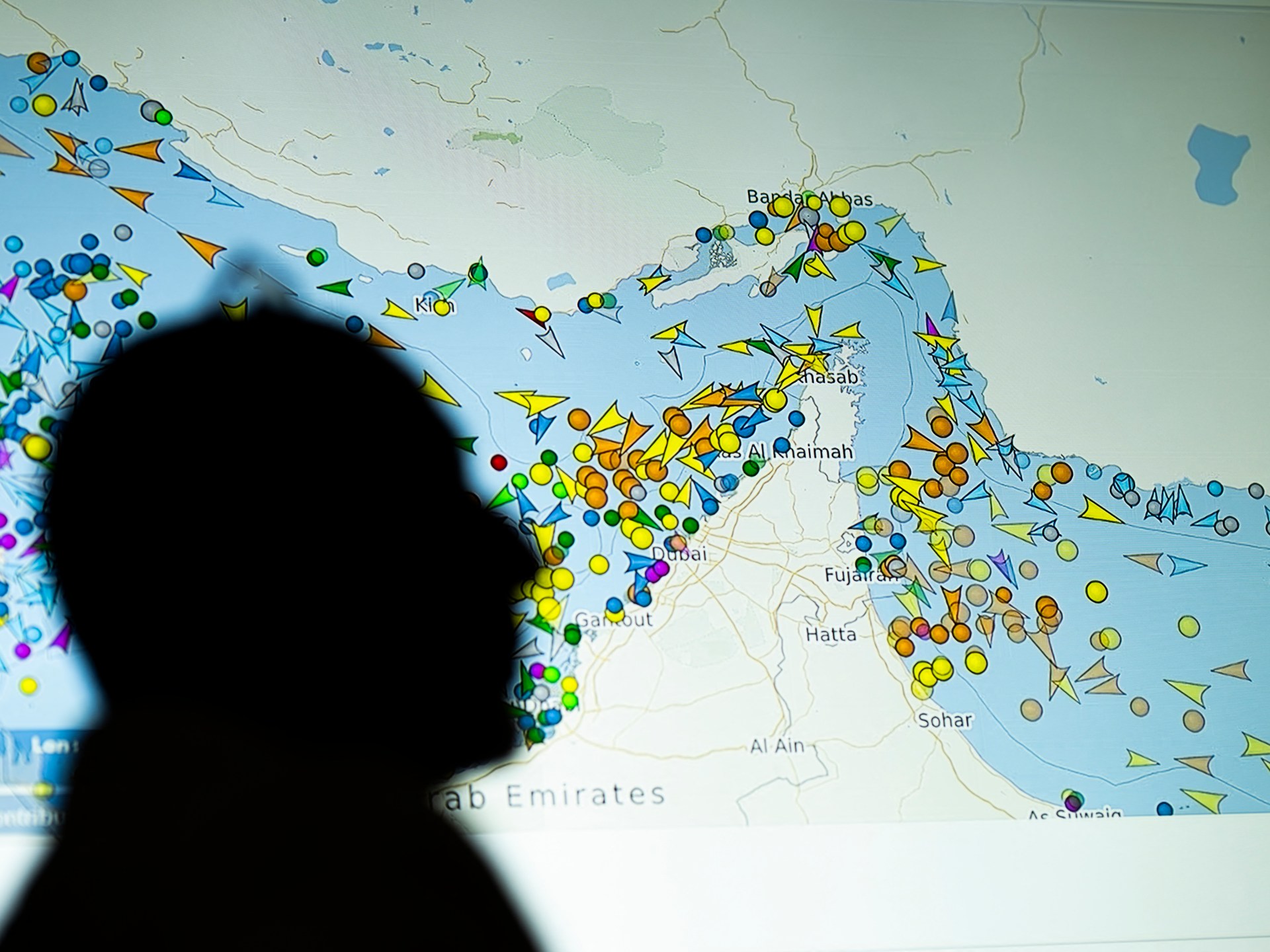
Strait of Hormuz talks between Iran and Oman have produced competing proposals over who controls ship traffic, how fees would work and how the waterway could reopen. The dispute matters because the strait carried one-fifth of global energy supplies before the US-Israel war on Iran began on February 28, according to Al Jazeera.
Reuters reported Tuesday that Oman has put forward a plan for a regional system to run the waterway, including voluntary payments from ships. An unnamed Gulf source and a Western diplomat told Reuters the plan has backing in the region and would prevent Iran from exercising sole control over the strait.
Oman’s proposal is modeled on arrangements in the Strait of Malacca, according to Reuters. In that passage, Indonesia, Malaysia and Singapore seek voluntary contributions from vessels to pay for navigation, environmental protection and search-and-rescue services.
What is the dispute over the Strait of Hormuz?
The Strait of Hormuz is a strategic passage bordered by Iranian and Omani territorial waters. The current dispute centers on whether shipping routes should be divided equally, whether Iran should control traffic on its side, and whether ships should pay fees to use the waterway.
Kazem Gharibabadi, Iran’s deputy foreign minister for legal and international affairs, told Iranian state media that Tehran rejects an Omani proposal for an equal split of transit routes. He said such an arrangement would fail to meet Iran’s security concerns.
Gharibabadi said Iran has instead proposed that Tehran manage vessels passing through its own side of the strait, while Oman would manage part, though not all, of the opposite lane. He also said Iran has no plans to negotiate with the United States, while talks with Oman continue gradually.
Gharibabadi warned that Iran would consider any measure to keep control over the strait, including a return to war. Tehran has said the waterway cannot return to the prewar arrangement in which shipping moved freely, according to Al Jazeera.
Al Jazeera correspondent Resul Serdar, reporting from Tehran, said Oman is now suggesting three maritime lines: one through Iranian waters, one international route and one through Omani waters. Serdar said sources told Al Jazeera that Iran is showing some flexibility despite its public statements.
Al Jazeera correspondent Tohid Asadi said several issues remain unsettled, including vessel routes, fees, who sets the terms and mine clearance. Mine clearance would reportedly fall to Iran.
How would the fee proposals differ?
Paul Musgrave, a professor at Georgetown University in Qatar, told Al Jazeera that Oman’s effort to get traffic moving again is a positive step, though it is unclear whether Iranian hardliners will accept it. He said the Malacca model brings in about $70m a year through voluntary payments.
Musgrave contrasted that with a reported Iranian proposal for a $1m-per-ship service fee in the Strait of Hormuz. The size and structure of any payments remain among the points still being discussed.
Gulf Cooperation Council foreign ministers also met by video call Tuesday to discuss the conflict and cooperation on freedom of navigation through the waterway, according to a statement from Qatar’s Foreign Ministry.
The United States suspended a nearly two-week air campaign against Iran over the weekend after regional mediators pressed for diplomacy, according to Al Jazeera. The mediators also urged a return to a June memorandum of understanding intended to allow shipping to resume through the Strait of Hormuz.
This story draws on original reporting from Al Jazeera.