
South Sudan marks 15 years of independence with peace deal stalled
Activists and aid workers say insecurity, weak services and delayed reforms still shadow the country’s post-2011 hopes.
By Lucas Ferreira · Science & Environment Writer
3 min read
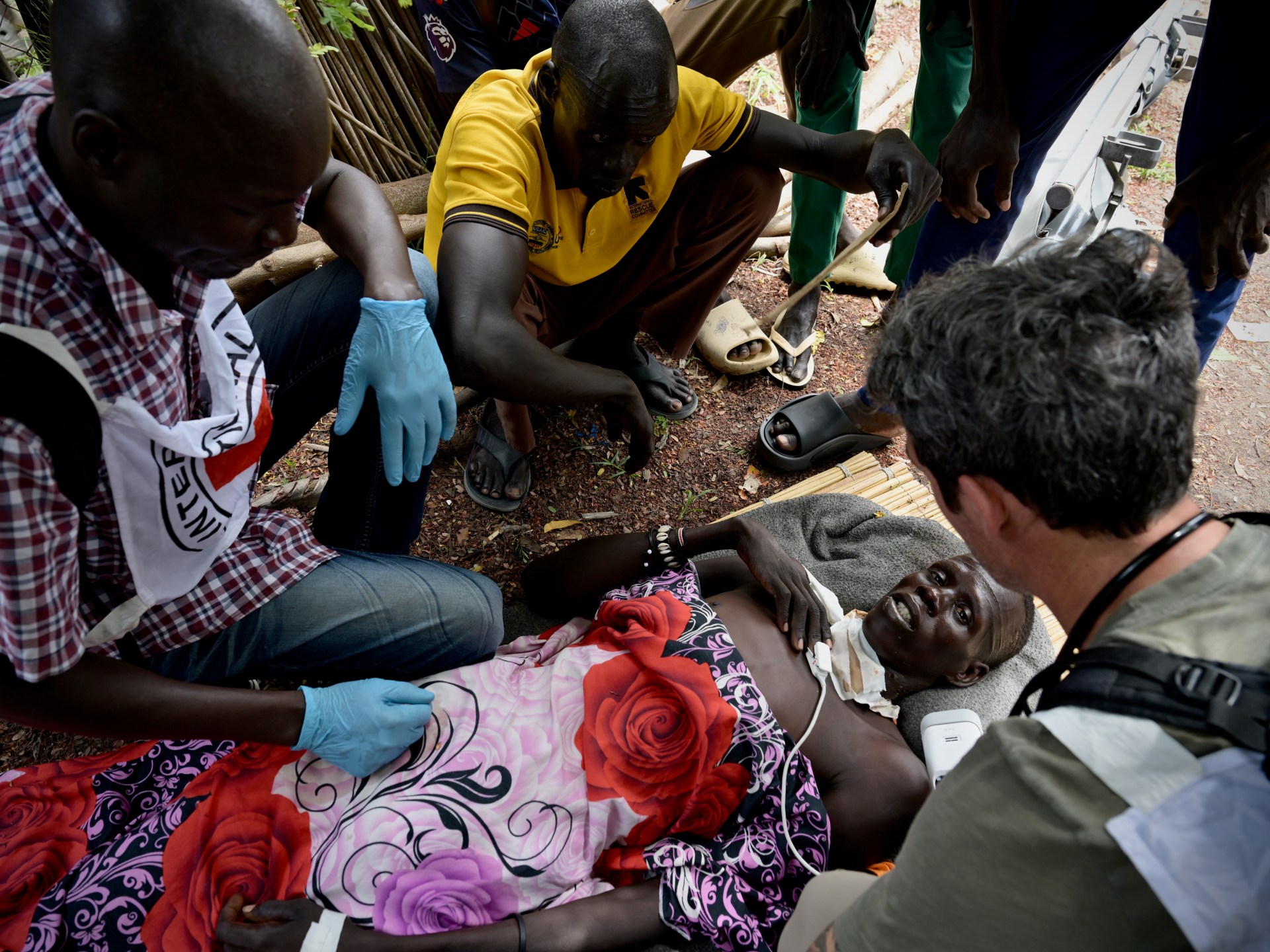
South Sudan marked 15 years of independence on July 9 with its central peace process under strain and basic services still out of reach for many citizens. Activists, analysts and aid workers told Al Jazeera that the promise that accompanied statehood in 2011 has been eroded by conflict, poverty and stalled reforms.
The country became independent after decades of war with Sudan, but then fell into its own civil war from 2013 to 2018. Researchers have estimated that conflict killed hundreds of thousands of people, according to Al Jazeera.
The 2018 Revitalised Agreement on the Resolution of the Conflict in South Sudan largely halted the nationwide fighting, Al Jazeera reported. Analysts and humanitarian groups said implementation has slowed, leaving many people waiting for improvements in security, public services and political accountability.
Services remain scarce
Sabila Sebit, an activist from Western Bahr el Ghazal State, told Al Jazeera that access to healthcare and clean water remains severely limited. She said local and intercommunal violence continues to disrupt daily life across much of the country.
Sebit also said the peace deal’s 35 percent affirmative action quota for women has not been fully carried out. She told Al Jazeera that bills intended to strengthen women’s rights remain unfinished.
Women’s rights activist Zabib Musa Loro Bakhit told Al Jazeera that communities are dealing with intercommunal attacks, revenge killings, cattle raiding and civilian deaths attributed to unidentified gunmen. Bakhit also cited conflict-related sexual violence, early marriage, land grabbing, worsening economic conditions and hunger among the pressures facing families.
Thomas Batista Balash, a Juba resident, told Al Jazeera that the anniversary is a time to assess both progress and unresolved problems. He said corruption, tribal politics and weak institutions continue to damage public trust and make reconciliation necessary.
Al Jazeera reported that many South Sudanese face high inflation, unemployment, unpaid public-sector wages and limited access to education, healthcare and safe water.
Aid needs grow
Humanitarian agencies are under rising pressure from conflict, climate shocks and the arrival of more than 1.2 million returnees and refugees escaping the war in Sudan, according to Al Jazeera.
Kieran Seager, the International Committee of the Red Cross spokesperson in Juba, told Al Jazeera that demand for trauma care has increased as fighting has intensified. He said the ICRC carried out 266 medical evacuations in the first six months of 2026, 50 percent more than during the same period last year.
Seager said many patients were sent to Juba Military Hospital, which he described as operating beyond capacity. The ICRC provides surgery, physiotherapy, mental health care and psychosocial support for weapon-wounded patients, but Seager said insecurity, poor roads and seasonal flooding continue to restrict humanitarian access.
Elections ahead
James Boboya Edimond, chief executive of the Institute of Social Policy Research, told Al Jazeera that the 2018 agreement remains the strongest available path toward stability. He said recent assessments show less than 25 percent of its provisions have been implemented.
Edimond identified delayed security reforms, including the verification and deployment of unified forces, as a major weakness in the transition. He also cited weak institutions, fiscal limits, poor local government capacity and continued displacement.
South Sudan is scheduled to hold its first post-independence elections on December 22, 2026. Edimond told Al Jazeera that credible polls depend on full implementation of the peace agreement, a completed constitution-making process, security, and civic and voter education.
Government officials told Al Jazeera that extending the transitional period was needed to complete unfinished parts of the peace deal. They said stability is improving in many areas, while acknowledging that serious challenges remain.
This story draws on original reporting from Al Jazeera.