
Skyroot launches India’s first private orbital rocket
The Vikram-1 mission placed customer payloads in low-Earth orbit, marking a first for India’s private space sector.
By James Whitfield · Staff Writer
2 min read
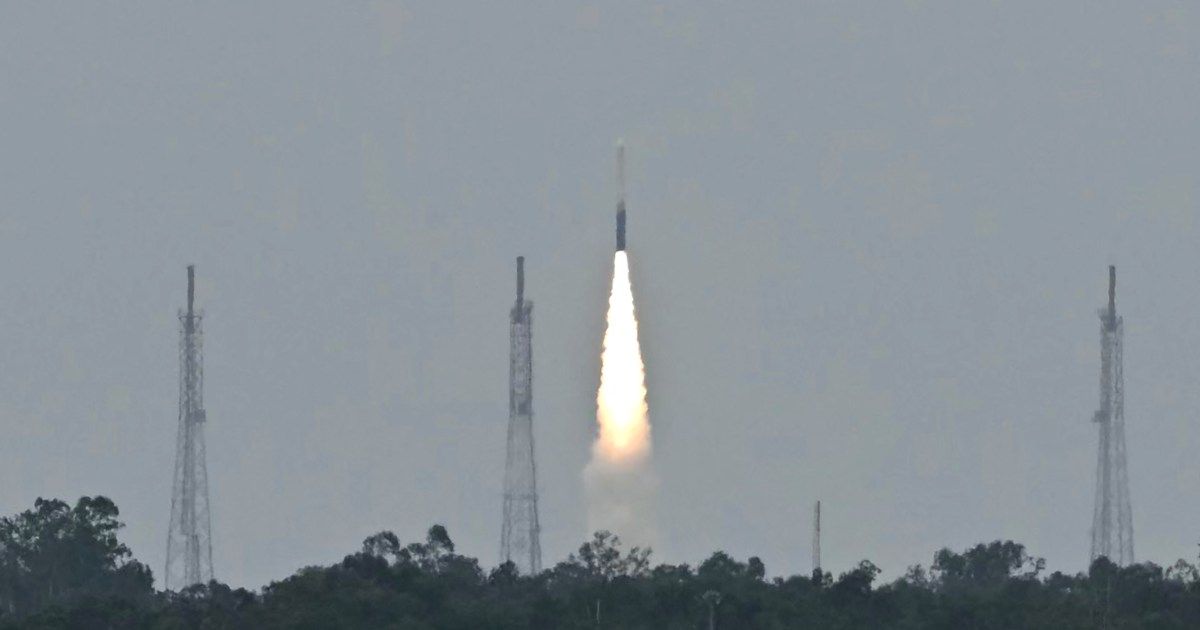
India’s first private-sector orbital rocket has placed customer payloads in low-Earth orbit, according to AFP and Reuters. The launch gives New Delhi a new marker in its effort to expand its role in the commercial space economy.
Skyroot Aerospace’s Vikram-1 lifted off on July 18 from the Satish Dhawan Space Centre in Sriharikota, in the southern state of Andhra Pradesh, the agencies reported. The three-stage rocket is 22 metres long and deployed its payloads into an orbit about 450km, or 280 miles, above Earth.
AFP and Reuters reported that the flight made India the third country to gain orbital launch capability through a private company. Skyroot said the mission tested the rocket’s propulsion, avionics, telemetry, guidance, navigation and control systems in flight.
The company says Vikram-1 can carry payloads of up to 350kg, or 772lb. The rocket is also fitted with robotic arms designed to remove debris in space, according to AFP and Reuters.
The mission carried customer payloads along with experimental equipment, a lab-grown diamond and a small 18-carat gold sculpture honoring India’s national space programme, the agencies reported.
Prime Minister Narendra Modi welcomed the launch, saying it would “encourage countless youngsters to dream bigger and innovate fearlessly”. Skyroot marked the flight on X with the message: “Hello space, we have arrived!”
Skyroot, founded in 2018, is part of a group of Indian space startups that have drawn global investor interest since India opened more of the sector to private companies, according to AFP and Reuters. The company became India’s first space-sector firm to reach a $1bn valuation earlier this year, the agencies reported.
The Vikram-1 flight follows Skyroot’s Vikram-S mission in 2022. That earlier launch reached space on a suborbital flight but did not put payloads into orbit, according to the agencies.
Skyroot plans more test flights before it begins regular commercial launches, AFP and Reuters reported. The company’s progress comes alongside India’s state-run space programme, which has recorded several high-profile missions in recent years.
India’s national programme put 104 satellites into orbit on a single rocket in 2017, setting a record at the time, according to AFP and Reuters. In 2023, India became the fourth country to complete a lunar landing when Chandrayaan-3 touched down near the moon’s south pole, the agencies reported.
This story draws on original reporting from Al Jazeera.