
Sheikha Al Mayassa says late father put Qatar above power and acclaim
In an Al Jazeera essay, the Qatari royal described her father’s rule, abdication and family life as guided by service to the country.
By Lucas Ferreira · Science & Environment Writer
3 min read
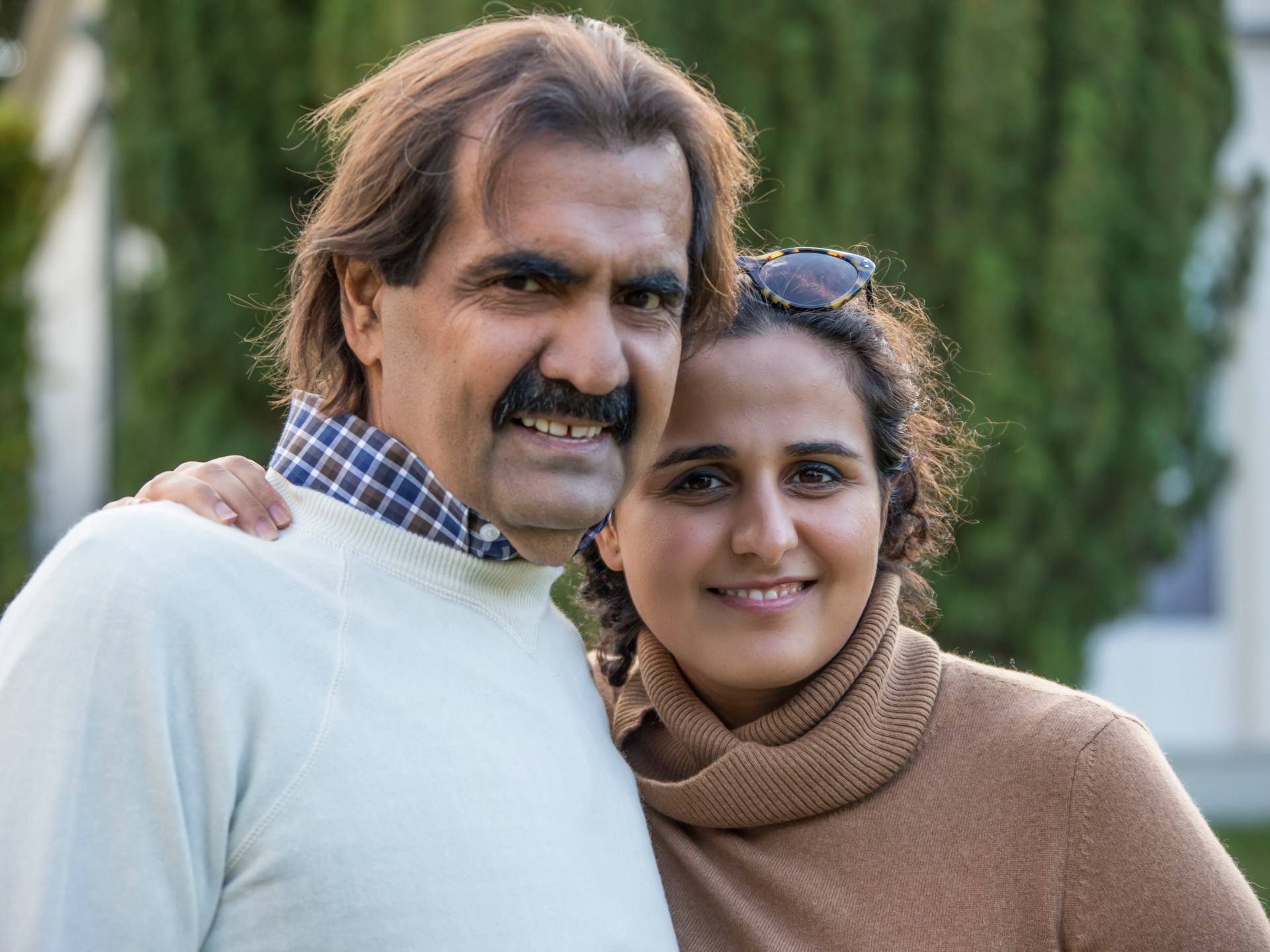
Sheikha Al Mayassa bint Hamad bin Khalifa Al Thani has written a public tribute to her late father, portraying him as a leader who placed Qatar’s interests ahead of status or personal recognition. The essay, published by Al Jazeera on July 17, frames his political legacy and family life around the Arabic saying “المقياس قطر,” which she explains as meaning that Qatar is the measure for every action.
Al Mayassa said the phrase has guided her own work and came from her father, whom she calls “Yuba.” In her account, he treated national service as a constant duty, with affairs of state present during workdays and family holidays alike.
She wrote that her father’s aim in taking power was to turn Qatar from poverty into a strong economy while keeping people at the center of development. She also said he relinquished power because he believed it was time for her brother to carry the country’s leadership into a new generation.
A daughter’s account of leadership
Al Mayassa described her father’s abdication as unusual for the region but, in hindsight, the right decision. She said that in their final moments together, he spoke with pride about her brother and trusted him to continue the work he had begun.
She also credited her father with empowering her as firmly as his sons. According to her essay, he encouraged her studies in the United States and Paris, arranged internships during her summers and pushed her toward public responsibilities from a young age.
Al Mayassa wrote that she began working with him the day after graduating from university in 2005. Within days, she said, they were traveling internationally, including to Chicago, New York, Tokyo and Singapore.
She said she was 23 when he asked her to take charge of the Museum of Islamic Art. After the museum opened, she recalled, he immediately asked which museum would come next, reflecting what she described as his belief that cultural projects could support social and economic development.
Media, culture and public life
Al Mayassa said her father abolished censorship and created Al Jazeera after coming to power. She wrote that she believes the broadcaster was his proudest achievement, not only for Qatar but for the wider Arab world.
She said he wanted Arab voices strengthened across media, education, culture, film and sport. She also described him as a leader who preferred dialogue in conflict and encouraged disagreement as a way to reach better decisions in Qatar’s interest.
Her essay also depicted a ruler who stayed close to daily life in the country. Al Mayassa said he would drive through new developments and neighborhoods in the afternoons and sometimes visit people at home to ask how they were doing.
Mourning and legacy
Al Mayassa presented her father’s private life as inseparable from his public values. She wrote that he respected her mother, praised her role in family and society, and expected the same discipline at home that he demanded at work.
She said family lunches often included politicians, thinkers, writers, artists and longtime friends. She described him as curious, inclusive and informal, saying he often introduced himself by his first name.
In closing, Al Mayassa said mourners from Qatar and abroad had come to pay respects during days of grief. She wrote that honoring her father now means staying united, disciplined and focused on serving Qatar and the region.
This story draws on original reporting from Al Jazeera.