
Sebastia UNESCO listing raises Palestinian hopes over West Bank site
Palestinian officials welcomed UNESCO’s listing of Sebastia, while Israel rejected it and plans land seizures around the archaeological site.
By Sofia Marchetti · World Affairs Correspondent
3 min read
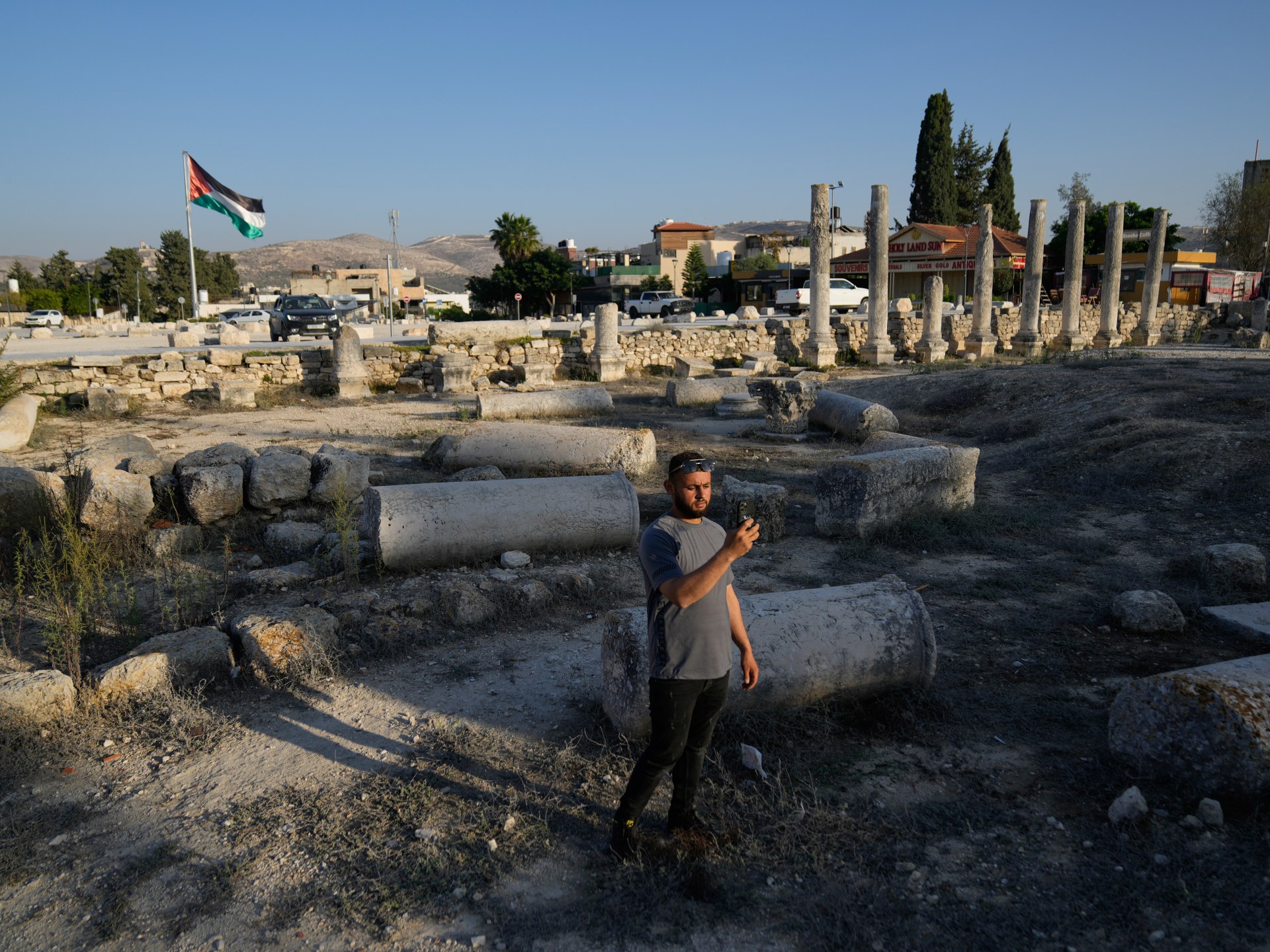
Palestinian officials welcomed the Sebastia UNESCO listing as a possible barrier to Israeli control over a major archaeological site in the occupied West Bank, Al Jazeera reported. Israel rejected the move and called it political, according to Al Jazeera.
UNESCO added Sebastia to the World Heritage list and to its list of World Heritage in danger, according to Palestinian officials cited by Al Jazeera. Nizar Kayed, Sebastia’s deputy mayor, told Reuters he hoped the decision would help protect the ancient city.
Kayed linked the UNESCO move to an Israeli confiscation order, saying it would damage the area’s cultural and historical character and harm local livelihoods. He also described the order as part of settlement expansion in the area, Reuters reported.
What is the Sebastia UNESCO listing about?
UNESCO’s World Heritage listing recognises places considered to have outstanding universal value, while the danger list identifies sites facing serious threats. Palestinian Tourism and Antiquities Minister Hani al-Hayek said the World Heritage Committee recognised Sebastia for its layered archaeological record and long history as an urban, political and religious centre.
Al-Hayek said UNESCO placed the site on the danger list because of threats linked to Israeli occupation, including planned land confiscations, possible changes to the site’s historical and archaeological character, and limits on protection and conservation work. He said his ministry would work with local and international partners on UNESCO recommendations, including updating the site management plan and strengthening monitoring.
Sebastia’s archaeological zone includes Roman columns, ancient walls, stone steps and an amphitheatre, with olive trees around the site, according to Al Jazeera. The nearby Palestinian village has the same name, and many residents rely on tourism for income.
Israeli authorities have announced a plan to seize about 180 hectares, or 445 acres, at and around the site, saying the purpose is preservation and development, Al Jazeera reported. Palestinian officials have also raised concerns about an Israeli bill that would extend Israeli control over archaeological sites in the West Bank.
Under the Oslo agreements of the 1990s, the Palestinian Authority has limited self-rule in parts of the West Bank, according to Al Jazeera. Palestinian officials say the proposed Israeli legislation would remove Palestinian Authority oversight of archaeological sites in areas under its administrative control.
Why is Sebastia important?
Al Jazeera described Sebastia as one of the West Bank’s most important archaeological sites, with origins dating back more than 3,000 years. It is believed to be the location of Samaria, the ancient capital of the Kingdom of Israel.
The city expanded during the Roman period under Herod the Great, who renamed it Sebaste in honour of Emperor Augustus, according to Al Jazeera. The site also includes remains associated with Hellenistic and Byzantine periods and is considered sacred by Christians and Muslims because of its association with the tomb of the Prophet Yahya, or John the Baptist.
UNESCO status does not mean Israel must give up control over Sebastia, Al Jazeera reported. The outlet cited earlier cases in which Israel continued policies opposed by UNESCO, including in Hebron’s Old City and around occupied East Jerusalem’s Old City.
This story draws on original reporting from Al Jazeera.