
Trump again says Saudi-Israel normalization is required for nuclear deal
Trump said Riyadh must join the Abraham Accords before a US-Saudi nuclear pact proceeds, adding a condition to a deal signed this week.
By Sofia Marchetti · World Affairs Correspondent
3 min read
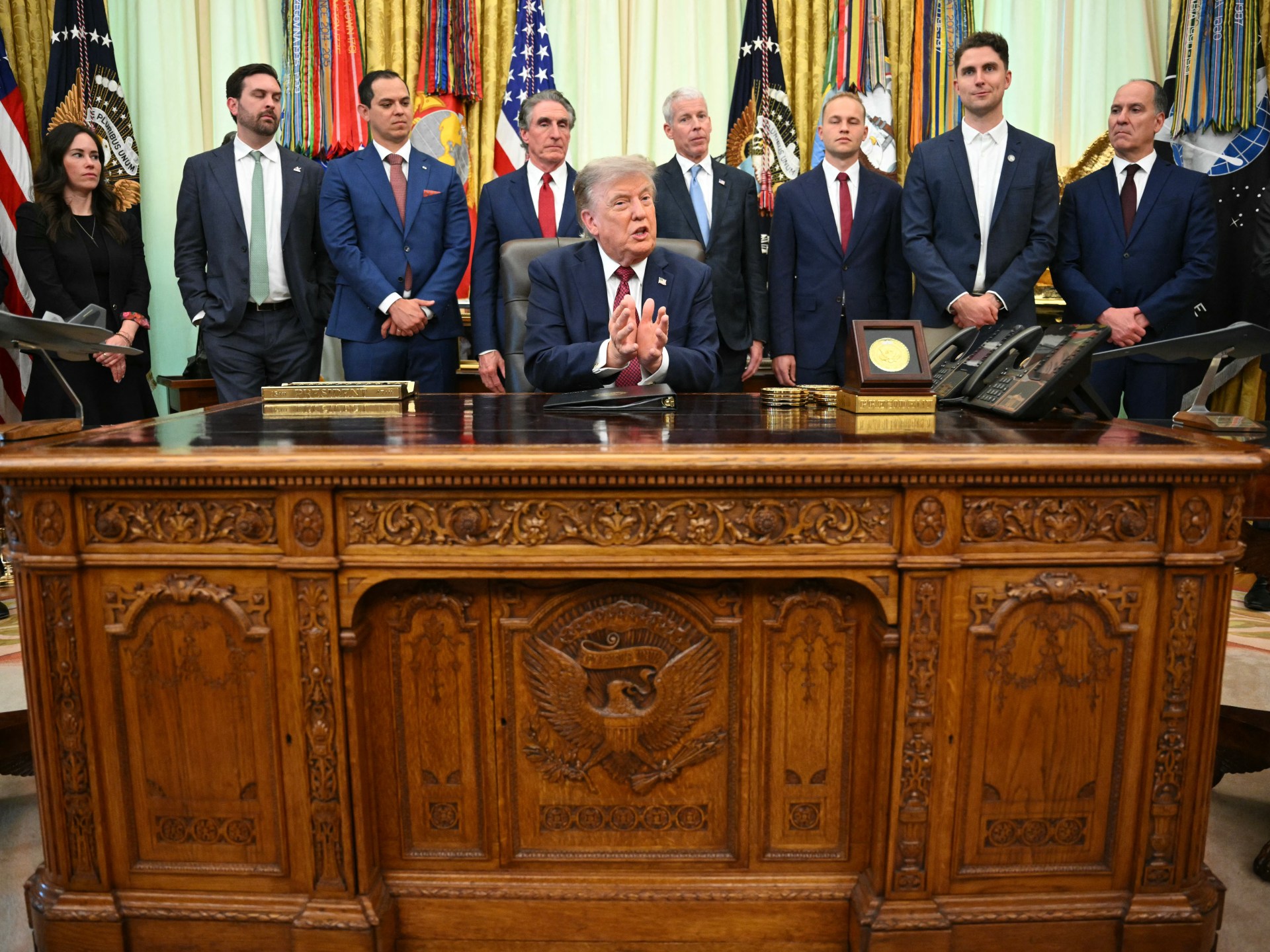
US President Donald Trump said Friday that Saudi-Israel normalization must come before a US civil nuclear agreement with Riyadh can move ahead. The condition matters because the pact is expected to run for 30 years and transfer US nuclear technology and expertise to Saudi Arabia.
Asked whether the Department of Energy had moved ahead of him by announcing the agreement without the Israel requirement, Trump said no. He said Saudi Arabia had to become part of the Abraham Accords, adding that “it’s time” for Riyadh to do so.
What did Trump say about Saudi-Israel normalization?
Trump said the Saudi nuclear deal was tied to Riyadh joining the Abraham Accords, the framework under which Saudi Arabia would establish formal relations with Israel. He said he had not discussed the accords with Energy Secretary Chris Wright before the agreement was signed, but said the condition was understood by Wright and by Saudi Arabia.
The US and Saudi Arabia signed the nuclear cooperation agreement on Wednesday. A day later, Trump wrote on social media that Riyadh would first have to normalize relations with Israel before the nuclear pact could proceed.
Saudi Arabia has not responded to Trump’s latest statement. Riyadh has long said it will not establish formal ties with Israel without a clear route to Palestinian statehood, a position Al Jazeera reported is opposed by Israel’s current government.
What is in the US-Saudi nuclear deal?
The Trump administration described the agreement as a “decades-long, multibillion-dollar partnership” and said it would be sent to Congress for review. The full text of the deal has not been released.
Energy Secretary Chris Wright said Wednesday that the agreements showed a shared US-Saudi commitment to strengthening commercial relations, supporting prosperity at home and security for allies abroad. Saudi Arabia’s Ministry of Energy said the agreement would help diversify energy sources, support advanced technologies and expand cooperation and investment between the two countries.
Some US media reports have suggested the agreement could allow Saudi Arabia to enrich uranium domestically instead of importing nuclear fuel from the United States. Trump later said there “will be no enrichment of material.”
Secretary of State Marco Rubio said Thursday that the arrangement would not lead to nuclear proliferation because US contractors would carry out the work, giving Washington oversight. Al Jazeera reported that Westinghouse, a US nuclear reactor designer, is believed to be a major contractor.
The dispute over the Israel condition adds a political test to an agreement the administration had first presented in commercial and security terms. For Riyadh, the issue also connects the nuclear deal to its stated demand for progress toward Palestinian statehood before any formal recognition of Israel.
This story draws on original reporting from Al Jazeera.