
Rubio says US willing to talk with Iran but questions Tehran’s intent
The US secretary of state said Washington remains open to talks as US strikes on Iran continue and tensions rise over the Strait of Hormuz.
By Sofia Marchetti · World Affairs Correspondent
3 min read
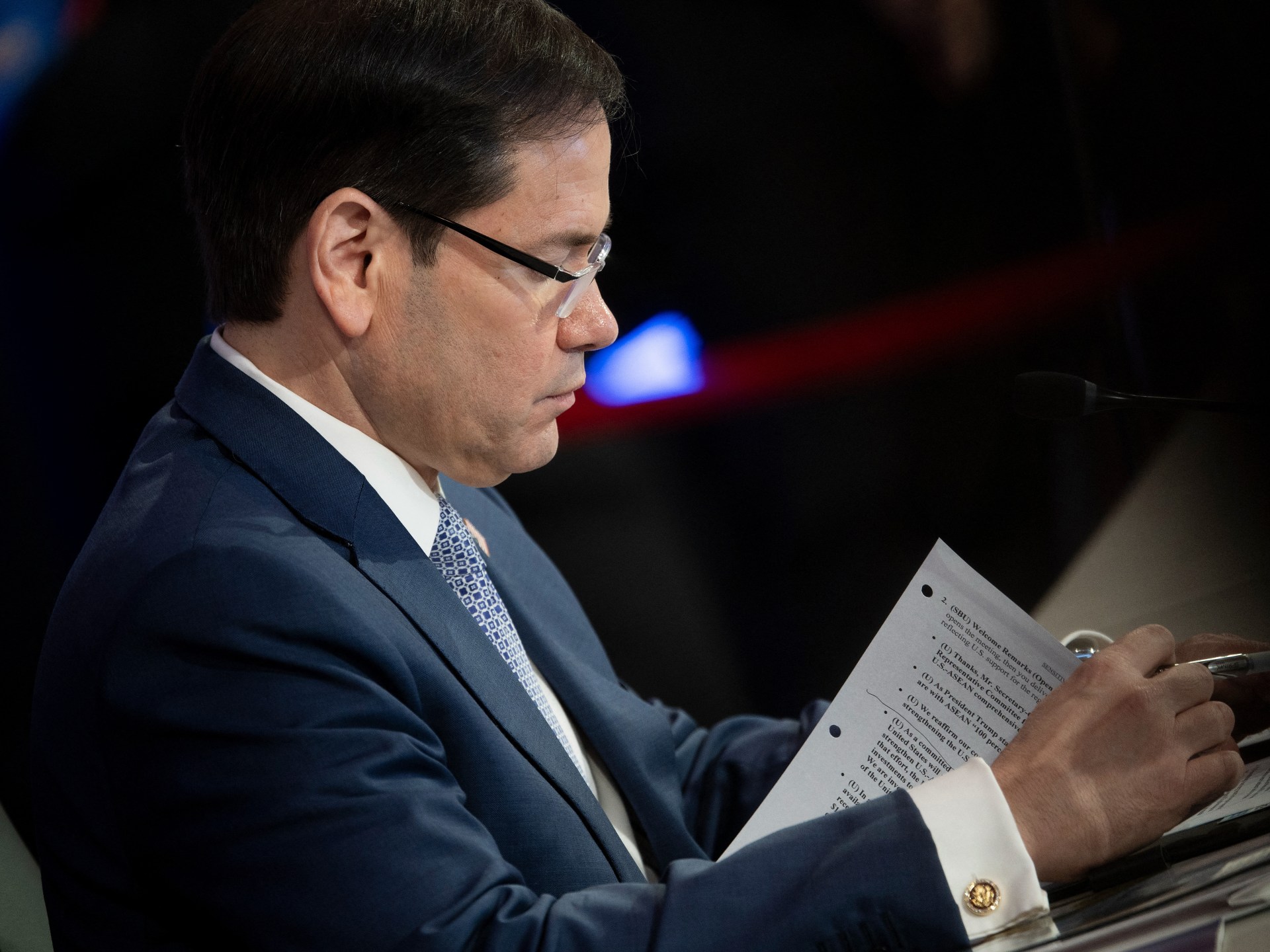
US Secretary of State Marco Rubio said Washington is prepared to negotiate an end to the war involving Iran, while accusing Tehran of failing to approach talks seriously. His comments came as the United States carried out attacks on Iran for an 11th straight night and the conflict continued to threaten major energy transport routes, according to AFP and Reuters.
Speaking Wednesday at an Association of Southeast Asian Nations meeting in Manila, Rubio said the United States was open to discussions if agreements were respected. “The United States remains open and willing to engage in positive and constructive negotiations and discussions, provided that the commitments made are honoured,” he said.
Rubio said the obstacle was Tehran’s posture toward diplomacy. “The problem we’re having right now is that they’re not serious about talks. If they’re serious, we’re serious. If they’re not, then we will do what’s necessary to protect our interests and also the interests of our allies,” he said in the Philippine capital.
Strait of Hormuz warning
Rubio also focused on the Strait of Hormuz, saying Washington opposed any Iranian effort to control the waterway. The strait is one of the world’s most important routes for energy shipments, and AFP and Reuters reported that the war has disrupted two key energy transport routes.
Rubio argued that allowing a state to control an international waterway, demand payment and threaten ships would set a precedent beyond the Middle East. He said Iran was claiming a right it did not have under existing legal arrangements to control traffic through the Strait of Hormuz.
Rubio said the dispute raised a broader issue of freedom of navigation. “That cannot be allowed to happen,” he said.
Threats over Natanz
The remarks followed renewed threats from US President Donald Trump on Tuesday to attack Iran’s nuclear facilities at Natanz “pretty soon,” according to AFP and Reuters. Iran said it would respond if such an attack took place.
Iran’s Khatam Al-Anbiya military command said Tuesday that a strike on Natanz would be treated as an expansion of the regional war. The command said such an attack could lead to strikes on “all the interests of America, its allies and supporters.”
A health ministry official in Iran said 50 people had been killed and 500 wounded in the recent US attacks, according to AFP and Reuters.
Rubio also used the ASEAN meeting to emphasize Washington’s ties with Southeast Asia. He said the US relationship with ASEAN member states was a matter of national interest and that security and prosperity in the United States and Southeast Asia were closely linked.
Rubio said he believed developments in the region would help define the 21st century. His remarks placed the Iran conflict alongside Washington’s broader message to Southeast Asian governments about trade, security and freedom of navigation.
This story draws on original reporting from Al Jazeera.