
Rights lawyers face reprisals as Israel cases reach global courts
Palestinian advocates and ICC officials report raids, sanctions and pressure as cases over alleged Israeli abuses advance.
By Lucas Ferreira · Science & Environment Writer
4 min read
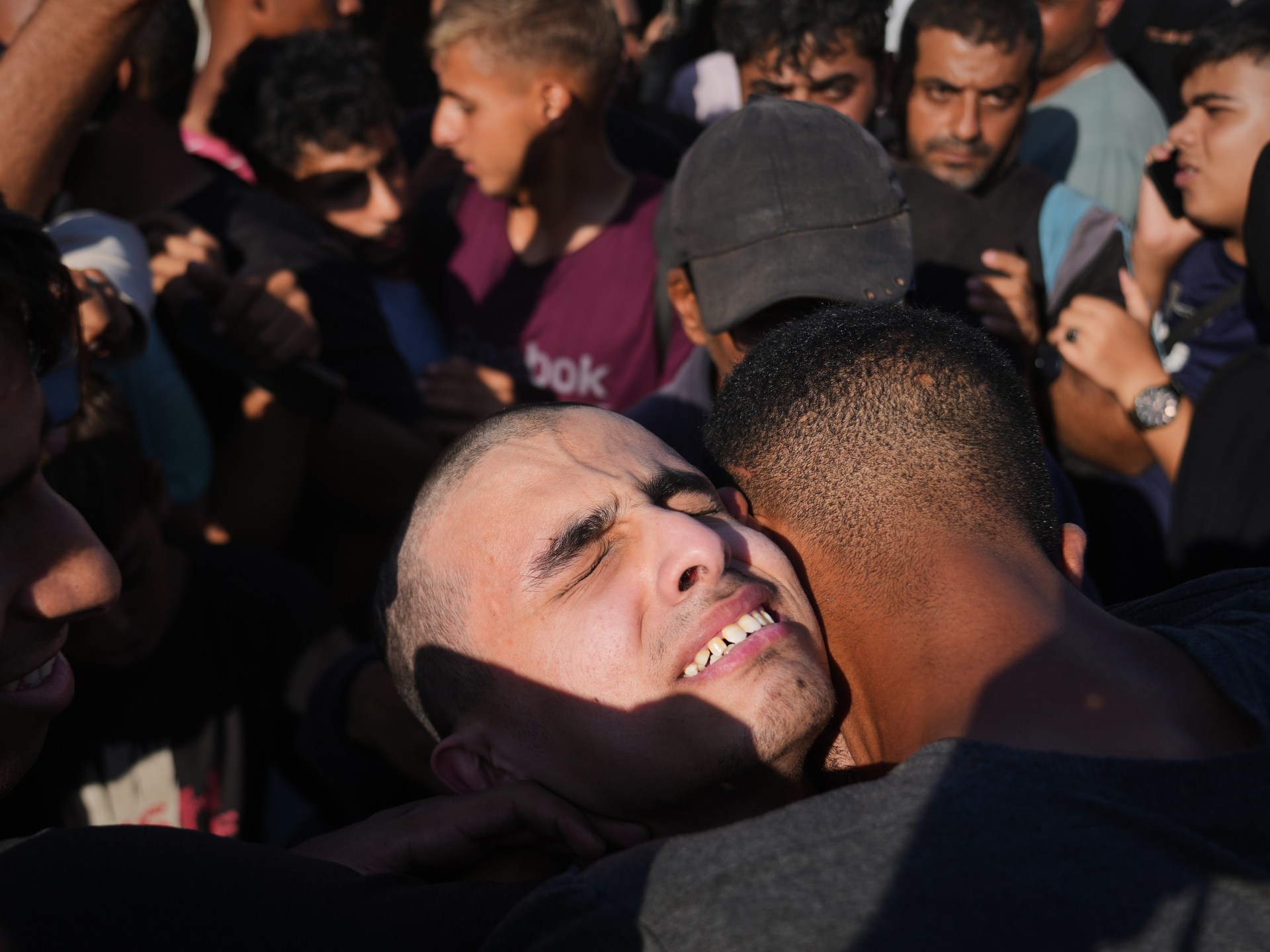
Palestinian rights lawyers and international court officials involved in cases over alleged Israeli abuses have faced raids, surveillance, sanctions and threats, according to Al Jazeera interviews and reporting. The pressure has grown as evidence gathered by Palestinian groups has moved into international legal and diplomatic forums, including the International Criminal Court.
The ICC issued arrest warrants in November 2024 for Israeli Prime Minister Benjamin Netanyahu and then-Defence Minister Yoav Gallant, Al Jazeera reported. Palestinian lawyers and human rights organisations said they had spent years compiling material on alleged torture, sexual violence, arbitrary detention, attacks on hospitals, child killings and the destruction of families.
Palestinian groups say documentation brought retaliation
Tahseen Elayyan of Al-Haq told Al Jazeera the group collects testimony from victims and witnesses and turns evidence into reports and legal filings, including submissions to the ICC. He said Israel’s 2021 designation of Al-Haq as a terrorist organisation was tied to that work.
Israel designated six Palestinian organisations as terrorist groups in 2021: Al-Haq, Addameer, Defense for Children International-Palestine, Bisan Center, the Union of Agricultural Work Committees and the Union of Palestinian Women’s Committees, according to Al Jazeera. Israeli forces raided and sealed their Ramallah offices in August 2022, a move UN experts and major rights groups condemned.
Ayed Abu Eqtaish, accountability director at Defense for Children International-Palestine, told Al Jazeera that his organisation had documented allegations involving detained, interrogated, beaten and shot children. He said Israeli authorities raided the group’s office instead of investigating the allegations it raised.
ICC officials describe pressure
Fatou Bensouda, the ICC’s chief prosecutor from 2012 to 2021, told Al Jazeera that pressure intensified as her office worked on the Palestine file. She described an incident in which two men came to her home in The Hague with an envelope containing $500, which she understood as a message that they knew where she lived.
Bensouda said she reported the visit to ICC security and Dutch authorities, and that phone numbers left by the men traced back to Israel. She also described meetings with then-Mossad chief Yossi Cohen in which, she said, the message became a warning to halt the Palestine investigation; Al Jazeera said her account matched reporting by The Guardian on a long-running Mossad effort to pressure and discredit her.
The Trump administration sanctioned Bensouda in 2020 after she advanced investigations involving Palestine and Afghanistan, Al Jazeera reported. She said the sanctions froze bank access, disrupted routine transactions and affected accounts linked to her family.
Al Jazeera also reported that President Donald Trump signed a February 2025 order imposing sanctions on the ICC after the Netanyahu and Gallant warrants. Reuters and PBS News reported that the measures chilled the court’s work, contributed to resignations, froze accounts and slowed prosecutions; sitting prosecutor Karim Khan and several judges were later sanctioned.
Legal and diplomatic pressure widens
UN Special Rapporteur Francesca Albanese, who has accused Israel of creating a “torturous environment” for Palestinians, was sanctioned by the Trump administration in July 2025, according to Al Jazeera. Human Rights Watch called the move an attack on the UN human rights system.
Al Jazeera also reported that Israeli planning authorities approved the E1 settlement plan east of Jerusalem in August 2025. Critics including 21 foreign ministers led by the United Kingdom’s David Lammy warned that the plan would cut the West Bank’s north from its south and undermine the basis for a Palestinian state.
At the UN Security Council in early June 2026, Riyad Mansour for the State of Palestine and Saudi Ambassador Abdulaziz M Alwasil spoke for a coalition including the Arab Group and the Organisation of Islamic Cooperation, with backing from seven council members, Al Jazeera reported. The group demanded accountability and “meaningful consequences” for violations, citing Security Council resolutions and International Court of Justice advisory opinions.
Raji Sourani, director of the Palestinian Centre for Human Rights, told Al Jazeera that Palestinians want justice and dignity and do not want Gaza to become “the graveyard of international law.” His colleague Ihab Marwan Kamal Faisal was killed with his family in an Israeli air strike in January 2025, according to Al Jazeera.
This story draws on original reporting from Al Jazeera.