
Israeli strikes hit Lebanon after Hezbollah ceasefire deadline
Air raids and shelling continued in southern Lebanon after a 4pm truce deadline, as US-Iran talks linked to the deal were postponed.
By Lucas Ferreira · Science & Environment Writer
3 min read
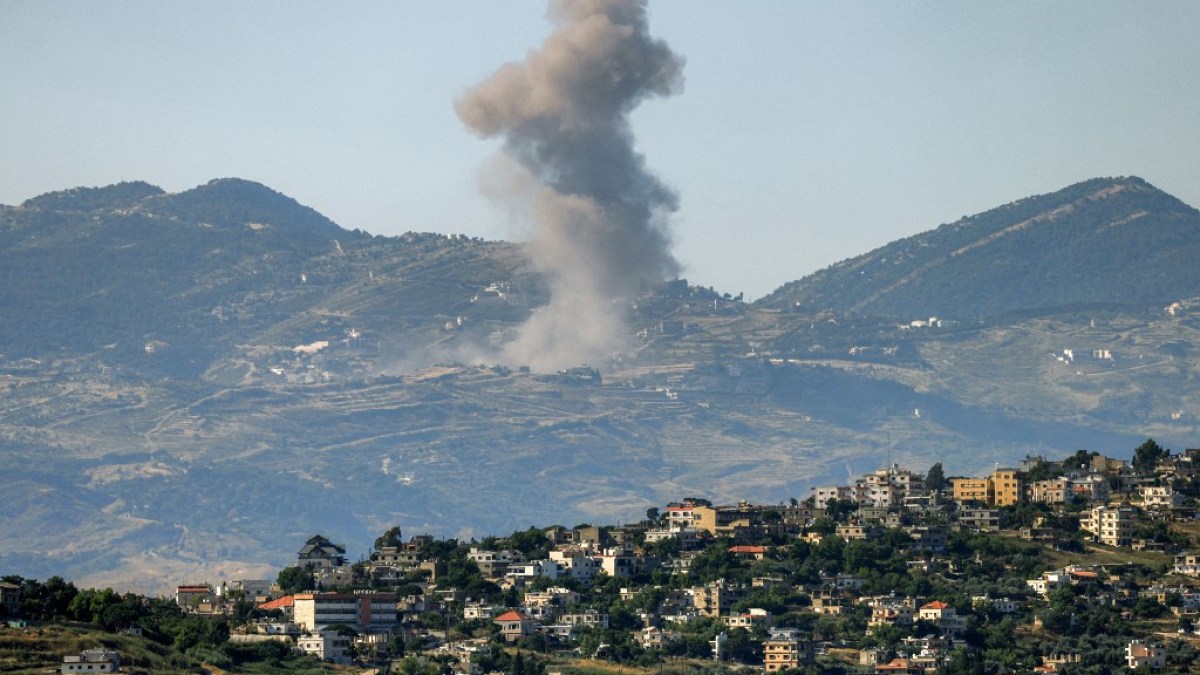
Israeli forces struck southern Lebanon after a ceasefire with Hezbollah was due to begin Friday, putting new pressure on a truce tied to wider efforts to calm regional fighting. Al Jazeera reported at least 12 Israeli air attacks and continued artillery fire after the 4pm local time deadline.
Officials and diplomats from the United States and the Gulf told news agencies that Israel and Hezbollah had agreed to stop fighting from 1300GMT. A Gulf diplomat told AFP, on condition of anonymity, that Qatar, the United States and Iran helped broker the arrangement to keep fighting in Lebanon from undermining a broader push to turn an interim US-Iran agreement into a longer regional deal.
The Lebanese health ministry said Israeli attacks in Lebanon since midnight Friday had killed at least 47 people and wounded 97 others. Al Jazeera’s Heidi Pett, reporting from Tyre, said strikes resumed quickly after the truce deadline, leaving residents unsure what the agreement meant on the ground.
Ceasefire confirmations and caveats
A senior US official told Reuters shortly before the deadline that Washington understood Israel and Hezbollah were in a ceasefire after earlier exchanges of fire. Reuters also cited a senior Israeli official and two Hezbollah sources as confirming the truce.
A Hezbollah official told Al Jazeera the ceasefire would hold if Israel observed it. The Israeli official told Reuters: “If Hezbollah does not attack us, then for us it is not a time of war.”
Israel’s military signalled it would keep room to act. An Israeli military spokesperson said Friday that Israeli forces would retain “operational freedom” to respond to what they regard as threats in southern Lebanon, language that Al Jazeera said raised doubts among residents about the scope of the ceasefire.
Anger over Lebanon fighting
The ceasefire followed a sharp escalation that diplomats said threatened negotiations linked to ending the war with Iran and reopening the Strait of Hormuz to global shipping. The Israeli army announced Friday that four Israeli soldiers had been killed in combat in southern Lebanon.
After that announcement, Israel’s far-right national security minister, Itamar Ben-Gvir, urged a major escalation in a post on X. He wrote that “all of Lebanon must burn” and said he had told Prime Minister Benjamin Netanyahu that “for every tear of an Israeli mother, a thousand Lebanese mothers must weep.”
Iranian Foreign Minister Abbas Araghchi responded on X by accusing Israel of seeking “permanent war.” He described Ben-Gvir’s comments as a public statement by Israel’s national security minister, not an isolated outburst, and called Israel a threat to humanity.
US-Iran talks delayed
Talks between the United States and Iran on a memorandum of understanding signed June 18 were called off Friday after the Lebanon fighting intensified, officials told news agencies. The Associated Press, citing three regional officials and another person familiar with the matter who spoke anonymously, reported that Iranian officials did not travel to Switzerland as planned because they wanted the fighting in Lebanon to stop first.
US Vice President JD Vance also postponed his trip, according to Al Jazeera. Iran’s Foreign Ministry spokesperson, Esmaeil Baghaei, said consultations were continuing through mediators and that an official announcement would come if conditions for negotiations were met.
Baghaei said Washington bore direct responsibility for the Israel-Lebanon situation, pointing to Article 1 of the June 18 memorandum, which he said makes an end to the Lebanon war part of the wider ceasefire arrangement. He added that Iran would take necessary steps to protect its interests, security and the rights of its allies.
This story draws on original reporting from Al Jazeera.