
Fuel limits spread in Russia as Ukraine targets refineries
Rationing has reached Moscow and Saint Petersburg after refinery strikes, while Ukraine secured fresh European aid and EU membership momentum.
By Sofia Marchetti · World Affairs Correspondent
3 min read
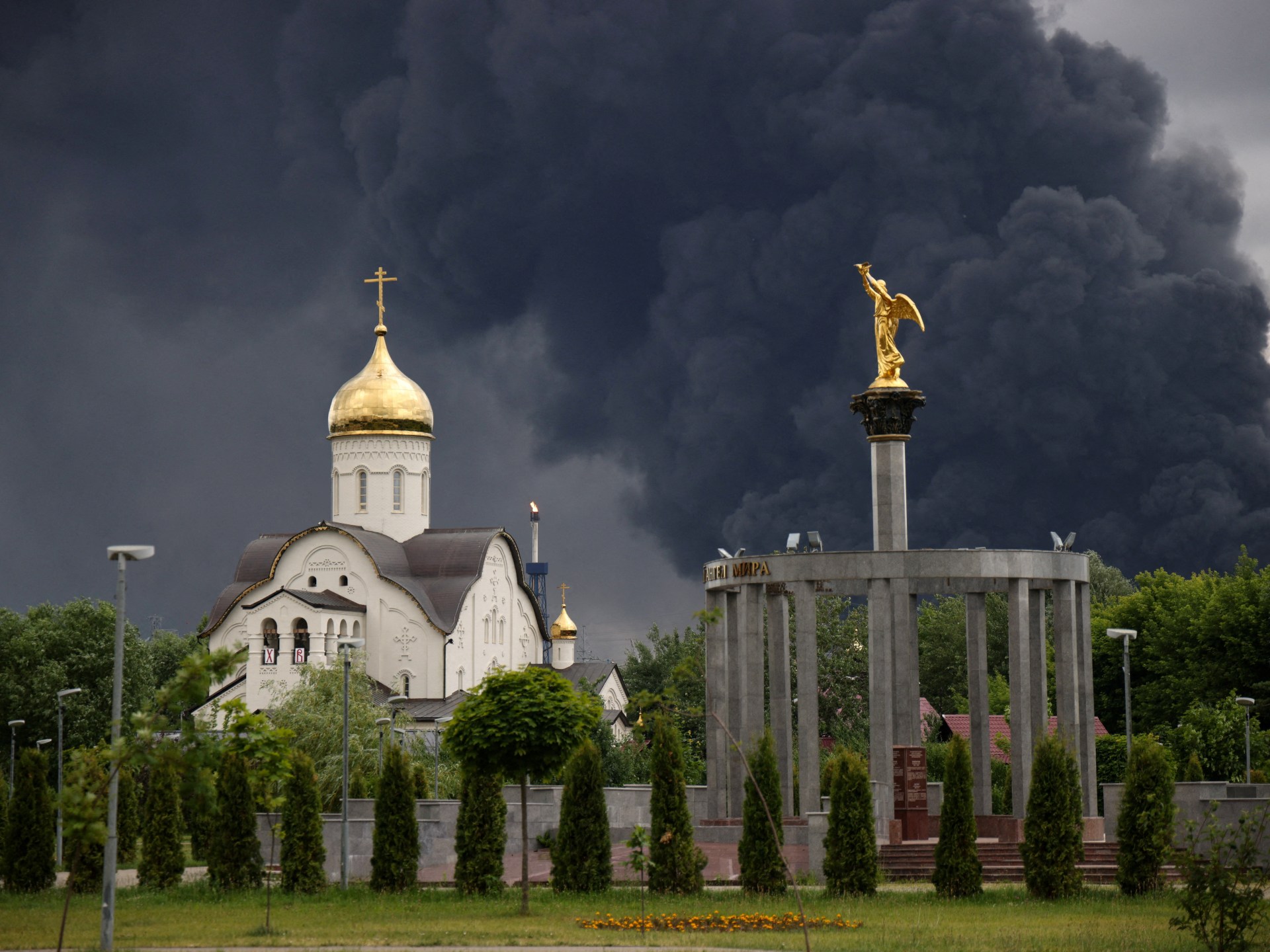
Petrol rationing has reached major Russian cities after months of Ukrainian attacks on oil infrastructure, according to Al Jazeera and Russian independent outlet The Bell. The disruption is putting visible economic pressure on Moscow as Kyiv secures new military backing from European allies.
The Bell reported on Wednesday that fuel limits were in place in 53 Russian regions and in occupied parts of Ukraine. In Moscow and Saint Petersburg, the Tatneft petrol station chain began restricting purchases on Monday to 20 litres of petrol and 40 litres of diesel per customer, citing “technical reasons,” Al Jazeera reported.
Other chains have also capped sales. Rosneft set a 90-litre ceiling per transaction, while Rosneft and Bashneft reportedly stopped petrol sales in canisters on Tuesday, pointing to “increased seasonal demand,” according to Al Jazeera.
The shortages follow lower Russian oil output. The International Energy Agency said Russia produced 8.74 million barrels a day in May, down from 8.96 million in April and about 100,000 barrels a day below target. Al Jazeera reported that Russian oil companies have announced production cuts in recent weeks after Ukrainian strikes damaged infrastructure.
Russian business newspaper Kommersant reported that Moscow was allowing some refineries to distribute less-refined petrol with higher sulphur content. Reuters reported that Russia also planned to raise imports of refined petroleum products from Asia.
Ukraine added pressure this week by striking the Moscow Oil Refinery twice, on Tuesday and Thursday. Residents reported black soot and what they called “oil rain” after smoke rose over the capital, according to Al Jazeera.
Ukraine’s General Staff said the refinery supplies more than 38 percent of fuel consumed in the capital region, including aviation fuel for Domodedovo, Vnukovo, Sheremetyevo and Zhukovsky airports. The General Staff said the first strike damaged a primary processing unit, while the second triggered five fires and reportedly damaged processing units and a tank farm.
Al Jazeera reported that the refinery stopped operations and that pollution led six airports around Moscow to close, forcing flight cancellations. Russia’s defence ministry later said it had shot down 992 drones and four missiles over 24 hours.
Ukraine did not disclose what weapons it used against the Moscow site, one of Russia’s most heavily defended areas against aerial attacks. Al Jazeera reported that Kyiv also struck the TANEKO refinery in Tatarstan during the past week, along with tank farms, pumping stations and oil terminals. On June 12, Ukraine hit the Tolyattikauchuk chemical plant, which makes synthetic rubber used in solid rocket and missile fuel, according to Al Jazeera.
Russian President Vladimir Putin acknowledged the economic effect while saying Russia was recovering. “The blows of the Armed Forces of Ukraine damage the Russian economy,” Putin said, according to Al Jazeera, adding that Ukraine was using aircraft-type drones to split Russian society and cause financial harm.
Ukrainian President Volodymyr Zelenskyy questioned whether Putin was receiving accurate information, saying Russian leaders rarely get “completely truthful information without embellishment,” according to Al Jazeera. Russian Duma member Vyacheslav Markhaev wrote on June 11 that Russians face new restrictions and a heavier financial burden, and said attacks on Russian cities were expanding geographically.
The pressure on Russia comes as Ukraine’s backers pledged 4 billion euros, or $4.6 billion, in new military aid over the past week for anti-ballistic interceptors, long-range artillery and unmanned systems, Al Jazeera reported. Ukrainian Defence Minister Mykhailo Fedorov said Ukraine and Germany also signed an agreement to develop a European anti-ballistic interceptor missile.
The European Union released 6 billion euros, or $6.9 billion, in military aid from its European Peace Facility and began talks expected to lead to Ukrainian membership, according to Al Jazeera. Zelenskyy urged Brussels to open all remaining negotiation clusters at once after the first of six was opened.
This story draws on original reporting from Al Jazeera.