
Red Cross warns eastern Congo Ebola outbreak has yet to peak
The IFRC said the Bundibugyo strain has killed 192 people as testing gaps and mistrust complicate the response across three provinces.
By Daniel Okafor · Business Editor
3 min read
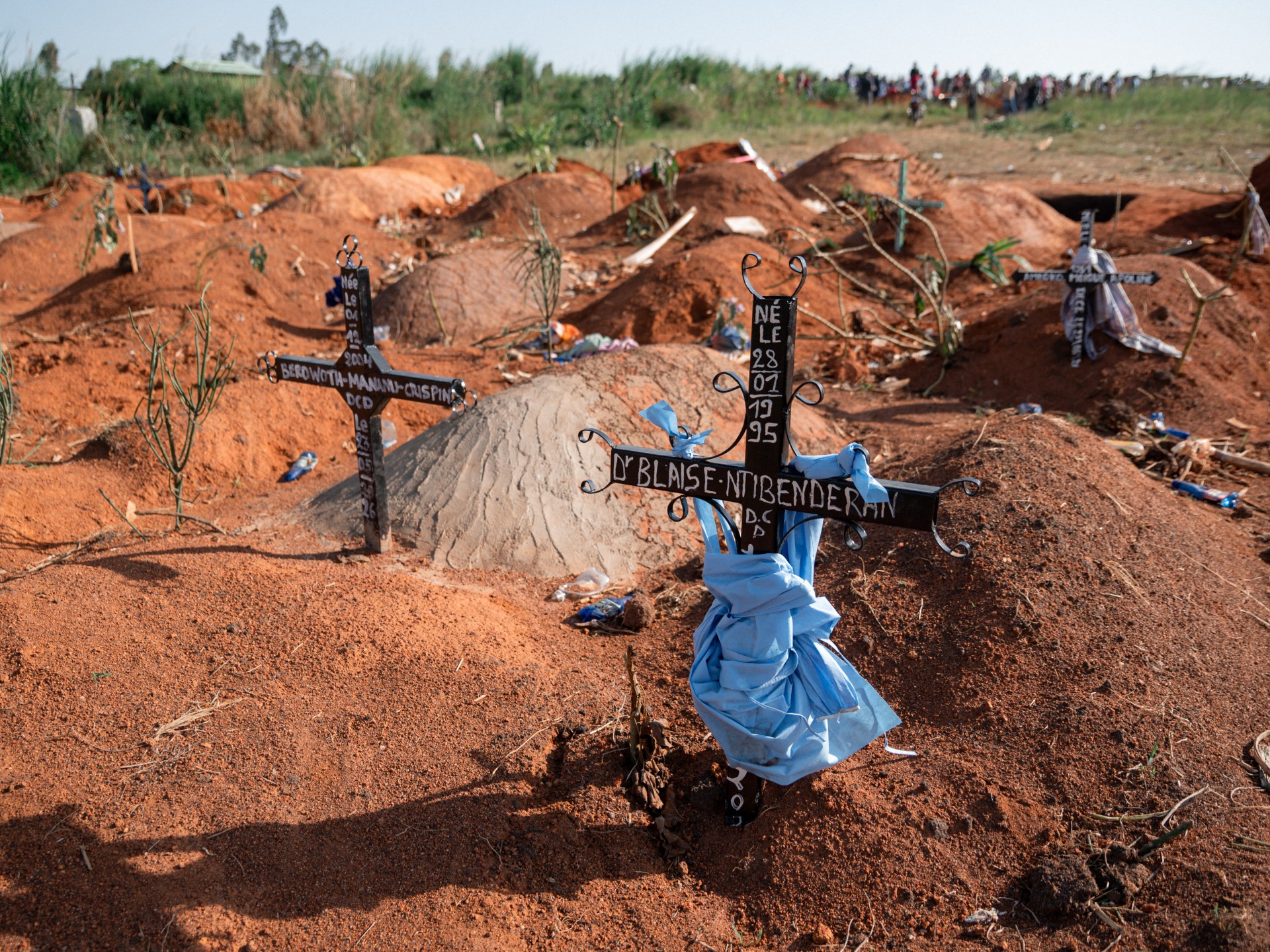
The Ebola outbreak in eastern Democratic Republic of the Congo has not reached its peak and could continue for another year, the International Federation of Red Cross and Red Crescent Societies warned Tuesday. The warning points to a worsening health emergency in a region where responders say they still do not know the full spread of the virus.
Bruno Michon, the IFRC operations manager, told reporters by video link from eastern DRC that the peak appeared to be ahead, not past. He said the Red Cross feared it could take a year to bring the outbreak to an end.
The outbreak involves the Bundibugyo strain, a rare form of Ebola, according to Al Jazeera and Reuters. Government data cited in the report put the death toll at 192 and said the disease was spreading quickly across three provinces.
Ebola spreads through contact with bodily fluids, including after a person has died, according to the same government data. That risk has made safe burials a core part of the response, alongside efforts to explain the disease to communities and persuade families to accept health measures.
Michon said Red Cross and Red Crescent workers involved in community outreach and safe burial work had faced verbal abuse, threats and attacks in recent days. He said trust-building required honesty, patience and humility, and called it life-saving in the current outbreak.
Scale of spread remains unclear
Congolese health officials said the outbreak was declared more than a month ago, but the real number of infections and the locations of transmission remain uncertain, according to Al Jazeera and Reuters.
Doctors Without Borders, known by its French initials MSF, also warned that the response is being hindered by gaps in surveillance. Kate White, the group’s emergency medical coordinator, said Monday that no one knew the true scale of the outbreak or precisely where Ebola was spreading in the DRC.
MSF said testing remained one of the weakest parts of the response. Without reliable testing, health teams have less ability to confirm cases, track chains of transmission and direct resources to affected areas.
A senior Congolese public health official, speaking anonymously to Reuters, said the difficulties went beyond testing. The official said information from laboratories, hospitals, treatment centres and epidemiological surveillance teams was hard to combine into a consistent picture.
That data problem can produce errors in more than one direction, the official told Reuters. Some patients may be counted more than once if they cross between health zones and are tested repeatedly, while other deaths may never be recorded because people die in their communities without contact with health authorities.
The same official told Reuters he believed the virus had started circulating in February. If correct, that would mean Ebola was moving through communities for months before the current outbreak was formally declared.
The DRC has faced repeated Ebola outbreaks, and the current response is complicated by uncertainty over the spread of the disease and mistrust faced by medical teams. The Red Cross warning suggests responders are preparing for a prolonged campaign rather than a quick containment effort.
This story draws on original reporting from Al Jazeera.