
Pavel Durov terrorism charge issued by Russia over Telegram content
Russia's FSB accused Telegram of failing to remove channels used to plan attacks, and issued an international warrant for Pavel Durov.
By Daniel Okafor · Business Editor
3 min read
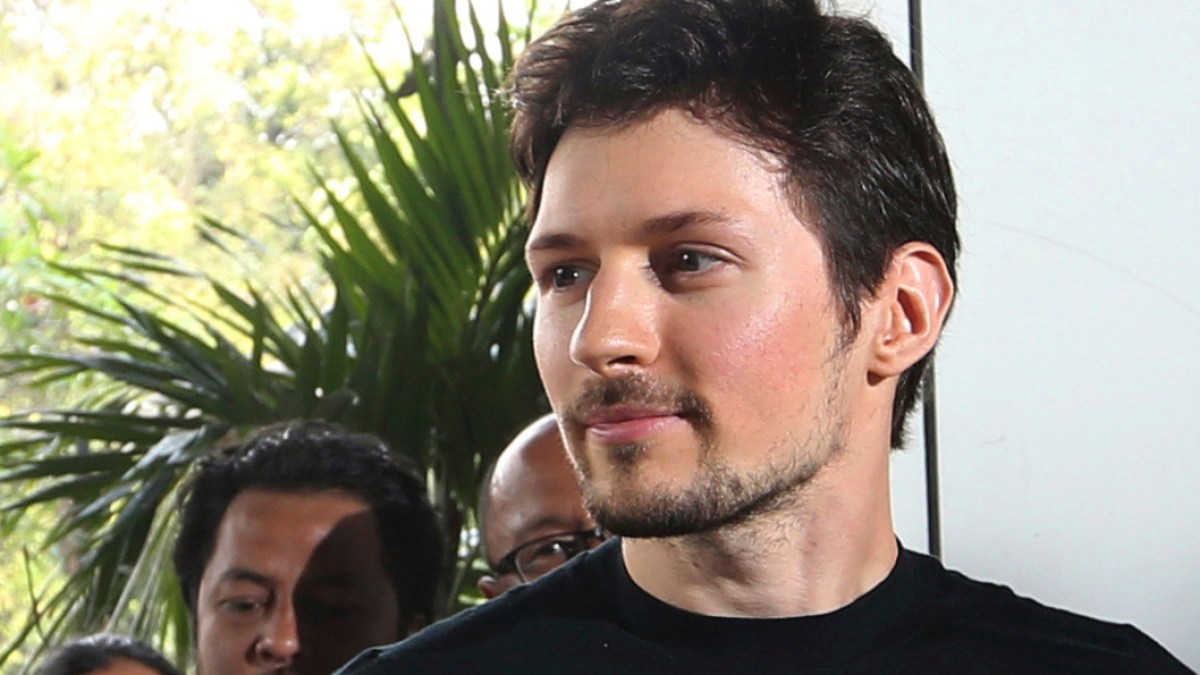
Russia has charged Telegram co-founder Pavel Durov with aiding terrorism and issued an international arrest warrant, according to the country’s FSB security service. The Pavel Durov terrorism charge raises the legal pressure on the head of one of the world’s most widely used encrypted messaging platforms as Moscow tightens controls on online communications.
The FSB said Wednesday that Telegram did not remove “channels, chats and bots” it alleged were being used by Ukrainian special services and by terrorist and extremist groups. According to the agency, those tools were used to prepare and coordinate attacks inside Russia.
The FSB said the activity included sabotage, terrorism, mass killings and cyber-fraud operations. Reuters reported that Durov and Telegram did not issue an official comment after the charge was announced.
Telegram’s official account on X later posted a photograph of Durov holding up his middle finger. The post did not include a formal statement responding to the Russian charge.
Why did Russia charge Pavel Durov?
Russian authorities accuse Durov of aiding terrorism because, they say, Telegram failed to remove online spaces used to plan attacks in Russia. The allegation centers on Telegram’s moderation and cooperation with authorities, rather than on a claim that Durov personally organized any attack.
Telegram is an encrypted messaging platform co-founded by Durov in 2013. It has long promoted privacy and limited censorship, while critics and some experts have warned that a light-touch moderation model can allow criminal activity and extremist content to spread on the service.
Russia pushes tighter control over messaging apps
The case comes as Russia tries to curb Telegram and other popular messaging services, including WhatsApp. Moscow has also promoted MAX, a state-backed messaging service, as an alternative.
Experts cited by Reuters have warned that MAX says it will share user data with authorities when asked and does not use end-to-end encryption that keeps messages private between sender and recipient. Russia has already blocked major social media platforms including Twitter, Facebook and Instagram, and has increased pressure on services such as YouTube.
Durov was born in Russia and now holds Emirati and French passports. Before Telegram, he launched VKontakte, often described as Russia’s version of Facebook, and sold his remaining stake in the company in 2014 after pressure from Russian authorities.
Durov has said he was pushed in 2014 to give Russian authorities access to data from Ukrainian pro-democracy activists’ accounts and refused. Earlier this year, he said Russian authorities had opened a criminal investigation against him and accused them of using fabricated grounds to restrict Telegram as part of an effort to suppress privacy and free speech.
Durov also faces legal scrutiny in France over allegations that Telegram did not do enough to fight criminal activity on the platform and failed to cooperate sufficiently with law enforcement requests. He denies wrongdoing in that matter.
This story draws on original reporting from Al Jazeera.