
Patriot missile shortage strains Ukraine, U.S. and Gulf defenses
Ukraine’s urgent need for Patriot interceptors now overlaps with U.S. and Gulf demand as production trails missile use.
By Daniel Okafor · Business Editor
3 min read
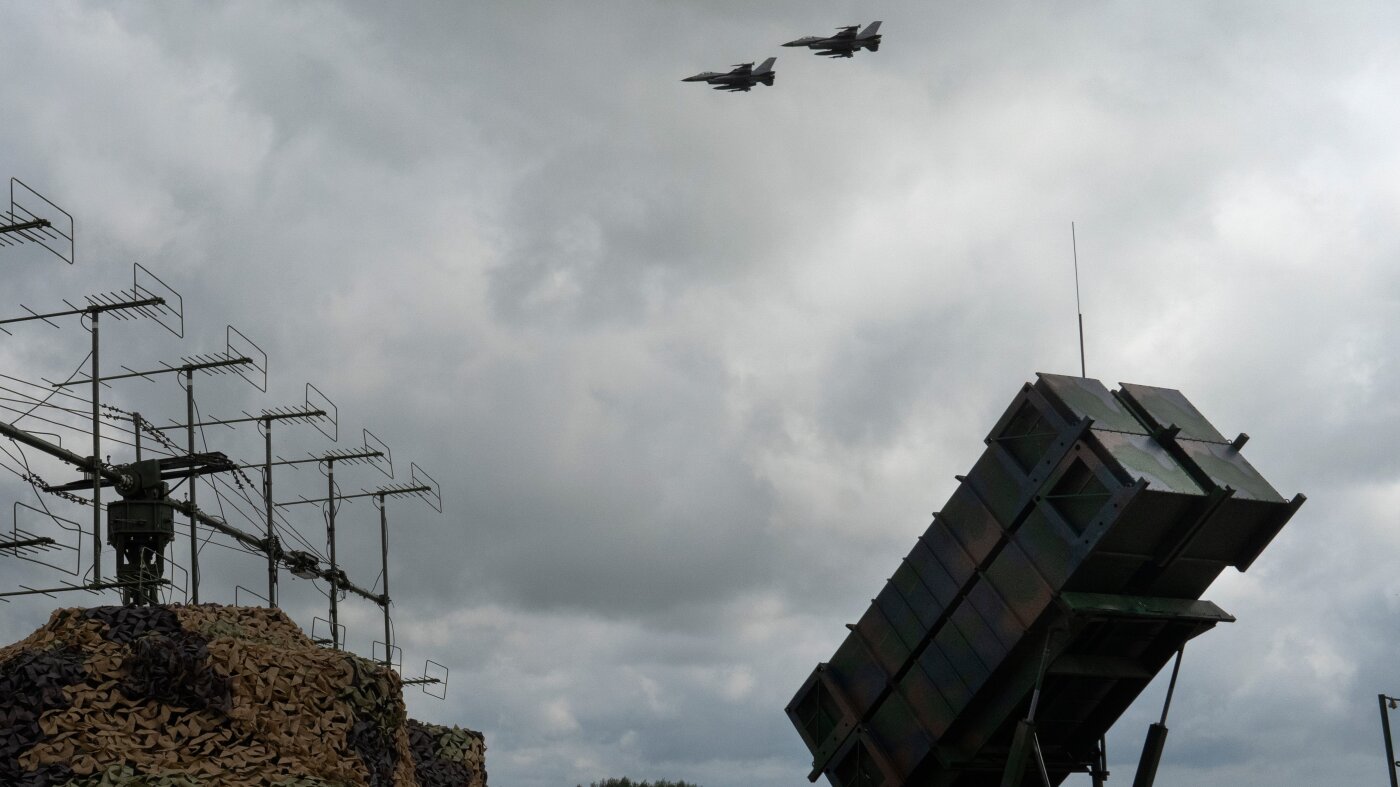
The Patriot missile shortage is tightening pressure on Ukraine, the United States and Gulf allies as Russian and Iranian ballistic-missile attacks consume interceptors faster than factories can replace them. The immediate effect was visible in Kyiv, where Ukraine said it lacked Patriot interceptors during a major Russian strike.
NPR reported that Russia fired 27 ballistic missiles in a pre-dawn Aug. 1 attack, many aimed at Kyiv, killing nine people and wounding more than 30. President Volodymyr Zelenskyy said Ukraine intercepted one missile, attributing the result to a lack of interceptors for its Patriot systems, according to NPR.
Why is demand for Patriot missiles rising?
Patriot is a U.S.-made air-defense system. Its interceptor missiles are the expendable weapons fired from the system to destroy incoming threats, including ballistic missiles. NPR described Patriot as Ukraine’s only reliable defense against Russian ballistic-missile attacks.
Ukraine has the most immediate need for new interceptors, NPR reported. But U.S. inventories have also been drawn down during the Iran war, while Gulf allies are concerned about how quickly they could replenish their own supplies if fighting with Iran resumes.
The strain reaches beyond the current conflicts. NPR said nearly 20 U.S.-allied countries in Europe, Asia and the Middle East operate Patriot systems. The system entered U.S. service in the 1980s and had its first prominent wartime test during the 1991 Gulf War, when it was used against Iraqi Scud missiles.
What is limiting the supply of Patriot interceptors?
Russian and Iranian forces are firing ballistic missiles at a pace exceeding Patriot interceptor production, NPR reported. The Guardian reported that Lockheed Martin makes about 600 interceptors a year and has said it aims to more than triple output, though expanding production capacity takes time.
Public information about U.S. stocks remains limited because the exact total is classified. NPR cited a Center for Strategic and International Studies estimate that the U.S. had more than 2,300 interceptors before the Iran war began on Feb. 28 and about 800 at the time of its report. An unnamed U.S. official told NPR that the estimates appeared accurate; they are not official published totals.
Defense Secretary Pete Hegseth called reports of a Patriot shortage a “manufactured story” in June, NPR said. NPR also reported that he had said two months earlier that replenishing missile inventories could take “months and years.”
Mark Cancian of CSIS told the Guardian that countries needing interceptors most urgently were competing for a diminishing pool, creating what he called a window of vulnerability while inventories are rebuilt. He assessed that the shortage could last two to three years, an outlook that depends on production growth and future missile use.
Other air-defense systems can address some threats. The Guardian cited Germany’s Iris-T as a less costly option used against cruise missiles and drones, while reporting that Patriot is widely regarded as the strongest defense against high-flying ballistic missiles.
This story draws on original reporting from NPR.