
Pakistani Kashmir internet shutdown strains daily life before election
Roadblocks and a communications blackout in Pakistan-administered Kashmir have disrupted hospitals, businesses and students before voting begins.
By Lucas Ferreira · Science & Environment Writer
3 min read
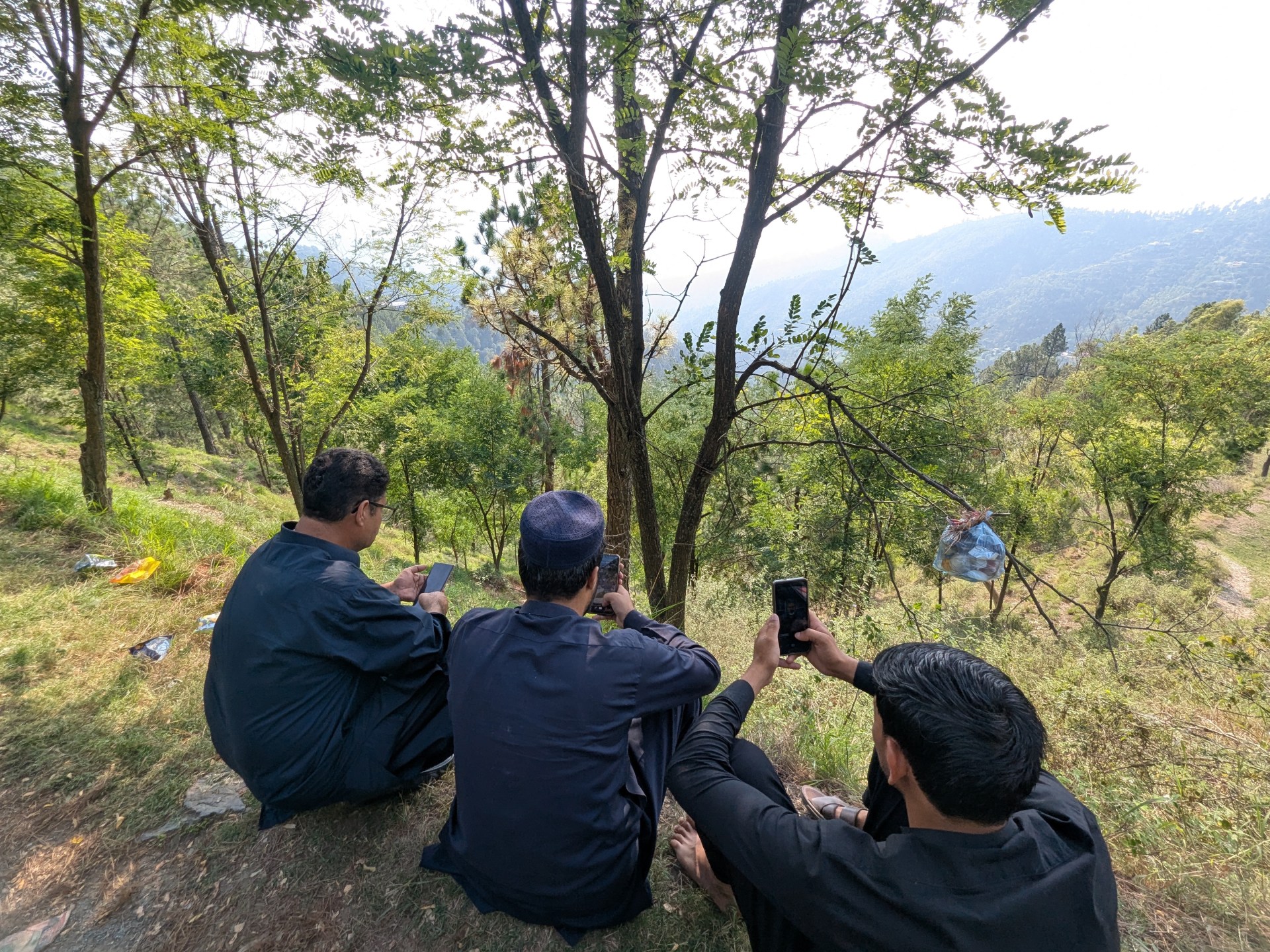
A Pakistani Kashmir internet shutdown and roadblocks have left residents struggling to reach hospitals, run businesses and keep students on track weeks before regional voting. Al Jazeera reported that mobile data and broadband services across Pakistan-administered Kashmir, formally Azad Jammu and Kashmir, have been suspended since June 5 amid protests and strikes.
The unrest began in June after authorities banned the Joint Awami Action Committee, or JAAC, a coalition pressing several demands, including ending 12 legislative assembly seats reserved for Kashmiri refugees, according to Al Jazeera. The outlet reported that weeks of sit-ins, strikes and clashes have left dozens of protesters and law enforcement personnel dead before phased legislative assembly elections scheduled to begin July 27.
Why is Pakistani Kashmir's internet shut down?
Authorities have kept mobile data and broadband offline during a period of unrest tied to JAAC protests, Al Jazeera reported. The shutdown affects Azad Jammu and Kashmir, the Pakistan-administered part of the disputed Kashmir region, where residents say blocked roads and weak communications have disrupted ordinary life.
In Poonch Division, resident Zaheer Iqbal told Al Jazeera that his elder brother collapsed with chest pain in their village of Keri Kot in mid-June. With no ambulance service reaching the village and fuel hard to find, relatives carried him on a makeshift bed to the nearest road, gathered petrol from neighbours and arranged cars to reach a hospital in Hajira and then Islamabad.
Doctors at the government hospital in Hajira could stabilize the patient, but told the family he needed a larger facility, Al Jazeera reported. Iqbal said the trip to Islamabad, about 140km away, required more fuel brought by a cousin from Kotli; his brother later received treatment and is recovering.
Residents and traders described shortages and delays beyond medical care. Malik Niaz Ahmed, head of a local traders’ association in Sudhnoti district, told Al Jazeera that road closures interrupted supplies of subsidised wheat, forcing traders to buy flour at market rates of about 6,000 Pakistani rupees per maund, compared with a promised subsidised rate of 2,200 rupees.
Education has also been hit. Masood Khan, principal of a postgraduate college in Pallandari, told Al Jazeera that unreliable phone service and the internet blackout have made routine work difficult. He said medical college entrance exams were halted partway through because of the disruption, leaving students without results or admissions decisions more than six weeks later.
In Muzaffarabad, the regional capital, business owners said the blackout has cut off banking, payments and customer contact. Lawyer Usman Gul told Al Jazeera he postponed his June 9 wedding reception after banks, ATMs and electronic transfers became unusable and vendors could not guarantee services because of unrest and road closures.
Malik Dawood, who runs a printing business in Muzaffarabad, told Al Jazeera his shop has been badly damaged since June 5, the date of its last WhatsApp message. He estimated losses of 15 million to 20 million Pakistani rupees during a period that would normally bring election-related work.
Local views on JAAC appear divided. Dawood and salon owner Salma Ahmed told Al Jazeera that earlier demands over wheat and electricity drew support, while the dispute over reserved seats has less connection to daily needs and should be handled through constitutional channels.
Officials gave a different account of conditions. Deputy Commissioner Munir Qureshi told Al Jazeera that limited internet access has remained available at some places, including banks, and that road closures are restricted to parts of Poonch Division. He said movement in Muzaffarabad and Mirpur divisions is open and election campaigning is continuing.
Residents interviewed by Al Jazeera in Poonch and Sudhnoti disputed that picture, describing broad communications failures and supply problems. Voting in Poonch Division is scheduled for August 10, and Iqbal told the outlet he no longer plans to cast a ballot, while Dawood said he intends to vote and wants political disputes settled through parliament.
This story draws on original reporting from Al Jazeera.