
Pakistan presses US-Iran mediation as fighting resumes
Islamabad helped broker a June 17 US-Iran memorandum, but renewed strikes and a dispute over the Strait of Hormuz have put that effort under strain.
By Daniel Okafor · Business Editor
4 min read
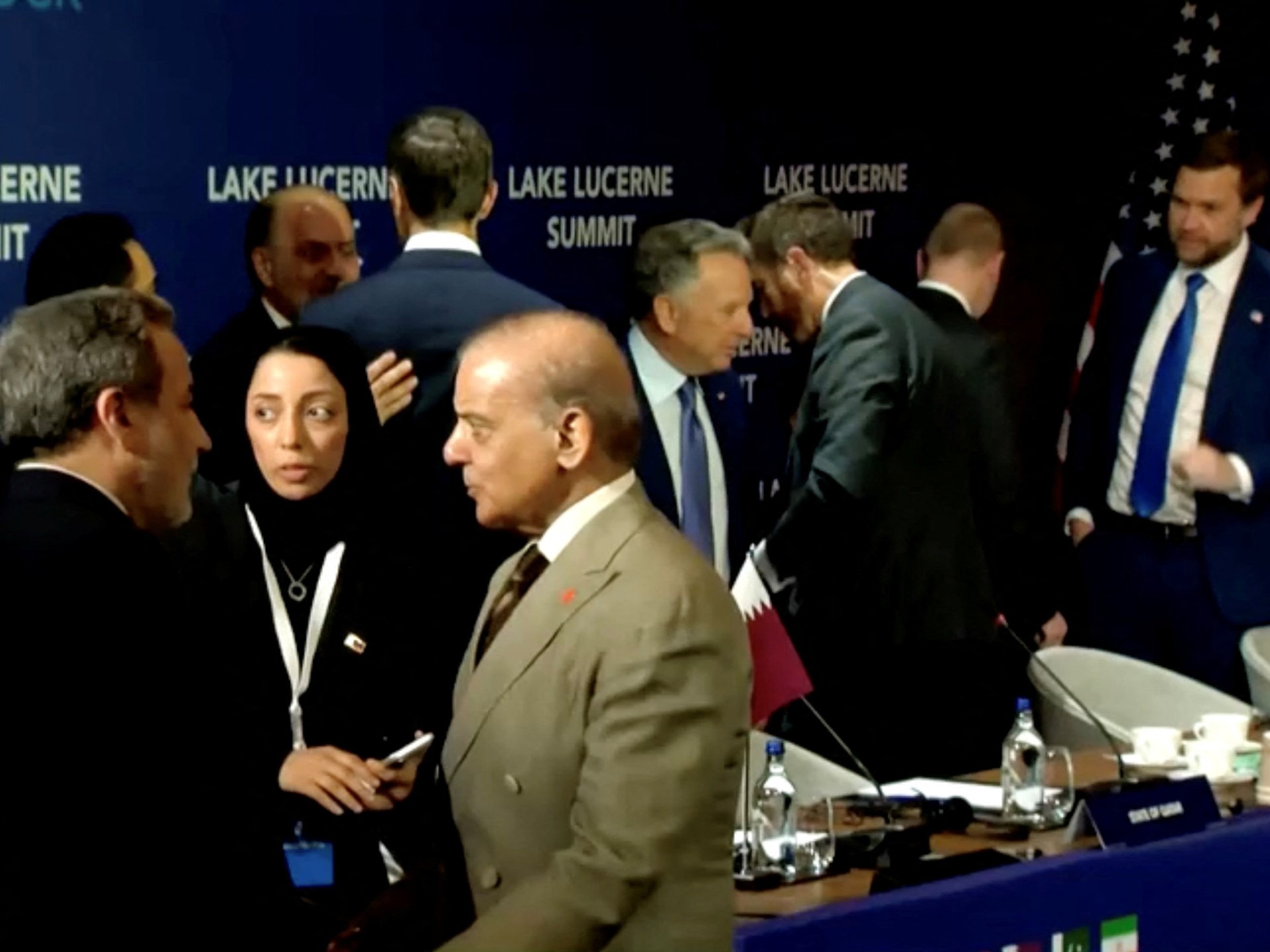
Pakistan is trying to keep US-Iran diplomacy alive after renewed attacks undercut a memorandum that Islamabad helped broker less than a month ago, Al Jazeera reported. The renewed fighting has raised the stakes for Gulf shipping, pulled Qatar closer to the conflict and tested Pakistan’s role as a mediator.
Pakistani Prime Minister Shehbaz Sharif signed the June 17 memorandum as a mediator between the United States and Iran, according to Al Jazeera. The document was aimed at extending a ceasefire and creating a route toward a longer-term settlement.
Pakistan’s Ministry of Foreign Affairs has since issued two statements expressing “deep concern” over the return to hostilities, Al Jazeera reported. On Monday, the US carried out another round of attacks on Iran, and Iran responded with missiles and drones aimed at Gulf and Arab countries it accused of hosting US military bases, according to the report.
Iranian Foreign Ministry spokesman Esmaeil Baghaei said mediators including Pakistan, Qatar and Oman were still involved, Al Jazeera reported. Baghaei also said Iran would keep responding to what Tehran considers US failure to comply with the memorandum.
Pakistan keeps diplomatic channels open
Islamabad has continued its outreach despite the fighting. Deputy Prime Minister and Foreign Minister Ishaq Dar spoke with Iranian Foreign Minister Abbas Araghchi on Sunday and said dialogue and diplomacy were the “only viable path” out of the crisis, according to Al Jazeera.
Sharif also spoke with Iranian President Masoud Pezeshkian on Friday and warned that “hard-earned” peace gains were at risk, Al Jazeera reported. Dar held a separate call Saturday with Saudi Foreign Minister Prince Faisal bin Farhan Al Saud.
The latest breakdown is at least the third since an April 8 US-Iran ceasefire, according to Al Jazeera. After earlier talks in Islamabad faltered, Washington imposed a naval blockade on Iranian ships in the Strait of Hormuz, and both sides later attacked ships.
Iranian authorities said US attacks since the latest escalation have hit at least 10 provinces, killing a soldier, several fishermen in Hormozgan and a firefighter in Sistan and Baluchestan, Al Jazeera reported. A railway bridge on a trade route linking Iran with Central Asia and China was also struck, along with a bridge near Mashhad used by mourners traveling to the funeral of former Supreme Leader Ayatollah Ali Khamenei, according to the report.
Analysts see limits to mediation
Javad Heiran-Nia, director of the Persian Gulf Studies Group at the Center for Scientific Research and Middle East Strategic Studies in Tehran, told Al Jazeera the June memorandum was a short-term tool rather than a deal that settled the main dispute. He said it delayed difficult issues while trying to halt hostilities and reopen the Strait of Hormuz to international shipping.
Dania Thafer, executive director of the Gulf International Forum in Doha, told Al Jazeera that Pakistan’s options had narrowed because both Washington and Tehran are in an escalatory phase. She said talks may resume only when one side believes the balance has shifted in its favor.
Qamar Cheema, head of the Sanober Institute in Islamabad, offered a different view, telling Al Jazeera that Pakistan’s access to both sides gives it influence. He pointed to US Vice President JD Vance’s praise for Pakistani Field Marshal Asim Munir’s role as evidence that Islamabad’s military-diplomatic channel matters in Washington.
The central disagreement remains control of passage through the Strait of Hormuz, Al Jazeera reported. Iran says the memorandum gave it authority over transit through the waterway, while the US rejects that position.
President Donald Trump said Monday the US was reinstating a naval blockade on Iranian ships and would impose a 20 percent tariff on other ships seeking to pass through the strait, according to Al Jazeera. Heiran-Nia said earlier talks had examined a possible formula in which commercial vessels would coordinate passage with both Iran and a designated Arab Gulf state, but those discussions did not produce an agreement.
Thafer told Al Jazeera that neither side has formally abandoned the memorandum despite the violence. She said Iran is treating the latest fighting as a violation of the deal rather than a reason to leave it, leaving mediators with a narrow opening to keep working.
This story draws on original reporting from Al Jazeera.