
PsyMetrics launches AI tool for white-label hiring assessments
AI Test Architect is aimed at HR teams, consultants and recruiting partners building custom psychometric tests under their own brands.
By Maya Lindqvist · Senior Technology Correspondent
3 min read
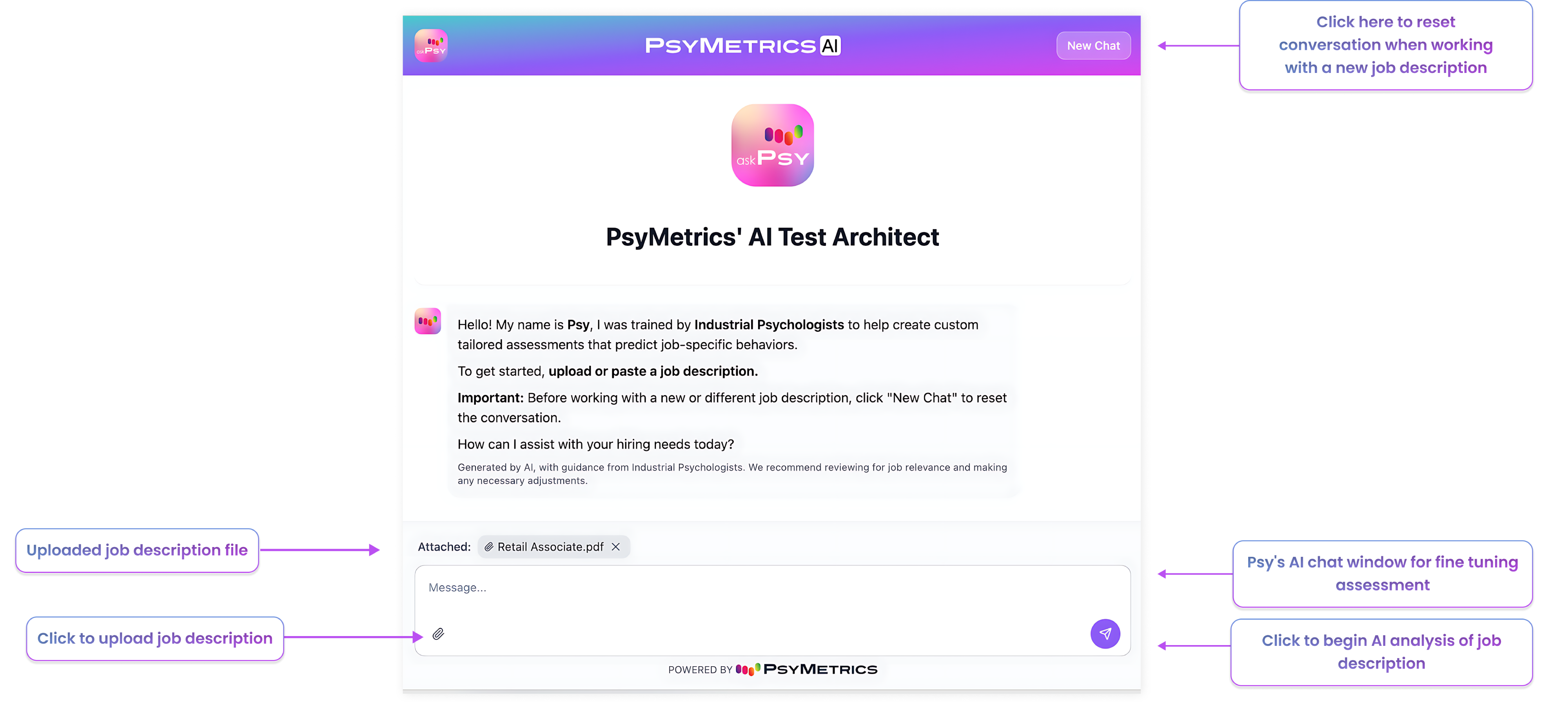
PsyMetrics has launched AI Test Architect, a tool for building white-label psychometric hiring assessments with generative AI. The product targets HR teams, boutique consultants and Recruitment Process Outsourcing providers that need faster ways to create role-specific tests while keeping human review in the process.
The launch puts PsyMetrics into a fast-growing category of AI products for recruiting and workforce assessment. Employers have been using generative tools to draft job descriptions, interview guides and screening criteria, but those systems can create risk if they produce criteria that are not tied to job requirements.
PsyMetrics says AI Test Architect is built on what it calls a “Controlled AI” model rather than an open-ended large language model approach. The company says the system draws on more than 30 years of industrial-organizational psychology research, assessment content and competency mapping work.
The tool is part of PsyMetrics’ white-label partner portal, allowing consultants and recruiting partners to create assessments that carry their own branding. It is designed to turn job descriptions or role requirements into draft pre-employment assessments that can be reviewed before use.
How the tool works
AI Test Architect follows a three-step process for assessment design:
- Users upload a job description or enter role requirements through a white-labeled advisor portal.
- The system maps those requirements to cognitive, behavioral and skills benchmarks from PsyMetrics’ psychometric library.
- It then assembles a tailored assessment using validated items tied to job-related indicators such as stress management, logical reasoning and role-specific technical skills.
The company says the product is meant to reduce the chance that generative AI will invent irrelevant competencies or introduce biased hiring criteria. PsyMetrics also says assessments generated through the tool are designed to align with federal Uniform Guidelines on Employee Selection Procedures and Equal Employment Opportunity standards.
The product does not remove people from the assessment approval process. AI Test Architect is positioned as a decision-support tool, with consultants able to review, edit and authorize each evaluation before it is used with candidates.
Jesse Llobet, Ph.D., founder of PsyMetrics, said raw generative AI can create compliance problems in pre-employment screening when it invents behavioral traits or evaluation standards. He said the new tool is intended to pair AI speed with psychometric methods developed over three decades.
For consulting firms and recruiting partners, the business angle is white-label distribution. The AI-powered white-label assessment tool lets third parties offer custom tests through their own client portals without presenting PsyMetrics as the front-end brand.
The launch reflects a broader shift in HR technology toward AI-assisted hiring infrastructure rather than stand-alone screening forms. PsyMetrics is betting that buyers will want generative tools that are constrained by job relevance, documented assessment methods and human signoff, especially in hiring contexts where compliance and bias concerns carry legal and reputational risk.