
Pakistan-administered Kashmir vote opens under heavy security
The first phase of local elections began after weeks of clashes, internet curbs and a protest movement’s call for a boycott.
By Sofia Marchetti · World Affairs Correspondent
3 min read
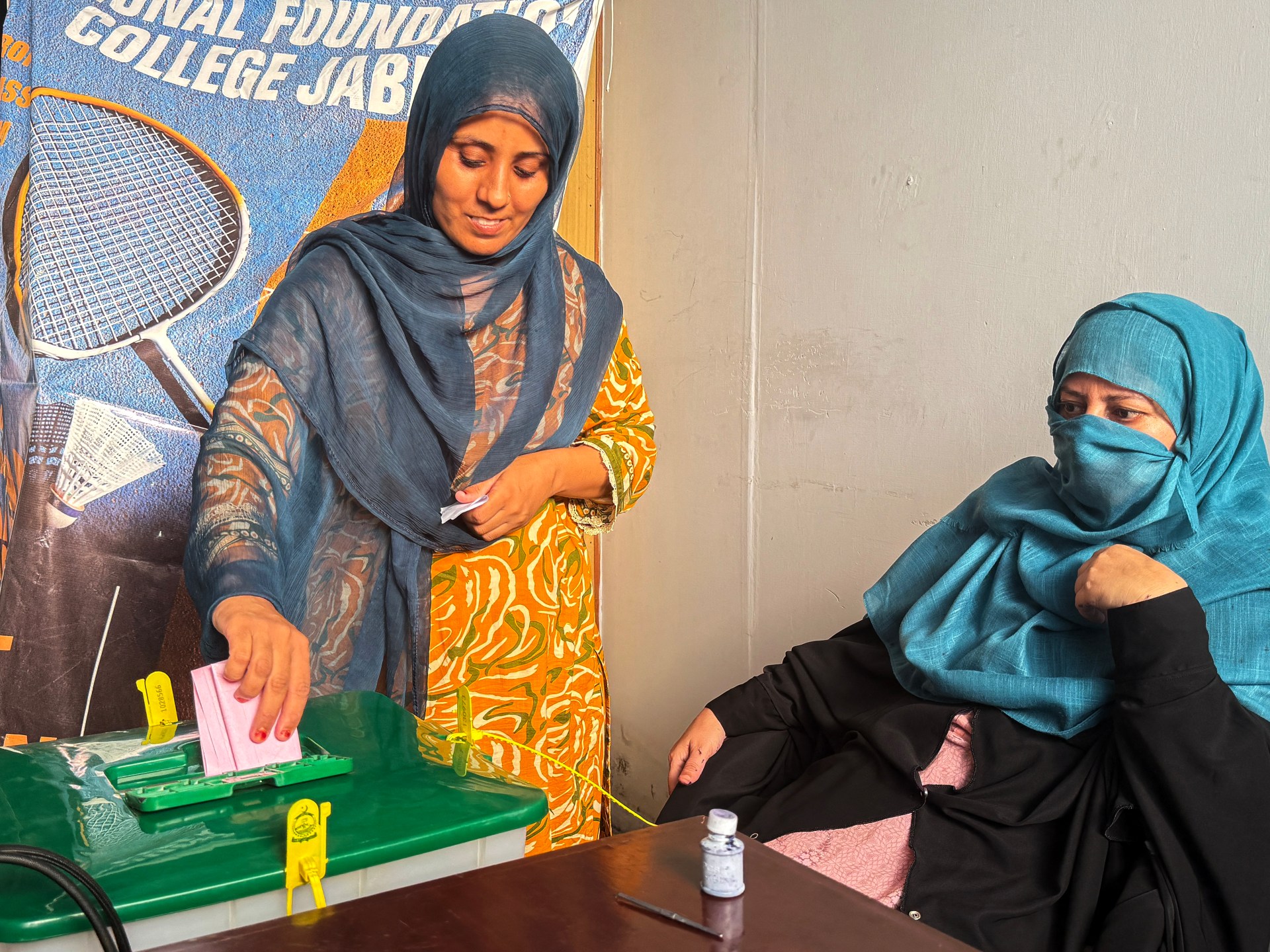
The Pakistan-administered Kashmir vote began Monday under heavy security, opening the first stage of local legislative elections after weeks of unrest. Al Jazeera and AFP reported that the election is being treated as a security test after clashes between police and protesters left nearly 40 people dead since early June.
Voting started in Mirpur district, the first area scheduled to cast ballots in a three-phase process. Witnesses cited by Al Jazeera and AFP said turnout there appeared low amid summer heat.
About 3.8 million residents are eligible to vote in the Pakistan-administered part of the disputed Himalayan region, according to Al Jazeera and AFP. The local electoral commission said last week that voting would be spread over three rounds because security forces were under strain.
Why is Pakistan-administered Kashmir voting in phases?
The electoral commission said the election was split into three phases because of concerns that available security personnel were stretched. The decision followed weeks of protests that escalated into deadly confrontations, prompting authorities to suspend mobile and internet services across much of the territory, Al Jazeera and AFP reported.
Some candidates said the communications curbs made campaigning harder. Independent candidate Malik Alauddin told AFP before the vote that the internet shutdown had created serious problems for candidates and for the election process by making it more difficult to reach voters.
Alauddin said he shifted to older campaign methods, including village meetings and door-to-door outreach in remote areas. He told AFP that online campaigning would have allowed one post to reach large numbers of voters, while the shutdown forced candidates to travel from village to village.
What triggered the unrest before the election?
The protests were led by the Jammu Kashmir Joint Awami Action Committee, known as JAAC, according to Al Jazeera and AFP. The movement’s demands began with subsidised flour and cheaper electricity and later grew to a 38-point agenda, with the abolition of 12 assembly seats reserved for Kashmiri refugees listed as its chief demand.
The local government banned JAAC in June under anti-terrorism laws, Al Jazeera and AFP reported. Its leaders have since been arrested, gone into hiding or continued organising from sit-in camps in Rawalakot, the administrative headquarters of Poonch division and the centre of the protests.
JAAC supporters have urged residents to boycott the election. They argue that the 12 reserved seats allow major Pakistani political parties to influence the local parliament through voters who mostly live outside the region, according to Al Jazeera and AFP.
The first phase of voting proceeded despite the boycott call, the communications restrictions and the recent violence. The remaining rounds are expected to continue under the phased security plan announced by the electoral commission.
This story draws on original reporting from Al Jazeera.