
Oil rises as Lebanon attacks complicate Hormuz reopening
Brent moved back above $80 as traders weighed renewed Israel-Hezbollah fighting and limited shipping through the Strait of Hormuz.
By Sofia Marchetti · World Affairs Correspondent
3 min read
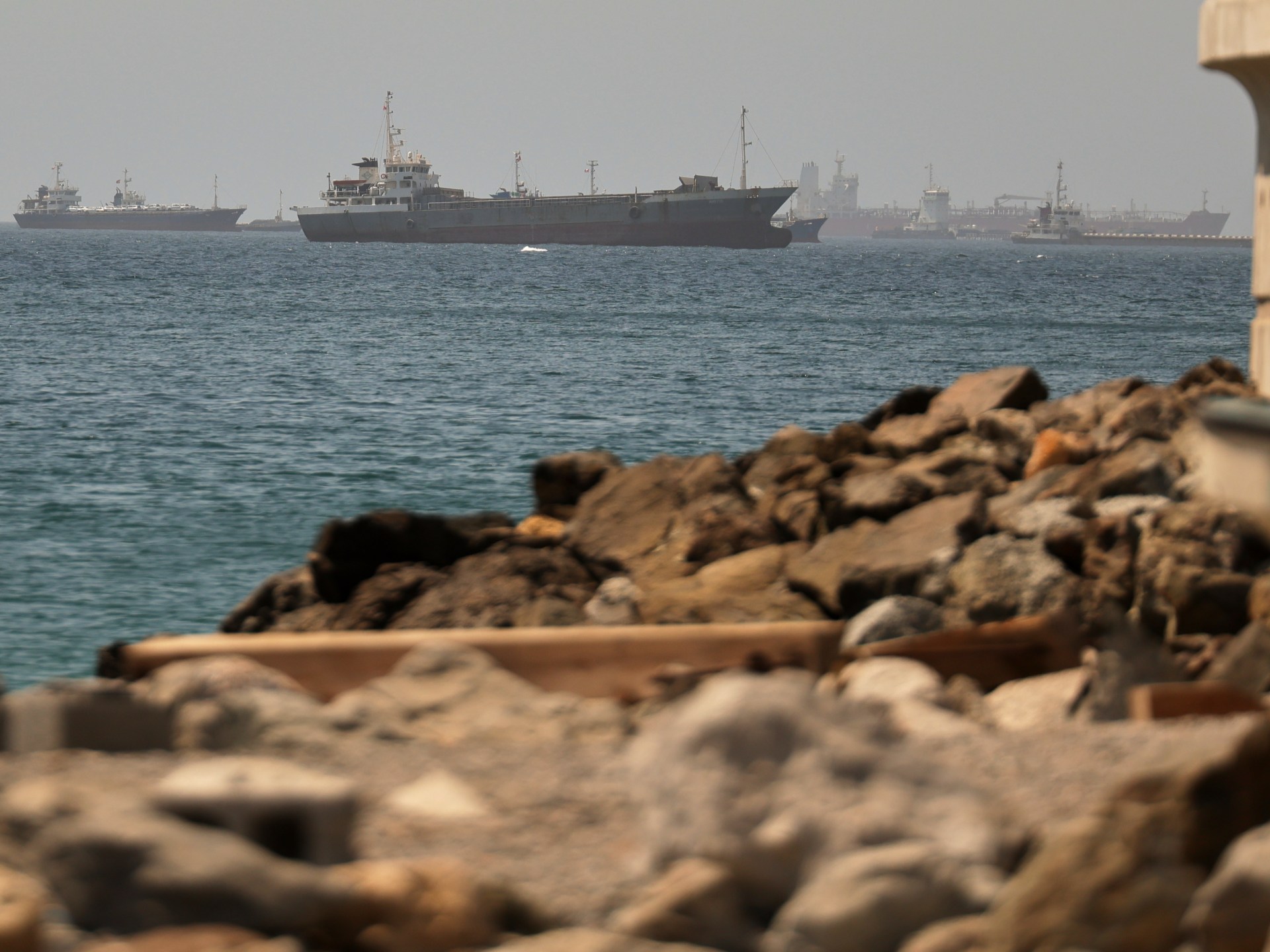
Oil prices turned higher Friday as new fighting involving Israel and Hezbollah added doubt to efforts by the United States and Iran to end their conflict and reopen the Strait of Hormuz. The move matters for energy markets because the waterway carries about one-fifth of global oil supply in normal times, according to Al Jazeera.
Brent crude, the international benchmark, rose 0.65 percent Friday after falling as much as 0.9 percent earlier in the session, Al Jazeera reported. Brent futures for August delivery stood at $80.37 at 06:30 GMT, putting the contract above $80 for the first time since Wednesday.
The early decline followed signs that more commercial vessels carrying energy supplies were moving through the strait, according to Al Jazeera. Traders were still assessing how a US-Iran memorandum of understanding to end their war and reopen the channel would work in practice.
Al Jazeera reported that Israel launched attacks on Lebanon that killed 16 people and put pressure on the US-Iran ceasefire agreement. Israeli media said clashes between Israel and Hezbollah forces in southern Israel on Friday killed four Israeli soldiers.
A planned meeting between US and Iranian officials in Switzerland was cancelled, Al Jazeera reported, citing reports that linked the cancellation to the attacks. The Strait of Hormuz still appeared open to shipping, according to the report.
Financial markets in parts of Asia also swung during the session. Seoul’s Kospi rose more than 2.5 percent to a record high shortly after the open, then fell 1.8 percent before recovering to a 0.8 percent gain, Al Jazeera reported. Tokyo’s Nikkei 225, which had gained about 0.6 percent early, later traded down 0.08 percent.
Markets in Shanghai, Hong Kong and Taipei were closed for the day, according to Al Jazeera.
Maritime analysis firm Kpler said three Saudi-flagged oil supertankers carrying about 6 million barrels of crude left the Strait of Hormuz on Thursday. Kpler said the ships broadcast their positions after spending weeks in the Gulf with their transponders switched off.
Shiptracking data showed the Hong Kong-flagged oil tanker Tong Lin Wan and the France-flagged LNG tanker Mraikh also passed through the waterway Thursday, Al Jazeera reported. Even with those movements, traffic remained far below prewar levels, when 120 to 130 vessels transited the channel each day.
More than 500 vessels are estimated to be waiting to leave the Gulf through the strait, according to Al Jazeera. Ship operators remain wary after months of threats and attacks, despite commitments by Washington and Tehran to reopen the route.
The International Maritime Organization said at least 46 attacks have been carried out against ships near the channel since the conflict began in late February, killing 14 seafarers. Al Jazeera also reported that the strait is believed to contain an unknown number of Iranian naval mines, which could require mine-sweeping work lasting weeks.
INTERTANKO, the International Association of Independent Tanker Owners, called Thursday for more detail on how safe passage will be secured. “Without clarity on these issues, ships will be unsure whether to transit the Strait of Hormuz,” Managing Director Tim Wilkins said in a statement.
Wilkins said some vessels would begin moving, but that owners remained cautious. He said seafarer safety had been central to those decisions and that owners did not want to risk crews while conditions were still uncertain.
This story draws on original reporting from Al Jazeera.