
Oil prices fall as Hormuz traffic resumes and demand concerns grow
Tankers are moving again through the Strait of Hormuz, but analysts warn any surplus depends on China’s buying and a fragile US-Iran truce.
By Lucas Ferreira · Science & Environment Writer
4 min read
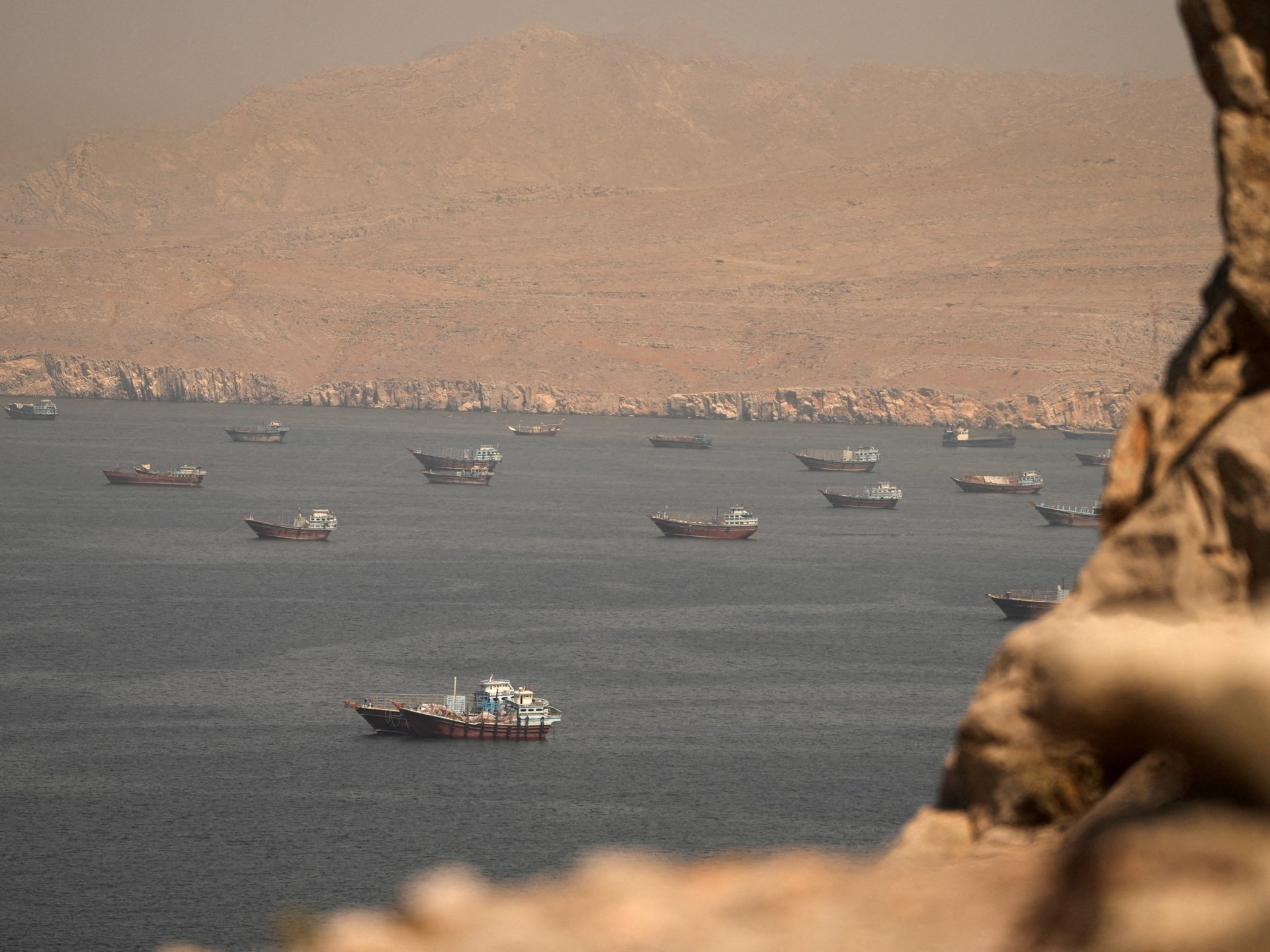
Oil prices have retreated as traffic through the Strait of Hormuz recovers more quickly than many market watchers expected, according to Al Jazeera. The shift matters because the waterway carried about one-fifth of global oil supply before the US and Israel began strikes on Iran on February 28.
Al Jazeera reported that the reopening followed a June 17 memorandum of understanding between the US and Iran and indirect talks in Qatar over shipping through the strait. Qatar said the two sides had made progress, and oil prices fell for a third straight day on Thursday, dropping about 1 percent.
Brent crude futures were down $0.79, or 1.1 percent, at $70.78 a barrel by 06:42 GMT on Thursday, while US West Texas Intermediate fell $0.84, or 1.2 percent, to $67.74, according to Al Jazeera. Both benchmarks had also lost more than 1 percent in the prior session.
Traffic returns, but risks remain
The US-Iran memorandum opened a 60-day negotiating period for a permanent peace deal, Al Jazeera reported. Under the interim arrangement, Iran agreed to allow vessels through the strait without charge during that period, though Tehran has argued the deal preserves its control over the passage in coordination with Oman.
The agreement remains fragile, according to Al Jazeera. The US carried out strikes on Iran last week, citing an attack on a commercial vessel as the reason.
Bloomberg quoted Morgan Stanley as saying 35 oil and gas tankers left the Strait of Hormuz on Thursday. Al Jazeera reported that Morgan Stanley said this was the first time traffic had returned to a range typical of levels before the war.
Morgan Stanley has lowered its oil forecasts twice in two weeks, warning that the market could face a glut, Al Jazeera reported. That warning depends on demand staying weak, especially from China, and on the US-Iran ceasefire framework holding.
China’s imports weigh on the outlook
China, the world’s largest oil importer, has cut purchases after the sharp rise in prices during the conflict, according to Al Jazeera. The country has drawn from commercial stockpiles and shifted some buying toward Russia, Kazakhstan, Brazil, Indonesia and Venezuela.
Mohammad Reza Farzanegan, a professor of economics at Philipps-Universitat Marburg’s Center for Near and Middle Eastern Studies and School of Business and Economics, told Al Jazeera that a surplus forecast should be treated with caution. He said the market is factoring in stronger Hormuz flows and a temporary opening for Iranian exports, but both assumptions are uncertain.
Bloomberg, citing Kpler, reported that more than 20 million barrels of Iranian crude had been ready to sail for at least seven days, up nearly 18 percent from a week earlier. Vortexa and Bloomberg data put Iranian oil loaded on ships, whether moving or stationary, at 58 million to 68 million barrels since the US sanctions waiver began last week, according to Al Jazeera.
More than 90 percent of those cargoes on the water have no clear destination, Al Jazeera reported, as independent Chinese refiners that previously bought heavily from Iran have arranged supplies elsewhere.
Kevin Morrison, an energy finance analyst at the Institute for Energy Economics and Financial Analysis, told Al Jazeera that Morgan Stanley’s surplus outlook depends on Chinese imports staying below pre-conflict levels. Morrison also pointed to rising output from the US, Canada, Brazil and Argentina, with US production reaching a record 13.934 million barrels per day in April.
Morrison said the glut forecast also assumes the US and Iran maintain their deal and that Hormuz flows return to the pre-conflict level of 20 million barrels a day. He told Al Jazeera that level may not be reached until next year because of damage to production infrastructure during the conflict.
PortWatch shipping data shows only a partial and slow recovery in Hormuz traffic, according to Al Jazeera. Farzanegan said the seven-day moving average remains below the prior-year level, suggesting that more oil may return to the market while logistics remain short of normal.
Farzanegan told Al Jazeera that US sanctions relief for Iran is due to expire on August 21 and may not be extended. He described the current outlook as a temporary surplus risk under high political uncertainty, rather than a settled oil glut.
This story draws on original reporting from Al Jazeera.