
Oil falls below $71 as Iran peace talks lift supply hopes
Brent crude returned to pre-war levels as Qatar and the US signaled progress in talks over a deal to end the US-Israel war on Iran.
By James Whitfield · Staff Writer
3 min read
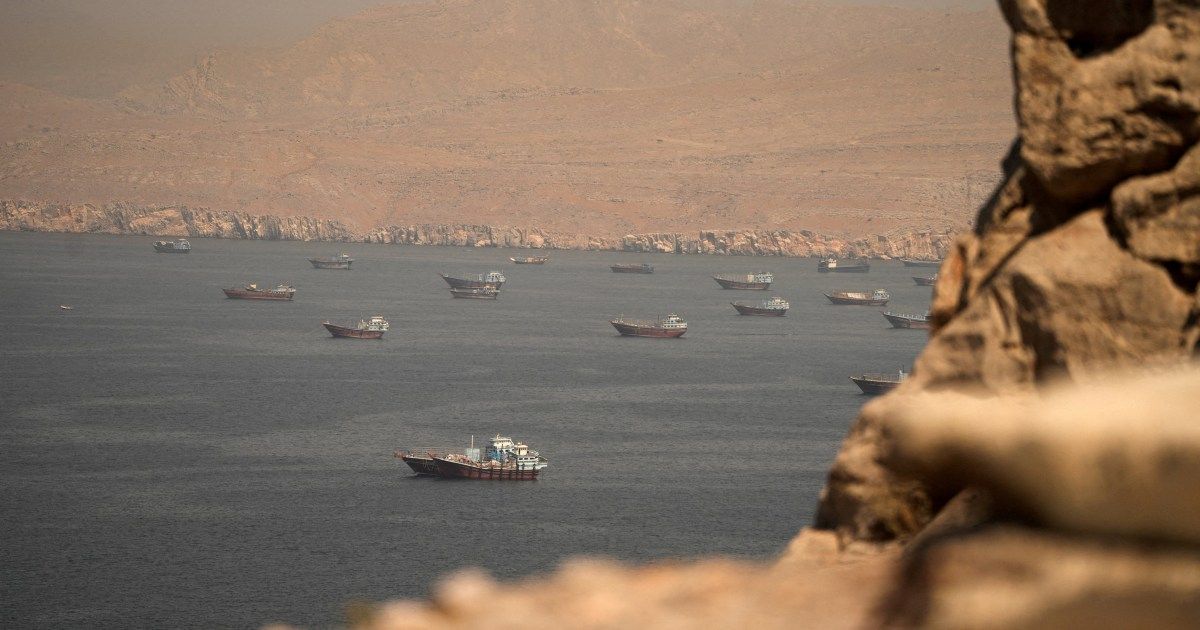
Oil prices fell Thursday to their lowest level since before the US-Israel war on Iran, according to Al Jazeera, as traders reacted to signs of progress in talks aimed at making a peace deal permanent. Lower prices matter for energy markets because the conflict had pushed crude sharply higher and disrupted shipping through the Strait of Hormuz.
Al Jazeera reported that Brent crude, the international benchmark, dropped more than 1 percent to below $71 a barrel. Brent futures for August delivery were at $70.82 a barrel at 04:30 GMT, the lowest level since February 27, according to the report.
The fall leaves Brent more than 38 percent below its post-war high of more than $126 a barrel on April 30, Al Jazeera reported. The retreat came as Qatar, which has been mediating between Washington and Tehran, said US and Iranian officials had made “positive progress” in indirect negotiations over unresolved issues tied to a memorandum of understanding on ending the war.
US President Donald Trump also gave an upbeat assessment Wednesday, saying the “denuclearisation of Iran is moving along well,” according to Al Jazeera.
Hormuz traffic shows limited recovery
Vandana Hari, founder of Singapore-based oil market analysis firm Vanda Insights, told Al Jazeera that prices had been pulled down by a gradual increase in Gulf oil flows and more hopeful views of the geopolitical situation.
Hari said several major points in the memorandum of understanding remain unsettled, but that Washington and Tehran appear to have stepped back for now from a confrontation over temporary transit arrangements in the Strait of Hormuz. She told Al Jazeera she expects crude to keep easing until stranded oil cargoes move through the system, with prices at risk of falling too far in the short term.
Hari added that a clearer test for Persian Gulf supply will come after the backlog clears, when markets reassess supply and demand.
Shipping through the Strait of Hormuz has begun to recover after a sharp drop that followed attacks on two commercial vessels in the waterway on Thursday and Saturday, Al Jazeera reported. The strait is a key route for oil and liquefied natural gas shipments, carrying about one-fifth of global trade in those fuels during peacetime, according to the report.
MarineTraffic data cited by Al Jazeera showed at least 40 vessels crossed the strait on Tuesday, up from 27 on Monday and 22 on Sunday. Traffic remains well below the pre-war level of about 130 daily crossings, with safety concerns still weighing on movement through the channel.
Under the June 17 memorandum of understanding with the United States, Iran agreed to use its “best efforts” to arrange safe passage for vessels, Al Jazeera reported. Tehran has since repeatedly asserted sole control over movement through the strait, according to the report.
MarineTraffic has recorded at least 49 attacks on commercial vessels in the Strait of Hormuz since the war began, Al Jazeera reported. Most of those attacks were either claimed by Tehran or attributed to Iranian forces, according to the report.
This story draws on original reporting from Al Jazeera.