
Nicaragua election reform would bar Ortega opponents from future votes
A draft constitutional change would exclude “traitors” from elections and extend Nicaragua’s presidential term to seven renewable years.
By Sofia Marchetti · World Affairs Correspondent
2 min read
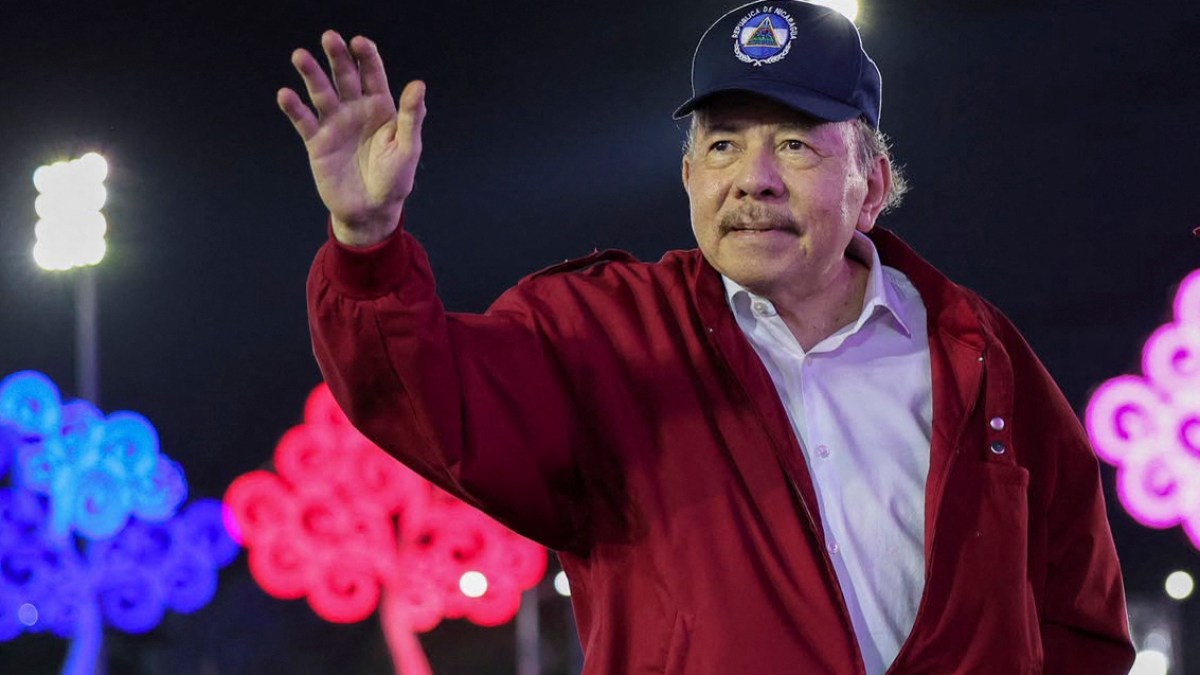
A Nicaragua election reform sent to Congress would keep “traitors” and “coup-plotting” opposition figures off future ballots and lengthen the presidential term, according to Al Jazeera and Reuters. The proposal comes after President Daniel Ortega said there would be no elections in Nicaragua to stop the opposition from “seizing the government.”
Congress President Gustavo Porras outlined parts of the draft on Tuesday, several media outlets reported. He said the government system would be organized under what he called the “presidency of the people” with a seven-year “renewable” term.
The measure is expected to win approval in September, according to Al Jazeera and Reuters. Few other details of the draft were made public when Porras described it.
What would Nicaragua's election reform do?
The proposal would exclude people described by the government as “traitors” or “coup-plotting” opposition members from elections, according to the draft cited by Al Jazeera and Reuters. It would also extend the presidential term from six years to seven years, with the possibility of renewal.
The draft follows a 2024 constitutional amendment that had already expanded the presidential term from five years to six. That earlier change also elevated Rosario Murillo, Ortega’s wife and then vice president, to co-president, and delayed planned elections until late 2027.
Opponents criticized the 2024 changes as a move to keep Ortega’s family in power indefinitely, Al Jazeera and Reuters reported. The new proposal would further reshape the rules for political competition in a country where Ortega has tightened control over public institutions and opposition activity.
How did Nicaragua get here?
Ortega, a former Marxist rebel, helped overthrow the right-wing Somoza family dictatorship in the late 1970s. Since returning to office in 2007, he has become the longest-serving leader in the Americas, according to Al Jazeera and Reuters.
He began a fourth consecutive term in January 2022 after winning an election the previous November. That vote took place amid rising criticism and sanctions from much of the international community, led by the United States and the European Union, according to Al Jazeera and Reuters.
Nicaragua has remained in a political crisis since April 2018, when Ortega’s government responded to antigovernment protests with a crackdown. Human rights organizations say more than 300 people were killed.
The latest draft follows Ortega’s recent public rejection of elections as a route for the opposition to gain power. If Congress approves the measure as expected, Nicaragua’s next political contest would take place under rules that give the government broader grounds to exclude opponents and keep the presidency on a longer timetable.
This story draws on original reporting from Al Jazeera.