
New Jersey prison suicides renew scrutiny of isolation and mental health care
Al Jazeera account details suicides, isolation and mental health concerns inside New Jersey State Prison, with officials saying each death is investigated.
By Daniel Okafor · Business Editor
3 min read
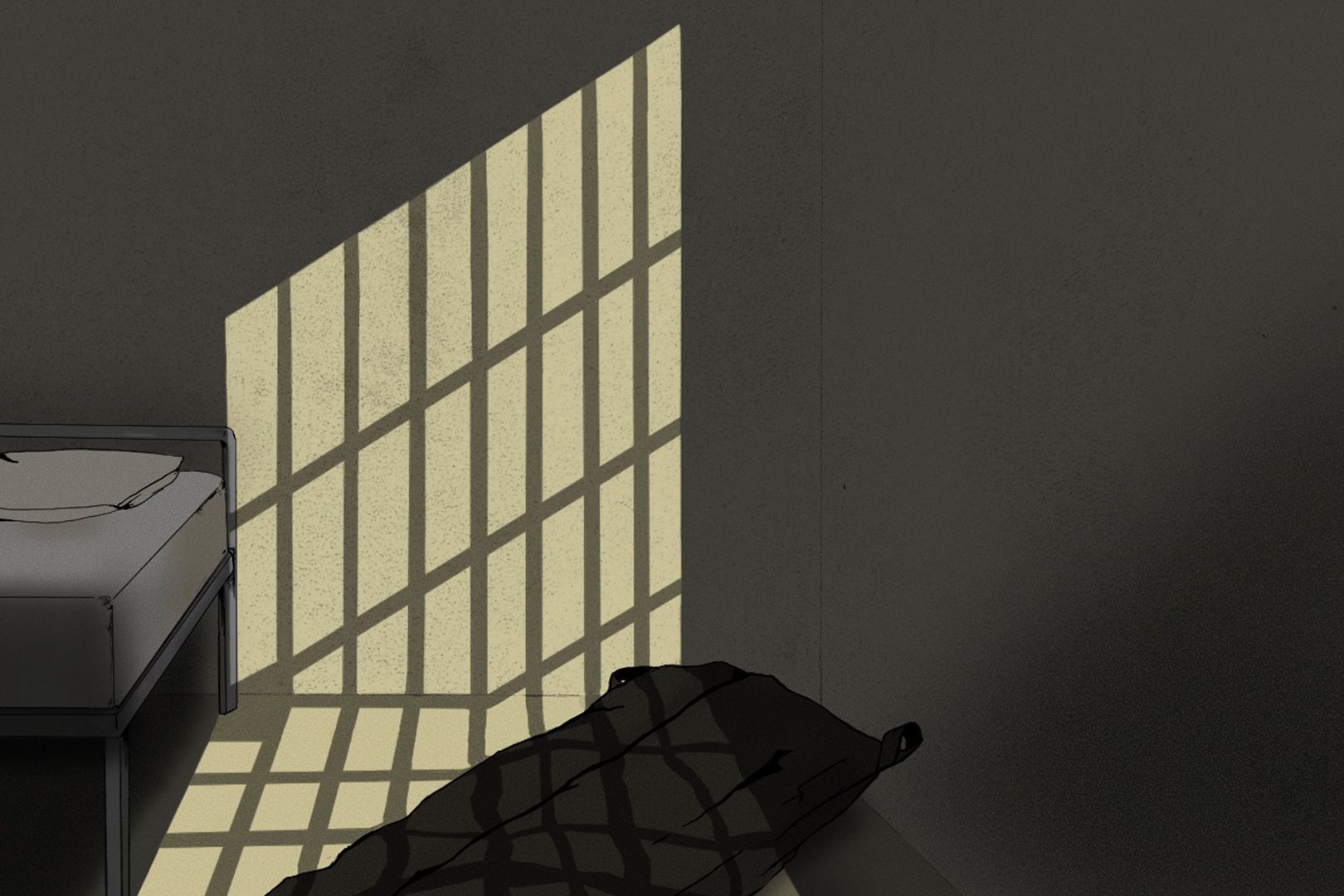
Multiple suicides at New Jersey State Prison have drawn fresh attention to mental health care, solitary confinement and how deaths are handled behind bars. Al Jazeera reported the account of Tariq MaQbool, an incarcerated writer who said suicide attempts have become common enough at the prison to be announced over the public address system as “Code 66.”
MaQbool wrote that he had been incarcerated since 2005 and lived at New Jersey State Prison before being transferred earlier this year to East Jersey State Prison. He said Code 66 calls, once rare, are now heard at times several times a week.
The New Jersey Department of Corrections confirmed to Al Jazeera that Peter Rusch, Mark Todd, Andrei Goumonov and Timma Kalidindi died by suicide. The department said it “prioritizes the safety, dignity, and care of every individual” in custody and that every death is thoroughly investigated.
Suicides and long sentences
MaQbool reported that at least three men died by suicide at New Jersey State Prison in 2025: Todd in a mental health unit, Rusch in lockup and Goumonov in protective custody. He said Kalidindi died by suicide the year before.
According to prison administration figures cited by Al Jazeera, 13 suicides occurred in New Jersey state prisons from 2018 through 2024, with half taking place in disciplinary housing units. MaQbool described a routine after deaths in custody: the area is locked down, the body is removed, property is cleared and the person’s name disappears from prison count sheets.
Al Jazeera also cited the Sentencing Project’s figures on long-term imprisonment. The group reported that the number of people serving life without parole in the United States rose from 9,000 in 1992 to 56,245 in 2024, while the total incarcerated population grew from about 360,000 in the 1970s to nearly two million.
A death after an earlier attempt
MaQbool said he first met Rusch in October 2022 while both were held in a closed custody unit. He described Rusch as a man with mental health issues who was kind to other incarcerated people and hostile toward staff.
In MaQbool’s account, Rusch once lent him shower slippers after MaQbool arrived in segregation with only sneakers. The next day, MaQbool wrote, Rusch became upset after officers did not take him to a kiosk, asked for mental health care and said he wanted to kill himself.
MaQbool said officers later found Rusch unconscious in his cell after a Code 66 call, cut him down, restrained him and removed him from the unit. About a year and a half later, MaQbool said, he learned Rusch had died after another suicide attempt in 7-Wing, an area used for segregated confinement.
Al Jazeera reported MaQbool’s claim that Rusch had expected to be released but faced a pending charge or delay he did not understand. MaQbool also wrote that Rusch’s mental health history should have placed him among a “vulnerable population” under the Isolated Confinement Restriction Act, making extreme isolation inappropriate.
Isolation and disconnection
Al Jazeera also interviewed an incarcerated man identified by the pseudonym Jim Smith to protect his privacy. Smith, a Native American man from Colorado serving a life sentence, said he had attempted suicide more than once and blamed the New Jersey Department of Corrections and the hardships of confinement.
Smith told Al Jazeera he had been diagnosed with depressive disorder, antisocial personality disorder and substance use disorders. He said distance from his children and family, unanswered calls and letters, isolation and a lack of Native cultural programming worsened his distress.
MaQbool argued that deaths in custody receive too little public scrutiny because the public does not see what incarcerated people see after a suicide or other death. The corrections department, in its statement to Al Jazeera, said deaths are investigated and that it is committed to the care of people in custody.
This story draws on original reporting from Al Jazeera.