
Volkswagen restructuring plan rejected amid labor pressure
Reuters reported the supervisory board voted down a streamlining plan as Volkswagen weighs a smaller lineup and lower factory complexity.
By James Whitfield · Staff Writer
3 min read
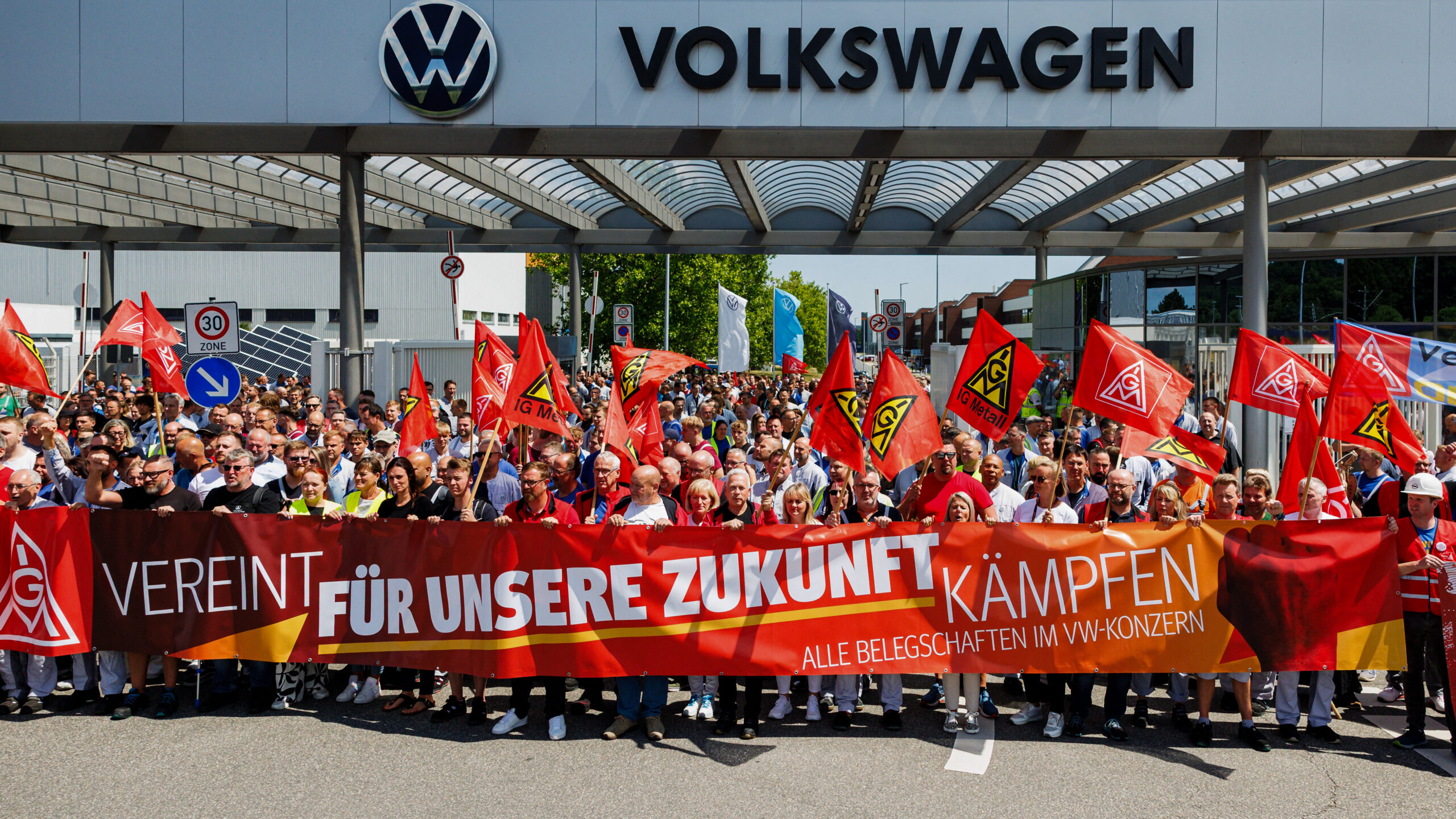
Volkswagen Group’s effort to simplify its business hit a boardroom setback, according to Reuters, as the automaker tries to protect margins strained by tariffs and weaker positions in China and North America. The dispute matters because Europe’s largest carmaker is weighing how much capacity, model variety and labor it can sustain while its sales mix changes.
Reuters reported that Volkswagen’s supervisory board rejected the measure by a 12-7 vote after tense stakeholder talks. Volkswagen’s public statement on the plan did not say plants would close or workers would be laid off, even as earlier reports had pointed to possible factory closures and deeper job reductions.
Volkswagen said its executive board presented a “future plan” intended to make the group more efficient. The company, which owns brands including Audi, Porsche, Skoda and Lamborghini, said it wants to cut the number of vehicles it offers across its brands by half and focus on what it called the “most attractive market segments.”
The plan also targets the number of choices available to customers. Volkswagen said it would reduce “offering complexity,” including available equipment options, by as much as 75 percent, a move that would simplify production at its factories.
The company pointed to a gap between demand and production capacity. Volkswagen said global demand for its vehicles is about 9 million units a year, while the group has the ability to build 10 million vehicles annually. It also said it has already reduced capacity by 2 million units since the COVID period.
Labor holds unusual power at Volkswagen
Volkswagen’s governance structure gives workers a stronger role than at many global automakers. Half of the supervisory board’s 20 seats are appointed by worker councils, while two other seats are tied to the German state of Lower Saxony’s stake in the company and are currently held by the state’s minister of education and minister-president.
That structure makes labor support central to major decisions. Volkswagen and its unions spent months negotiating in 2024 before agreeing on a plan to cut 35,000 jobs by 2030, according to the account of those talks.
The scale of expected reductions has since been reported to have grown. By March, the figure had risen to 50,000 jobs, and a German magazine reported in late June that Volkswagen could cut 100,000 jobs by 2030 and close four German factories. Such closures would be a first in the company’s history, according to that report.
Volkswagen’s latest public description avoided direct references to layoffs or shutdowns. Still, a smaller vehicle range, fewer options and excess annual capacity all point to a company seeking to build fewer, more standardized cars with less strain on its manufacturing system.
The pressure comes despite stronger electric vehicle performance in Volkswagen’s home region. The company has been hurt by tariffs and by declining market share in China and North America, according to the report, leaving management with limited room to absorb high costs.
Reuters’ account of the failed vote means Volkswagen’s leadership will have to revise its approach or find a compromise that can pass a board where labor and public ownership interests carry significant weight.
This story draws on original reporting from Ars Technica.