
Netanyahu-Trump meeting puts Iran war strains on display
Netanyahu meets Trump for the first time since the Iran war began as both leaders face domestic pressure and policy splits.
By Sofia Marchetti · World Affairs Correspondent
4 min read
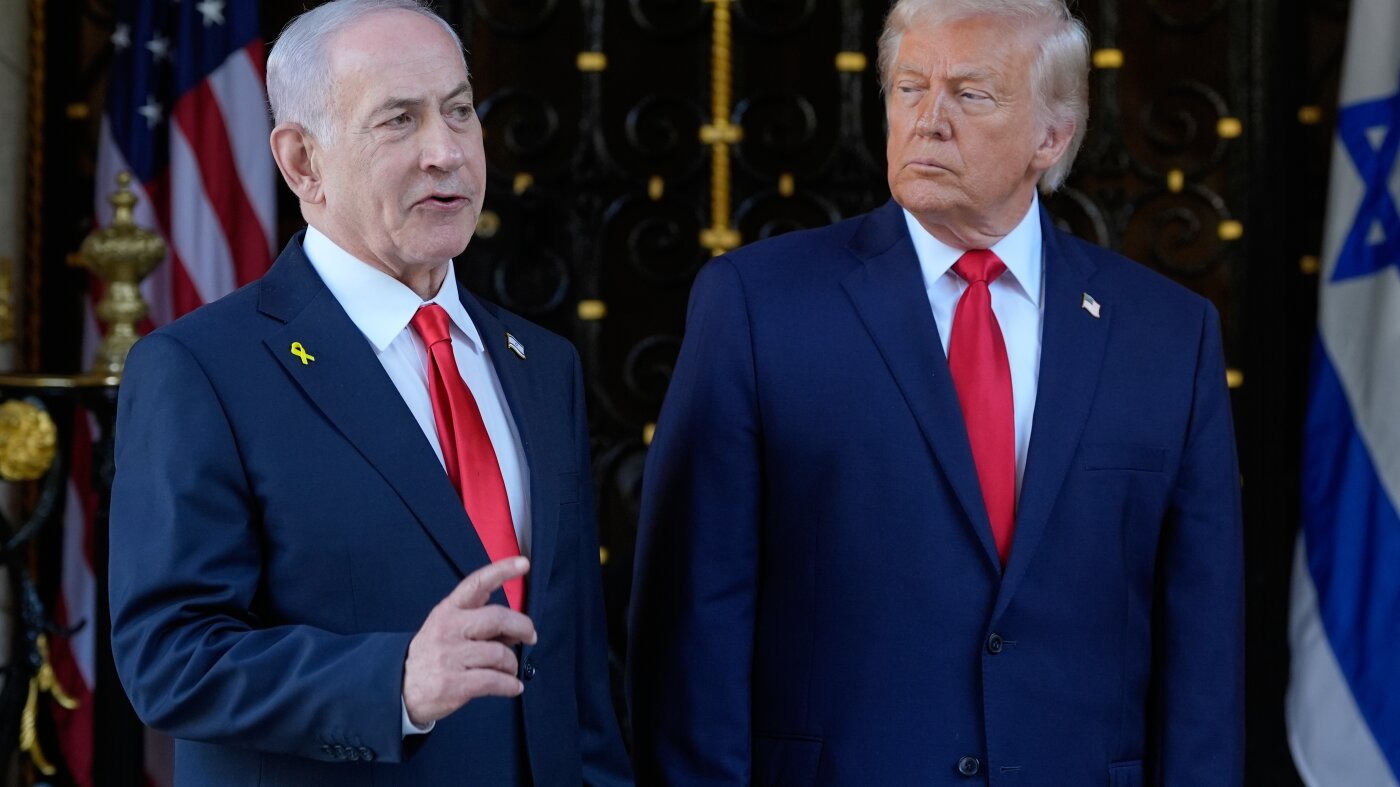
The Netanyahu Trump meeting set for Tuesday is the first between the two leaders since the United States and Israel began their joint war against Iran, according to The Associated Press. The White House talks carry high stakes for both leaders: Prime Minister Benjamin Netanyahu is facing reelection in Israel, while President Donald Trump is under pressure to end a war that AP reported has damaged economies and pushed prices higher before November’s midterm elections.
The meeting also gives Netanyahu a chance to repair a relationship that has become more strained as Trump has sought a deal with Tehran. Asked Monday whether he and Netanyahu were aligned on Iran, Trump told reporters, “We have a little difference,” adding that they were “pretty close.”
What will Netanyahu and Trump discuss?
A White House official told AP, on condition of anonymity, that the agenda includes Iran, a U.S.-Israel framework agreement with Lebanon over the Israel-Hezbollah war, and efforts to expand the Abraham Accords. The official spoke anonymously to preview the meeting.
Netanyahu also plans to present Trump with Israeli intelligence on Iran’s nuclear program, according to a person familiar with the visit who spoke to AP on condition of anonymity because they were not authorized to discuss it publicly. On Fox News Channel’s “Sunday Morning Futures,” Netanyahu said he wanted to hear Trump’s plan for Iran and described the next step as largely Trump’s decision.
Netanyahu said he would welcome a path that avoided renewed intense fighting, but insisted Iran’s nuclear program must end. He also warned that Israel would respond forcefully if Iran attacked Israel.
Why the relationship is strained
Trump and Netanyahu began the Iran war in February with a public show of unity, AP reported, presenting U.S. and Israeli forces as coordinated in an effort to remove Iran’s leadership and open the way for a government friendlier to the West. That position became harder for Trump as Iran retaliated with drones and missiles against U.S. bases and high-rise buildings in Gulf cities and restricted traffic through the Strait of Hormuz.
As Trump pushed for an agreement with Tehran, Netanyahu favored continuing military action against Iran and Hezbollah in Lebanon, according to AP. Israeli journalist Amit Segal wrote in Israel Hayom that Washington was making clear to Israel that the United States was directing the war, and that Israel had been moved to “the back seat.”
Vice President JD Vance is expected to attend the meeting, a person familiar with the plan told AP on condition of anonymity. AP reported that Vance warned Israeli officials in June that Trump was their only friend among world leaders.
Gaza and Lebanon are also on the table
Netanyahu also needs to reassure Trump that Israel will not obstruct U.S.-backed diplomatic and reconstruction efforts in Gaza and Lebanon, AP reported. Trump has previously complained that Israeli strikes were killing too many people.
In Lebanon, where AP reported that Israel occupies much of the south, Israel has agreed to let the Lebanese army deploy in some villages under a pilot program meant to test whether Lebanese forces can secure areas where Hezbollah had operated. The U.S. State Department said Monday that Israel and Lebanon will hold the next round of talks in Rome next week, with expansion of that program on the agenda.
In Gaza, Israel’s security cabinet approved a step Sunday that could allow the first members of an international stabilization force to enter under a U.S.-backed ceasefire deal between Israel and Hamas. AP reported that few countries have offered troops, and Israel would approve entry case by case.
Those troops, including forces from Morocco and Uganda, would be limited to a small area of Rafah in southern Gaza, where the plan is to vet and house some displaced Palestinians, according to AP. The Israeli military continues strikes it says target militants, while those strikes have also killed civilians.
Support for Israel in the United States has weakened, especially over Gaza, AP reported. An AP-NORC poll released earlier this month found a sharp drop in support for Israel among American adults.
This story draws on original reporting from NPR.