
Netanyahu says Israeli troops will stay in Lebanon, Syria and Gaza
Israel’s prime minister said forces would remain in occupied areas as Gulf states backed a US-Iran deal and warned over the Strait of Hormuz.
By James Whitfield · Staff Writer
3 min read
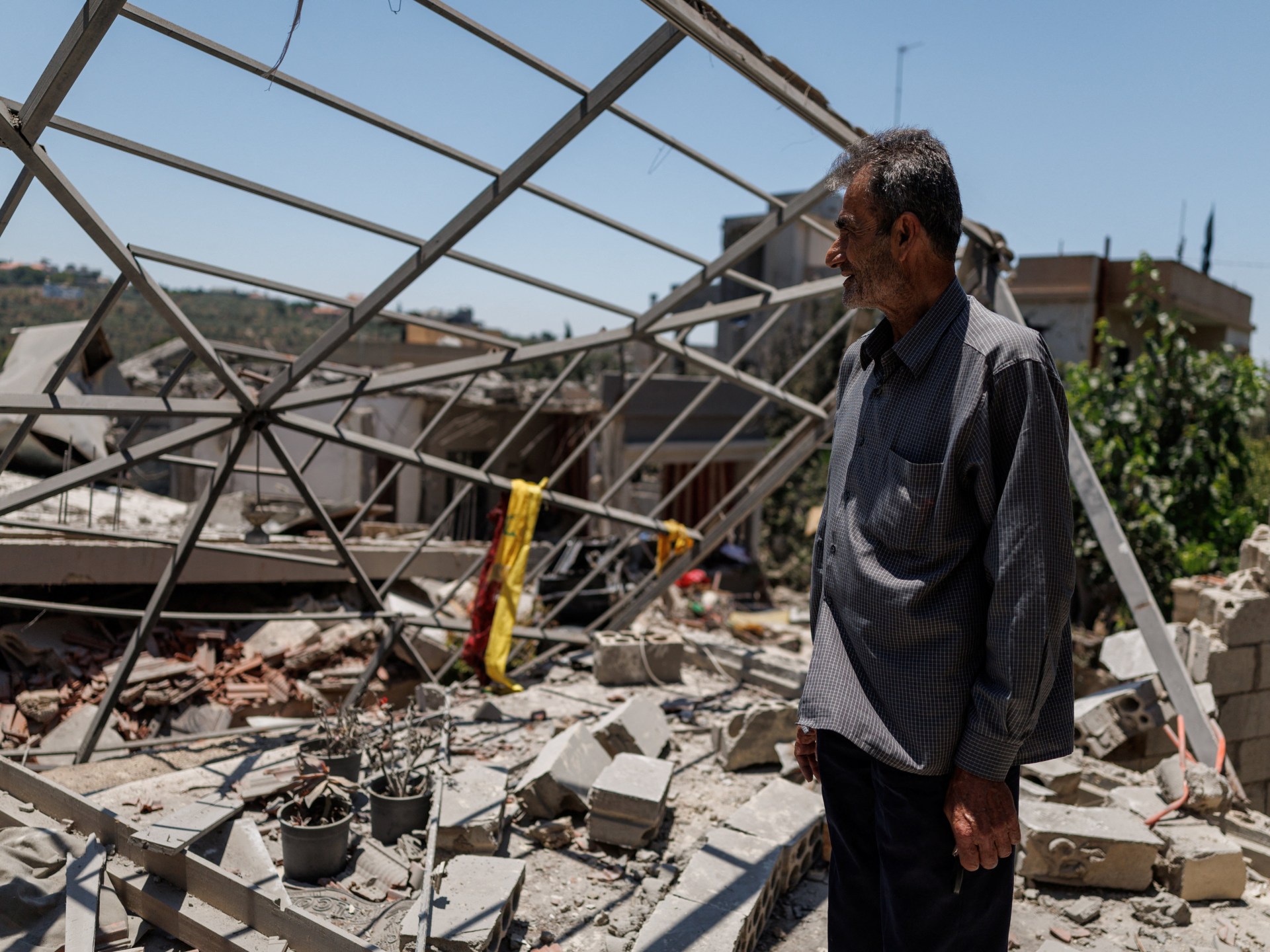
Israeli Prime Minister Benjamin Netanyahu said Israeli forces will keep a military presence in southern Lebanon, Syria and Gaza, a signal that Israel does not plan a quick withdrawal despite a US-Iran deal aimed at ending hostilities. The remarks came as Hezbollah accused Israel of killing civilians in southern Lebanon, according to Al Jazeera.
Al Jazeera reported that Netanyahu made the comments at a graduation ceremony for combat officers in southern Israel. He said Israel would hold what he called “dominating territories” for as long as needed, and separately said Israeli forces would remain in Lebanon, Syria and Gaza “as long as required.”
Hezbollah accused Israel of striking civilians who were trying to return to their homes in southern Lebanon, killing at least two people, Al Jazeera reported. The accusation followed a US-Iran agreement that Al Jazeera said stipulated an end to the war on all fronts.
Rubio meets Gulf ministers in Bahrain
US Secretary of State Marco Rubio met ministers from Gulf Cooperation Council countries in Bahrain, where the US and Gulf states set out positions on the Iran deal, Lebanon and maritime security, according to a statement summarized by Al Jazeera.
Rubio stressed what the statement called Washington’s lasting commitment to GCC security. The Gulf bloc welcomed the US-Iran agreement while saying negotiators needed to keep unity and momentum toward a more durable end to the fighting, Al Jazeera reported.
The ministers also rejected any tolls, fees or attempts to assert control over the Strait of Hormuz, according to Al Jazeera. Rubio said Washington wants the agreement with Tehran to succeed but would not accept “a deal at any price,” the outlet reported.
The Strait of Hormuz remained a focus after Iran’s Islamic Revolutionary Guard Corps warned against unauthorized crossings, according to Al Jazeera. The IRGC said vessels that do not comply “will be dealt with,” the outlet reported.
Gulf states back the US-Iran deal
The GCC includes Saudi Arabia, the United Arab Emirates, Qatar, Kuwait, Bahrain and Oman. Al Jazeera reported that the bloc was formed in 1981 after concerns over the ambitions of Iran’s post-revolutionary government.
Al Jazeera’s Urooba Jamal reported from Doha that Gulf countries welcomed the US-Iran agreement to end a war they had not wanted. The report said Israel has sought to isolate Iran and its regional allied groups since Iran’s 1979 Islamic Revolution, but that Israeli actions have pushed some Gulf states toward more practical engagement with Tehran.
Farah al-Qawasmi, a researcher at the Gulf Studies Center at Qatar University, told Al Jazeera that the conflict had pushed Gulf states to pursue a more pragmatic relationship with Tehran, including more dialogue intended to deter conflict.
In the Bahrain statement, the ministers also expressed support for Lebanon’s sovereignty, security, stability and territorial integrity, according to Al Jazeera. They backed US-brokered talks between Israeli and Lebanese government officials and condemned attacks by Iranian-backed groups in Iraq against GCC countries, including drone strikes damaging civilian sites, key infrastructure and energy security.
This story draws on original reporting from Al Jazeera.