
Modi pledges fast-track courts as exam leak protests grow
India’s prime minister promised faster punishment for exam paper leaks as youth-led protests over testing failures spread beyond New Delhi.
By Sofia Marchetti · World Affairs Correspondent
3 min read
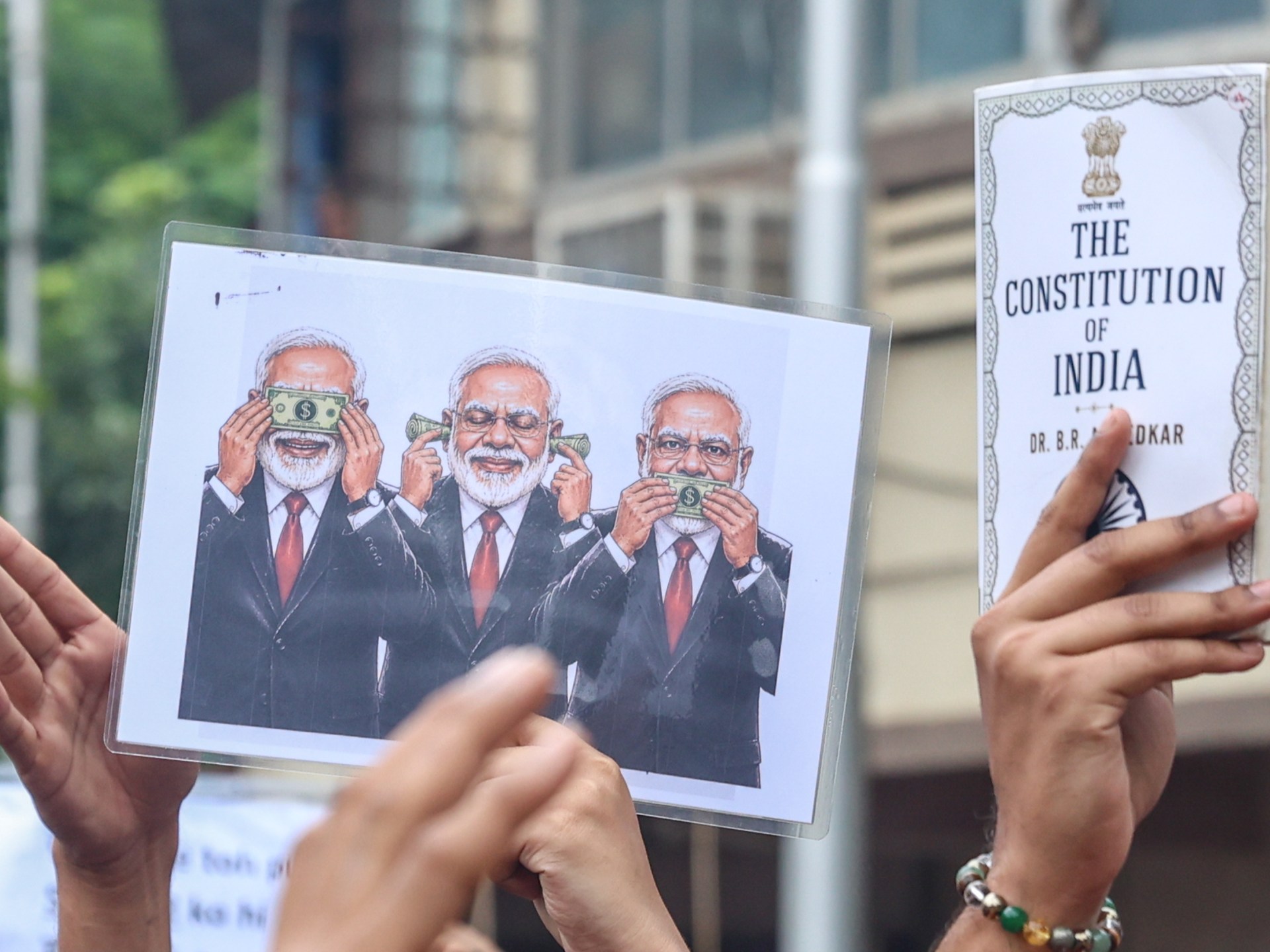
Indian Prime Minister Narendra Modi said his government will create fast-track courts for cases involving examination paper leaks, responding publicly to youth-led protests that have challenged his administration. The pledge came as anger over alleged irregularities in national medical entrance exams has drawn demonstrators into the streets of New Delhi and other major cities, according to Al Jazeera and AFP.
Modi wrote on X on Thursday that the welfare and future of young people was a priority. He said the government had decided to establish special courts to deliver quick and strict punishment for people involved in paper leaks, adding that those who damage students’ futures would face consequences.
The unrest has centered on New Delhi, where protesters have occupied Parliament Street for three days, Al Jazeera reported. Many have camped along the route linking Parliament House with Connaught Place, the capital’s main commercial district.
The demonstrations are being organized under the Cockroach Janta Party, or CJP, a satirical online movement founded in May that has become a wider platform for students and young Indians demanding changes to the country’s testing system. The group is also calling for the resignation of Education Minister Dharmendra Pradhan.
Protesters reject court plan
At the Jantar Mantar protest site in New Delhi, CJP founding president Abhijeet Dipke told the Indian news agency ANI that outsiders had been sent to provoke violence and undermine the protest. Dipke said the demonstrators had been sitting there for a month without such incidents.
Dipke later wrote on X that Modi appeared willing to close Delhi rather than remove Pradhan. CJP spokesperson Ashutosh Ranka also rejected the prime minister’s proposal, saying in a statement at Jantar Mantar that fast-track courts did not address the failures behind repeated leaks.
Ranka said the leaks were not occurring because India lacked speedy courts, but because Pradhan had failed in his role. The CJP’s stated demands include Pradhan’s resignation, the withdrawal of cases against peaceful protesters and financial assistance of 10 million rupees, or about $120,000, for each family of at least 12 students who have died by suicide since recent exam cancellations, according to Al Jazeera.
Al Jazeera correspondent Neeha Poonia reported from New Delhi that tens of thousands of people joined a march toward Parliament on Monday. She said officials had shut 16 metro stations in and around the protest area by Thursday, while protesters said the police response had strengthened their resolve to continue.
Crackdown and wider demonstrations
Police confronted demonstrators marching toward Parliament on Monday with tear gas and batons, according to Al Jazeera. Smaller protests were reported on Wednesday in Mumbai, Bengaluru and Patna.
In Mumbai, supporters of the CJP marched this week demanding Pradhan’s resignation, according to the EPA photo caption published by Al Jazeera. The protest followed the police removal and hospitalization of activist and educator Sonam Wangchuk over health concerns after a three-week hunger strike, the caption said.
Al Jazeera and AFP reported that the CJP’s rapid growth reflects broader frustration among young Indians over unemployment and recurring exam leaks. The movement has also given opposition politicians an opening to attack Modi and his Bharatiya Janata Party over education and youth issues.
This story draws on original reporting from Al Jazeera.