
Mediators seek 10-day pause in US-Iran fighting
Regional governments are pushing a short truce as attacks around the Strait of Hormuz raise fears of a broader war.
By Sofia Marchetti · World Affairs Correspondent
3 min read
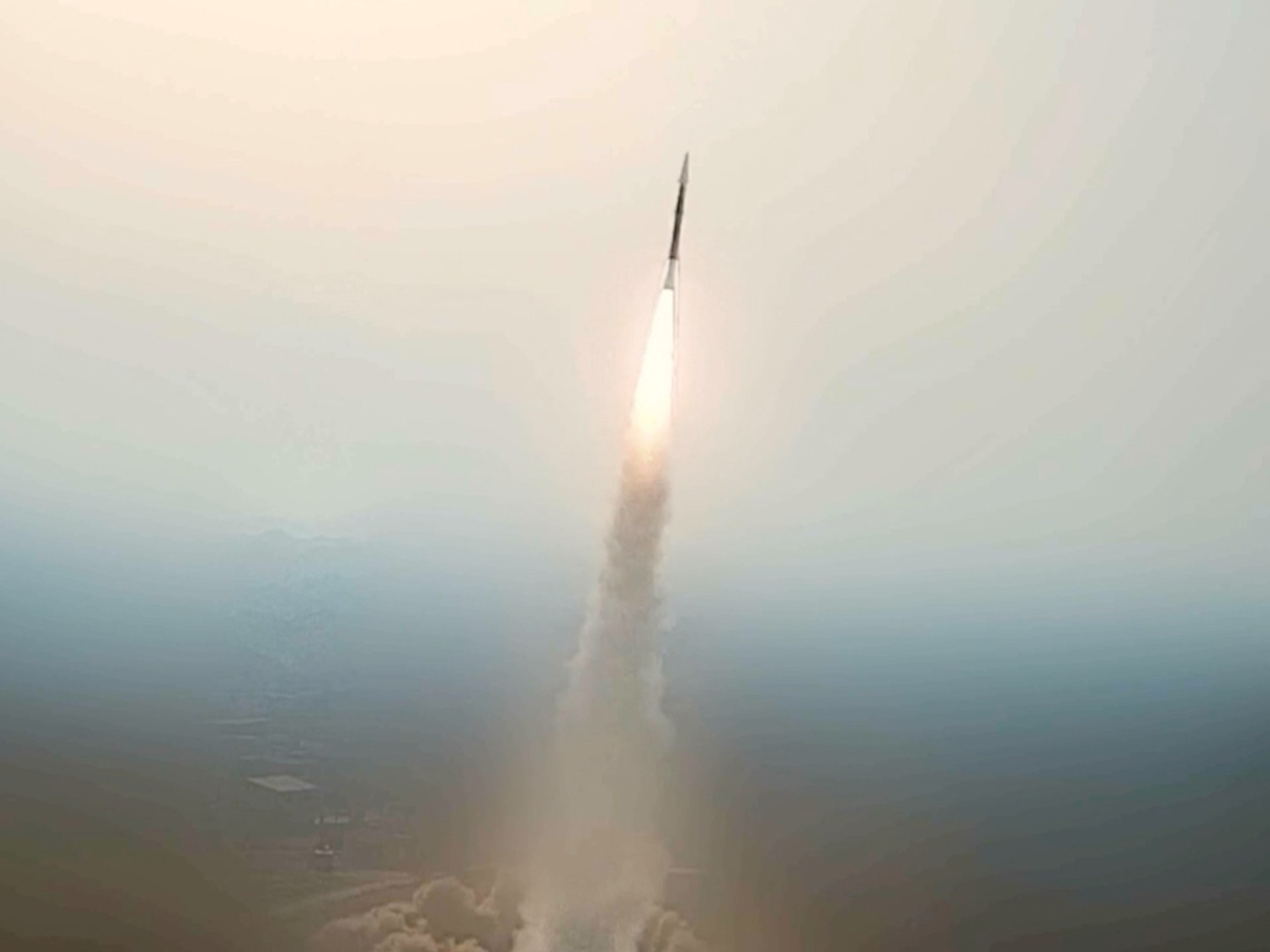
Regional mediators are trying to secure a pause in fighting between the United States and Iran as strikes spread across the Gulf and threaten key shipping routes. The effort matters because attacks have moved beyond military sites, exposing civilian infrastructure and nearby states to a widening conflict.
Iranian Foreign Ministry spokesperson Esmaeil Baghaei said Monday that Tehran had received proposals through mediators, Al Jazeera reported. He did not give details and said Iran’s military response would continue alongside any diplomatic effort.
Axios reported that Qatar, Egypt, Pakistan and other regional mediators have put a plan to Washington and Tehran for a 10-day halt in fighting. According to Axios, the pause would be used to revive an interim memorandum of understanding agreed last month and to reopen commercial traffic through the Strait of Hormuz.
Strait of Hormuz sits at the center
The Strait of Hormuz, a major oil and gas route, has become one of the main barriers to renewed talks, according to Al Jazeera. Axios reported that the proposal would reopen both an Iran-approved northern shipping lane now under a US naval blockade and a US-backed southern lane where ships have faced Iranian attacks.
Axios also reported that regional officials are discussing future transit arrangements, including a jointly managed fund involving the International Maritime Organization or Iranian collection of service fees tied to maritime security and environmental protection.
The latest diplomatic effort follows talks in Muscat on July 11 involving Oman, Iran and Qatar that did not produce an agreement, according to Al Jazeera. The earlier memorandum extended an April ceasefire and set out a framework for negotiations aimed at ending the war, which Al Jazeera said began on February 28 with Israeli and US strikes on Iran.
Analysts see limited room for a deal
Simon Mabon, a professor of international relations at Lancaster University, told Al Jazeera that the earlier memorandum reduced violence at first because it left enough room for each side to interpret it differently. He said that same ambiguity later weakened the arrangement, as Washington and Tehran accused each other of breaches while claiming to act within its terms.
Mabon said any replacement would need clearer commitments. He also told Al Jazeera that Iran views the Strait of Hormuz as a central source of leverage, while the deaths of three US service members over the past week have increased pressure on President Donald Trump to respond.
Alex Almeida, security director at Horizon Engage, told Al Jazeera that US strikes have expanded farther into Iran but remain mostly concentrated around Hormuz. He said he expected at least another week of exchanges in the Gulf and near the strait before new negotiations.
Trita Parsi, executive vice president of the Quincy Institute for Responsible Statecraft, told Al Jazeera that Iran has little reason to resume talks while military action continues. He said diplomacy is unlikely to succeed without a full commitment to negotiations and a halt to efforts to improve bargaining positions through force.
Regional spillover risk grows
Iranian officials say recent US attacks have hit a railway station and residential areas, while Al Jazeera reported that bridges, water facilities, food silos and other civilian infrastructure have also come under attack. The US has broadened its campaign beyond Iran’s southern coast, according to Al Jazeera.
After a 10th straight night of US bombing, Iranian strikes reportedly damaged a desalination plant and power stations in Kuwait and targeted sites in Bahrain and Jordan, Al Jazeera reported. The Iran-aligned Houthis in Yemen have also declared a maritime blockade on Saudi ports, according to Al Jazeera.
Mabon told Al Jazeera that a spread of fighting to Bab al-Mandeb, the southern entrance to the Red Sea, would carry serious consequences for oil prices and supply chains. He also said Israel could complicate any diplomatic breakthrough, citing its October election and limited domestic support for a ceasefire.
This story draws on original reporting from Al Jazeera.