
Mali northern conflict shifts as separatists and JNIM coordinate attacks
A joint FLA-JNIM offensive has stretched Mali’s army and Russia’s Africa Corps, Al Jazeera reports, raising doubts about any peace path.
By Sofia Marchetti · World Affairs Correspondent
4 min read
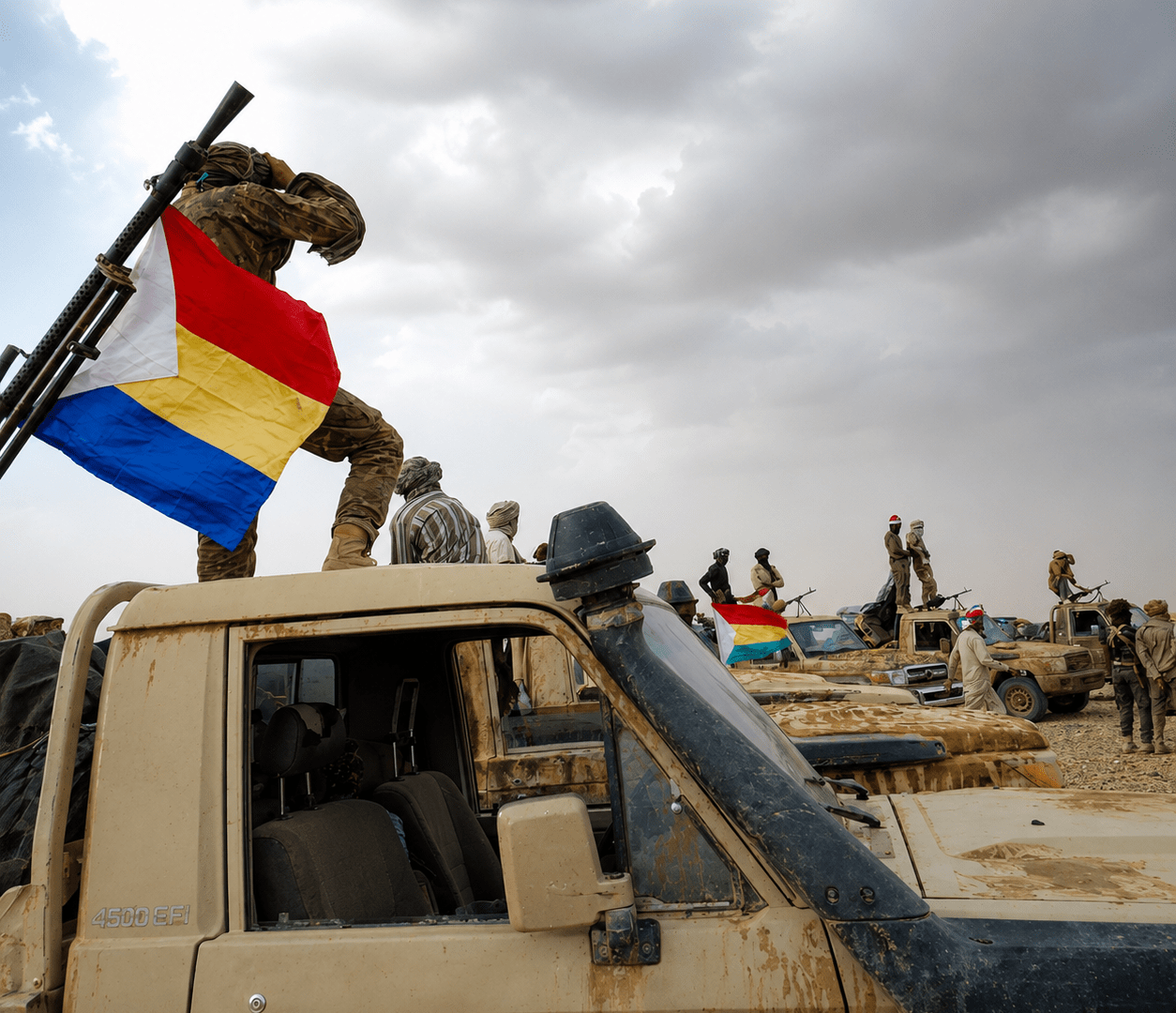
The Mali northern conflict has moved into a new phase after the Azawad Liberation Front and Jama’at Nusrat al-Islam wal-Muslimin began coordinating attacks, according to Al Jazeera. The April 25, 2026 offensive has put new pressure on Mali’s army and Russia’s Africa Corps, the Kremlin-backed force that replaced Wagner Group operations in the country, Al Jazeera reported.
Al Jazeera said the joint campaign has extended across areas including Kidal, Anefis, Tilemsi, Gao and Sevare. The fighting has included simultaneous assaults, ambushes, drone attacks and strikes on military convoys, with each side claiming major gains, according to the outlet.
Why is the Mali northern conflict escalating?
The escalation stems from battlefield cooperation between two groups with different aims, Al Jazeera reported. The FLA presents itself as a secular separatist movement seeking independence for Azawad, the name separatists use for northern Mali, while JNIM is an al-Qaeda-linked group that seeks to topple governments it regards as illegitimate and impose its interpretation of Islamic law.
Senior officials from both groups told Al Jazeera that they set aside ideological differences to fight a shared enemy. Bamako describes the relationship as a terrorist alliance and says it is trying to restore state authority, according to Al Jazeera.
The cooperation followed the collapse of the 2015 Algiers Peace Agreement, which was meant to end fighting between Mali’s government and northern armed groups through decentralisation and political representation, Al Jazeera reported. The deal repeatedly faltered, and military coups after 2020 changed Mali’s leadership and security approach, according to the outlet.
What the armed groups say
Colonel Mohamed Issa, a senior FLA officer, told Al Jazeera that the movement still seeks an independent Azawad and would accept talks only if they recognised Azawad’s right to separate. He described the coordination with JNIM as a battlefield arrangement rather than an ideological alliance.
Issa told Al Jazeera that the JNIM-linked fighters operating with the FLA were Azawadis, not members of JNIM’s broader regional network. He said they were motivated by the defence of their communities against Mali’s army and Russian forces, according to Al Jazeera.
A senior JNIM field commander identified by Al Jazeera as Suleiman said the group approved operational coordination after internal consultations. He said fighters on both sides largely came from “one people” in the same conflict, and he claimed the FLA had accepted Islamic legal arbitration by local religious scholars, a claim Al Jazeera said the FLA did not make.
How the fighting has changed
FLA officials told Al Jazeera that coordination with JNIM has allowed the groups to divide tasks and combine skills in attacks on bases and supply convoys. Al Jazeera reported that the conflict has grown more complex, with attacks in distant places at the same time, battles lasting several days and ambushes aimed at reinforcements.
Drones have taken a larger role in the war, used for surveillance and attacks on vehicles and military positions, according to Al Jazeera. Mali’s forces, backed by Russia’s Africa Corps, still rely heavily on air power, but Al Jazeera reported that months of fighting have not produced a decisive advantage for either side.
Funding and weapons remain central to the conflict, according to Al Jazeera. JNIM sources described financing through commercial networks, organised zakat collections and resources built up over years, while the FLA said it depends mainly on donations arranged by tribal leaders, traders and community associations.
Officials from both groups acknowledged to Al Jazeera that people linked to the movements take part in illicit economies, including Sahara trafficking, though the outlet said the extent of war financing from those activities is hard to verify. Al Jazeera also reported that weapons from Libya’s post-2011 collapse and equipment captured from Malian forces have helped arm the groups.
Al Jazeera reported that the war remains politically deadlocked: Mali’s government rejects any weakening of territorial integrity, the FLA insists on independence and JNIM seeks to overthrow the government. The outlet said the FLA-JNIM partnership may be fragile because it rests on a common enemy rather than a shared political project.
This story draws on original reporting from Al Jazeera.