
Liberian history on TikTok draws new attention to a fragile oral past
Young Liberians are using TikTok, podcasts and archives to protect history disrupted by war, migration and limited access to records.
By Lucas Ferreira · Science & Environment Writer
3 min read
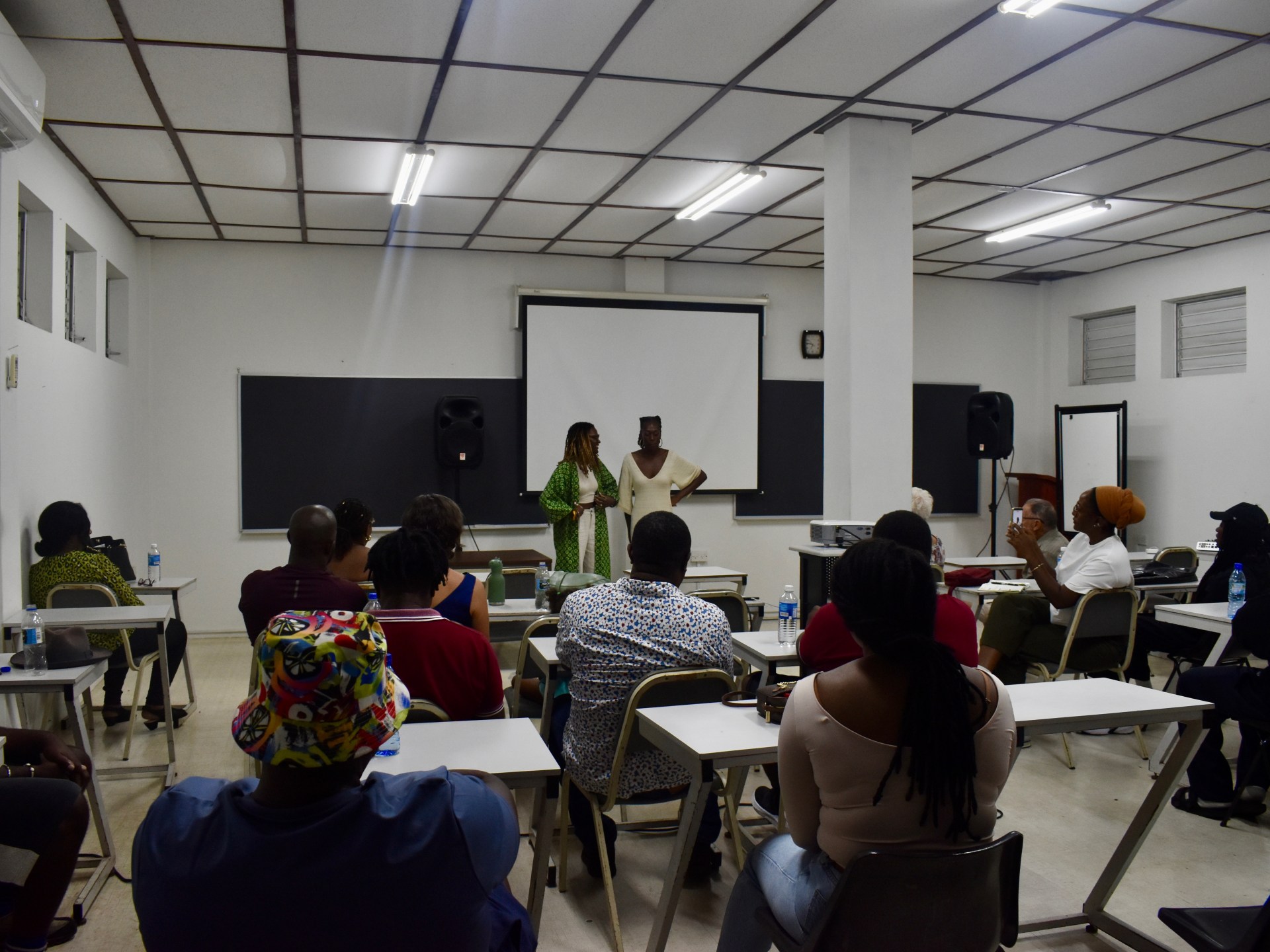
Liberian history on TikTok, Facebook, YouTube and podcasts is reaching new audiences as young Liberians record cultural traditions, family memories and political history, Al Jazeera reported. The work carries urgency because Liberia’s civil wars, migration and urban growth have weakened the older systems that kept oral history alive.
For generations, elders served as the main keepers of community memory in Liberia, passing down family histories and cultural knowledge through gatherings and ceremonies. Al Jazeera reported that Liberia did not have the formal griot tradition found in parts of the Sahel, but elders performed a similar role in many communities.
One of the people leading the digital turn is Bilphena Decontee Yahwon, founder of Archive Liberia, a project focused on memory, political education, research and public storytelling. Yahwon told Al Jazeera that her work began with an effort to understand her own life, including war and migration, and expanded into a broader effort to examine Liberia’s past before and after the 1800s.
How are Liberians preserving history on TikTok?
Young Liberians are using short videos, historical photos, podcasts, public screenings and online archives to share material that once moved mainly through in-person storytelling, according to Al Jazeera. A palava hut, in this context, refers to the older community gathering space where stories and knowledge were exchanged; digital platforms now serve some of that function for people spread across cities and the diaspora.
Zuleka Dauda, chief programme officer at the Liberian-owned Center for Integrated Solutions, told Al Jazeera that the shift should be seen as a change in format rather than the disappearance of culture. She said young people are still learning and sharing Liberian culture, but are doing it through the platforms they already use.
The disruption behind the preservation push is tied closely to Liberia’s two civil wars from 1989 to 2003. Al Jazeera reported that the wars killed an estimated 250,000 people, displaced hundreds of thousands more and interrupted the passing of history, culture and family memory between generations.
Patrick Burrowes, a Liberian historian and author, told Al Jazeera that elders had carried historical and cultural knowledge for centuries, even without the formal training systems associated with griots elsewhere in West Africa. He said the wars broke that chain and contributed to a decline in accurate transmission of cultural and historical knowledge.
Urbanization has added another challenge. A 2022 report by the Liberia Institute for Statistics and Geo-Information Services found that internal migrants make up 46.7 percent of the urban population, compared with 13.6 percent of the rural population, meaning many young people no longer live in the communities where oral histories were traditionally shared.
What risks come with putting history online?
Digital storytelling has widened access, but it has also made accuracy harder to protect. Burrowes told Al Jazeera that traditional systems included correction by elders, while social media allows people to post unvetted claims as they build followings and influence.
Access to the internet remains limited. World Bank figures cited by Al Jazeera show that just over one in three Liberians uses the internet, while government figures estimate literacy among Liberians aged 15 and older at 58.6 percent.
Yahwon told Al Jazeera that accuracy is only part of the issue, because Liberia’s history has often been framed through accounts she views as lacking anti-colonial and anti-imperialist perspectives. The Liberia Tourism Authority says it is working with historians, cultural institutions and content creators to expand access to historical resources and support more accurate storytelling.
Dauda told Al Jazeera that young Liberians should be encouraged to tell stronger stories rather than pushed away from online platforms. For the people building these projects, the central task is to preserve Liberia’s past in forms that the next generation can find, question and carry forward.
This story draws on original reporting from Al Jazeera.